

122 result(s) for “Ministre de l'Hydraulique, de l'Assainissement et de la Salubrité”
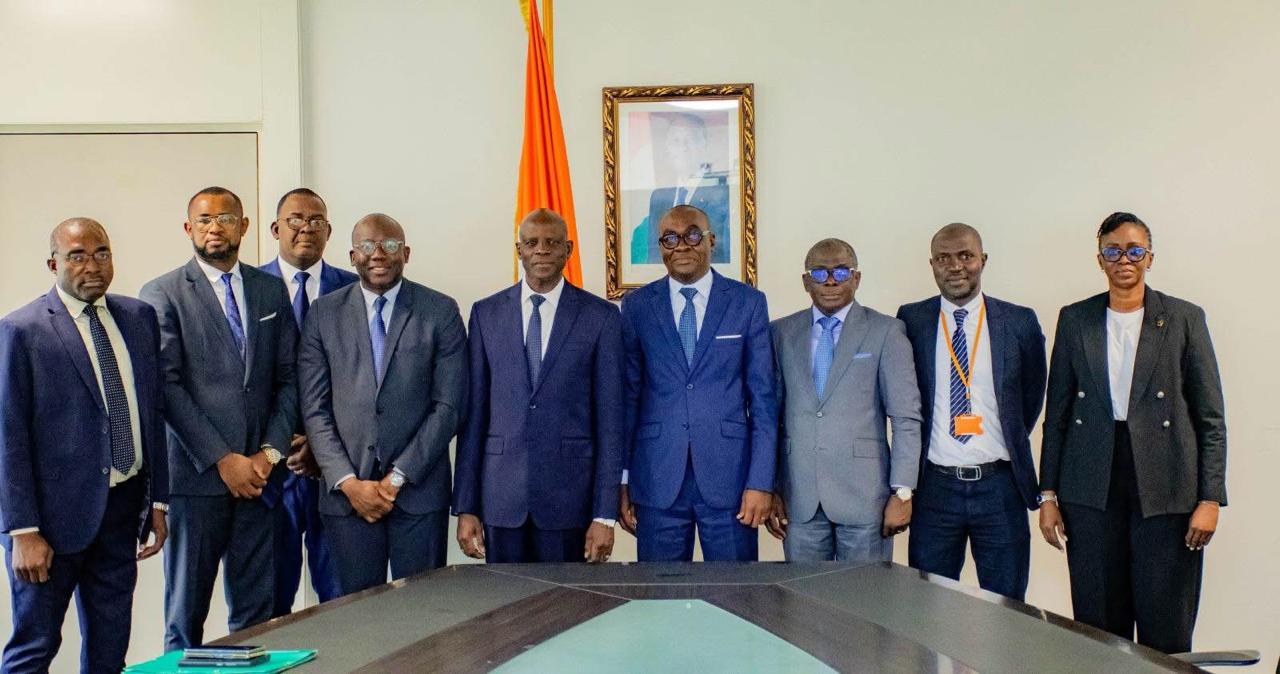
A delegation from the Institut National Polytechnique Félix Houphouët-Boigny (INP-HB) led by its Secretary General, Dr Palé Sié, and the Director General of the Digital Farming School, Dr Louis Koko, was recently received at the Office of Professor Adama Diawara, Minister of Higher Education and Scientific Research. On...
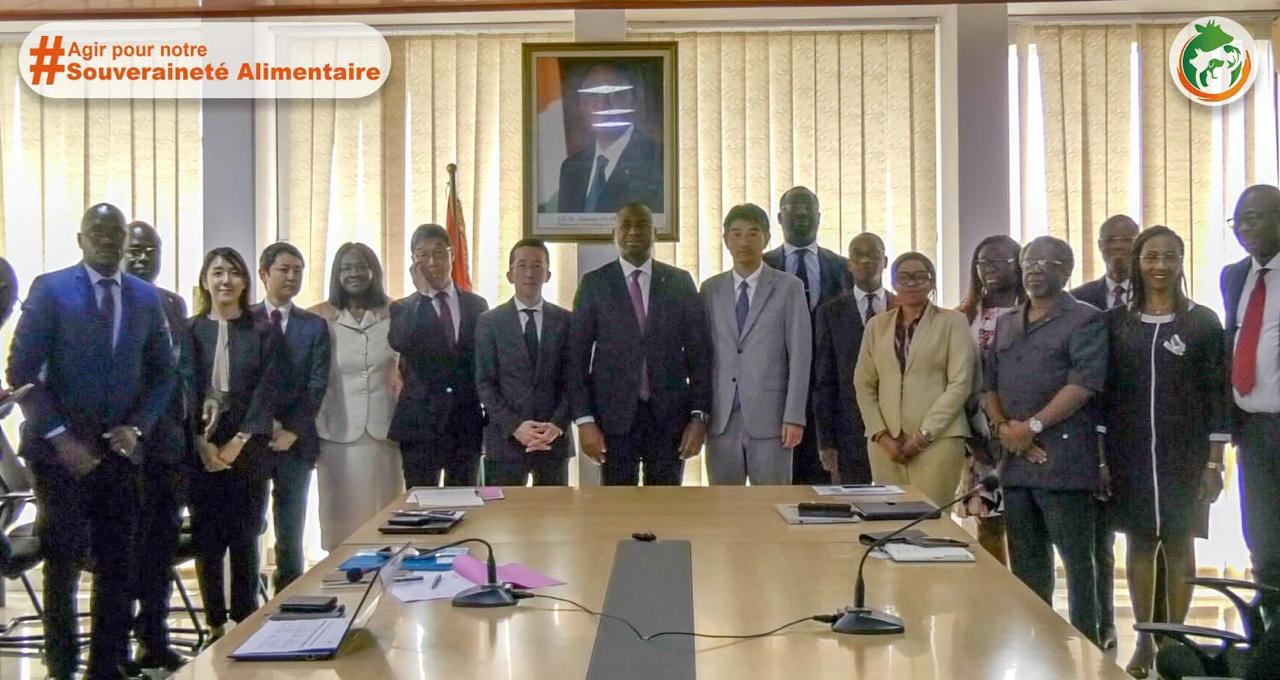
Ivory Coast and Japan are strengthening ties around a strategic project to reform the aquaculture sector, led by Minister Sidi Tiémoko Touré and a delegation from the Japanese International Cooperation Agency (JICA) who came to prepare large-scale financial support.
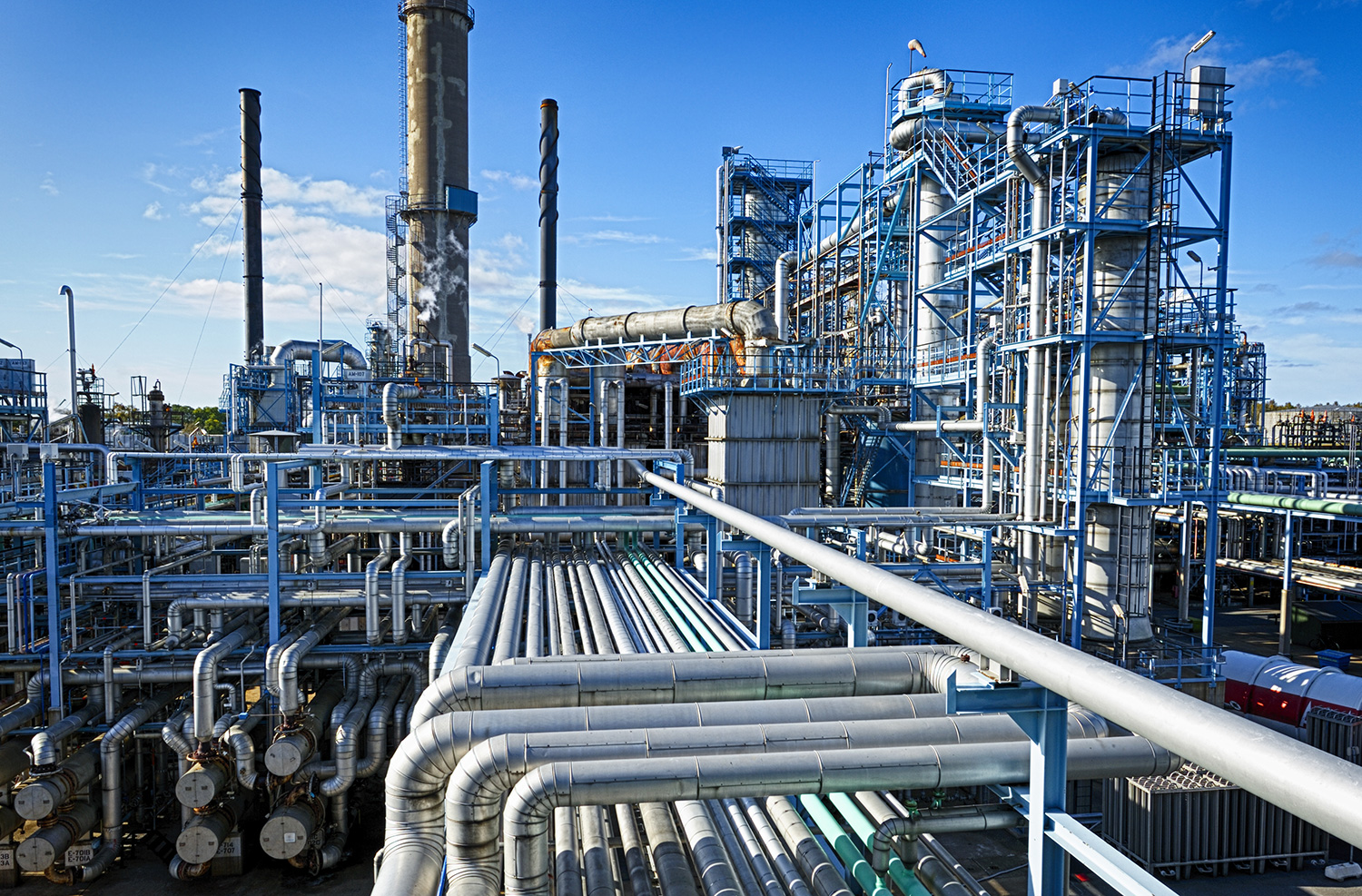
The government, through the Minister of Mines, Oil and Energy, Mamadou Sangafowa Coulibaly, confirms the construction of a second refinery in San Pedro, a titanic project which should triple the national refining capacity before 2040 and propel the country to the rank of West African energy hub. It was in Yamoussoukro...
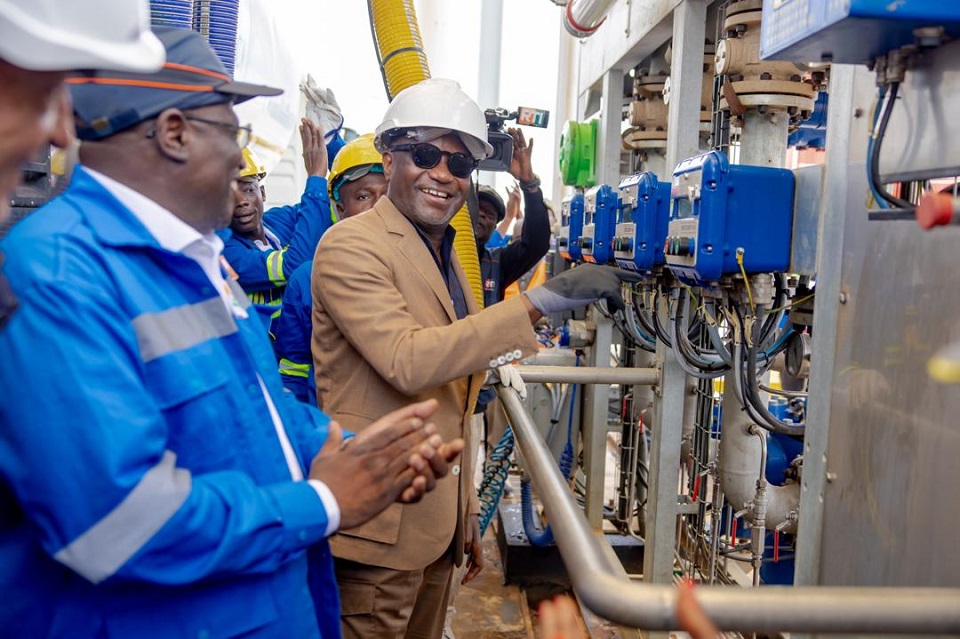
The Minister of Mines, Oil and Energy, Mamadou Sangafowa Coulibaly, commissioned the R14 tank with 20,000 m³ of diesel and the first Ivorian loading station for GESTOCI tank trucks, on July 24, 2026. This double infrastructure brings the total capacity of the depot to 100,700 m³.
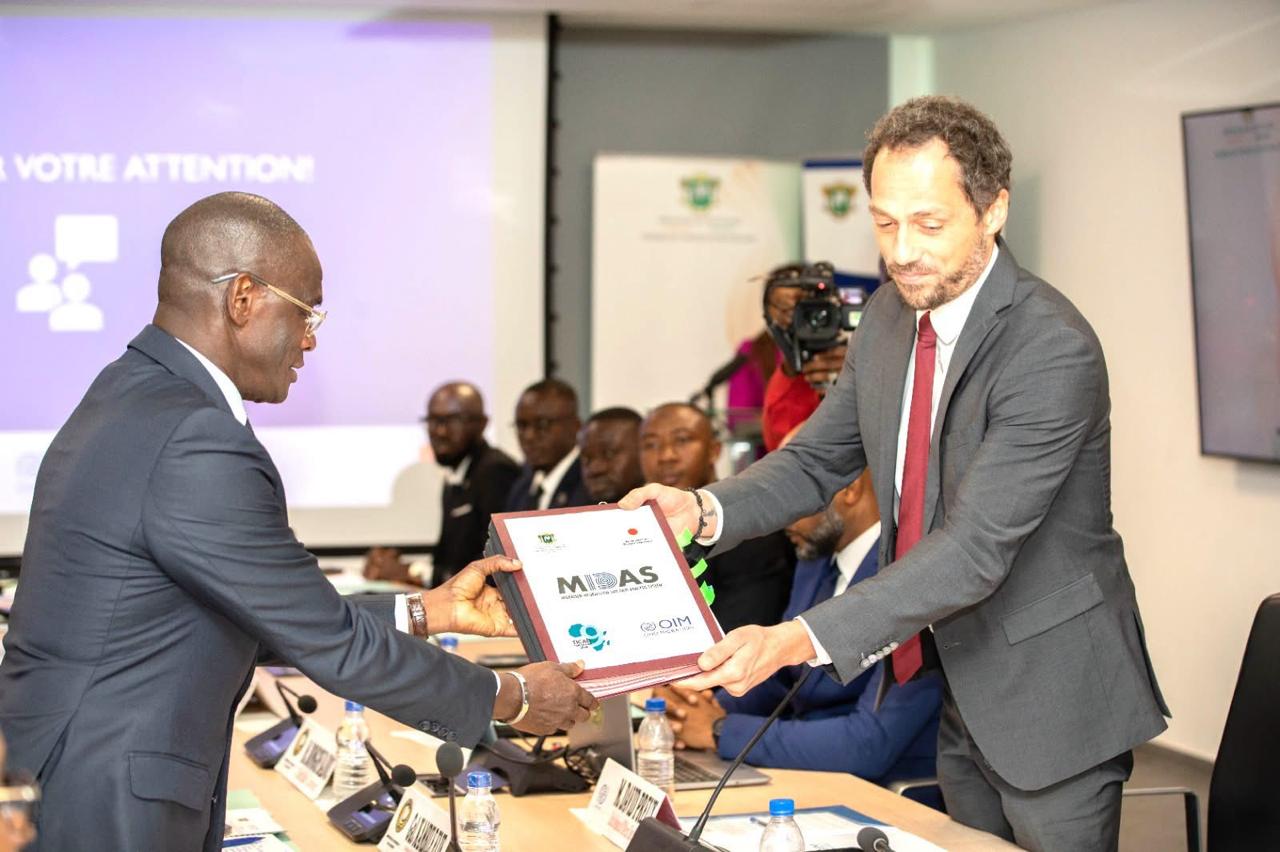
The Minister of Interior and Security, Vagondo Diomandé, launched a project in early July intended to strengthen border management and community resilience in northern Côte d'Ivoire. Funded by Japan and implemented by the International Organization for Migration (IOM), the initiative particularly targets border areas e...
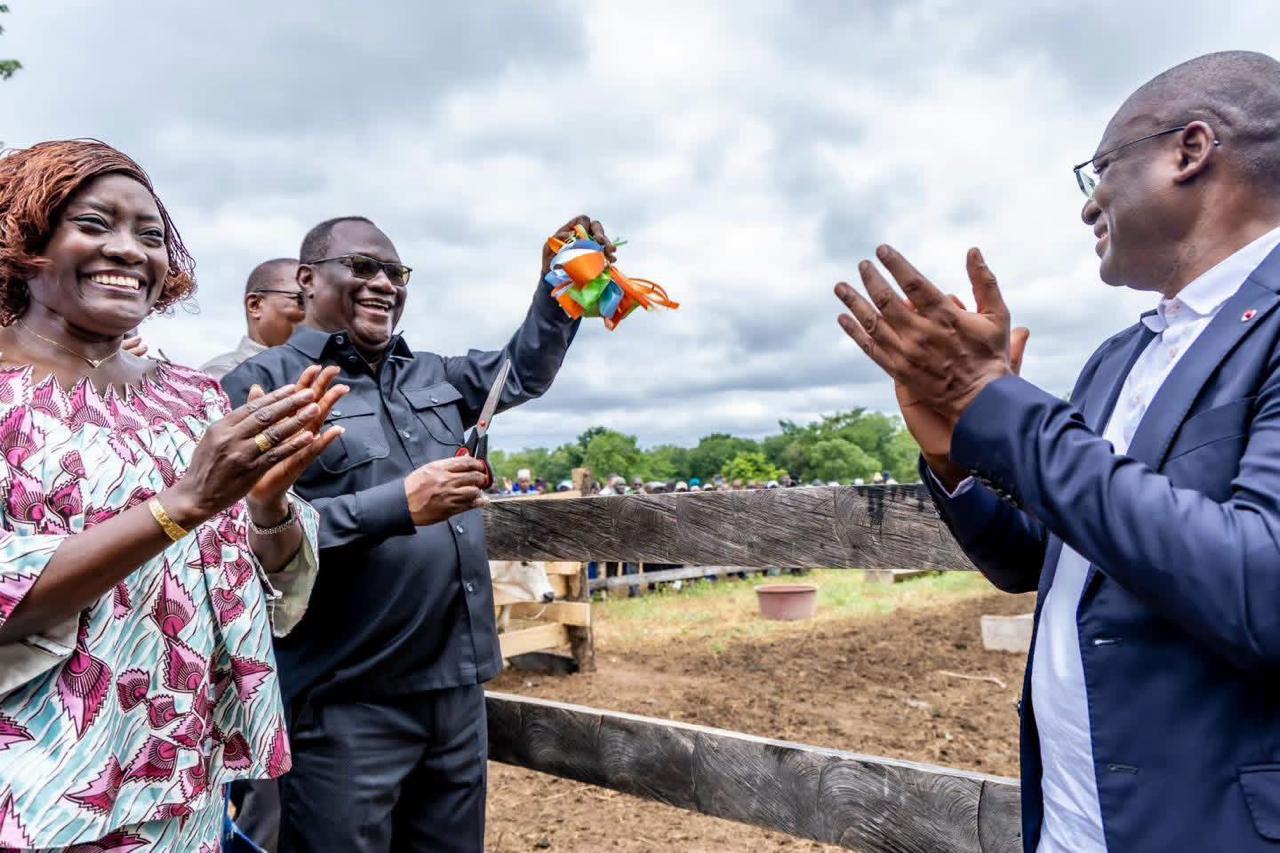
The Deputy Prime Minister, Téné Birahima Ouattara, inaugurated at the beginning of July the Panya Cattle Breeding Application and Specialization Center, located in Boundiali, in the north of the country. This infrastructure is part of the government strategy aimed at establishing livestock farming as a pillar of nation...
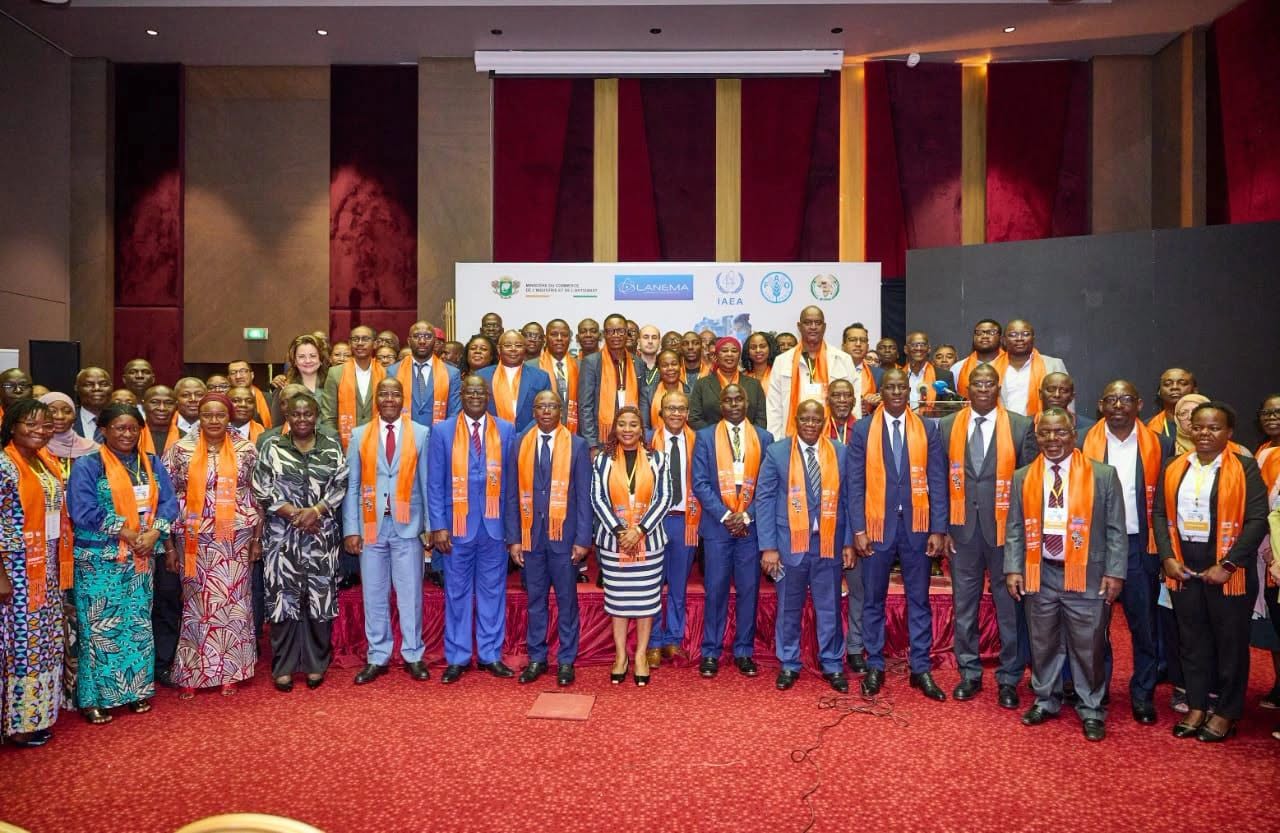
The Ivorian economic capital recently hosted the 4th edition of the African Workshop of the International Atomic Energy Agency dedicated to food safety. Organized by the National Laboratory for Testing, Metrology and Analysis (LANEMA), under the supervision of the Ministry of Commerce, Industry and Crafts, the meeting...
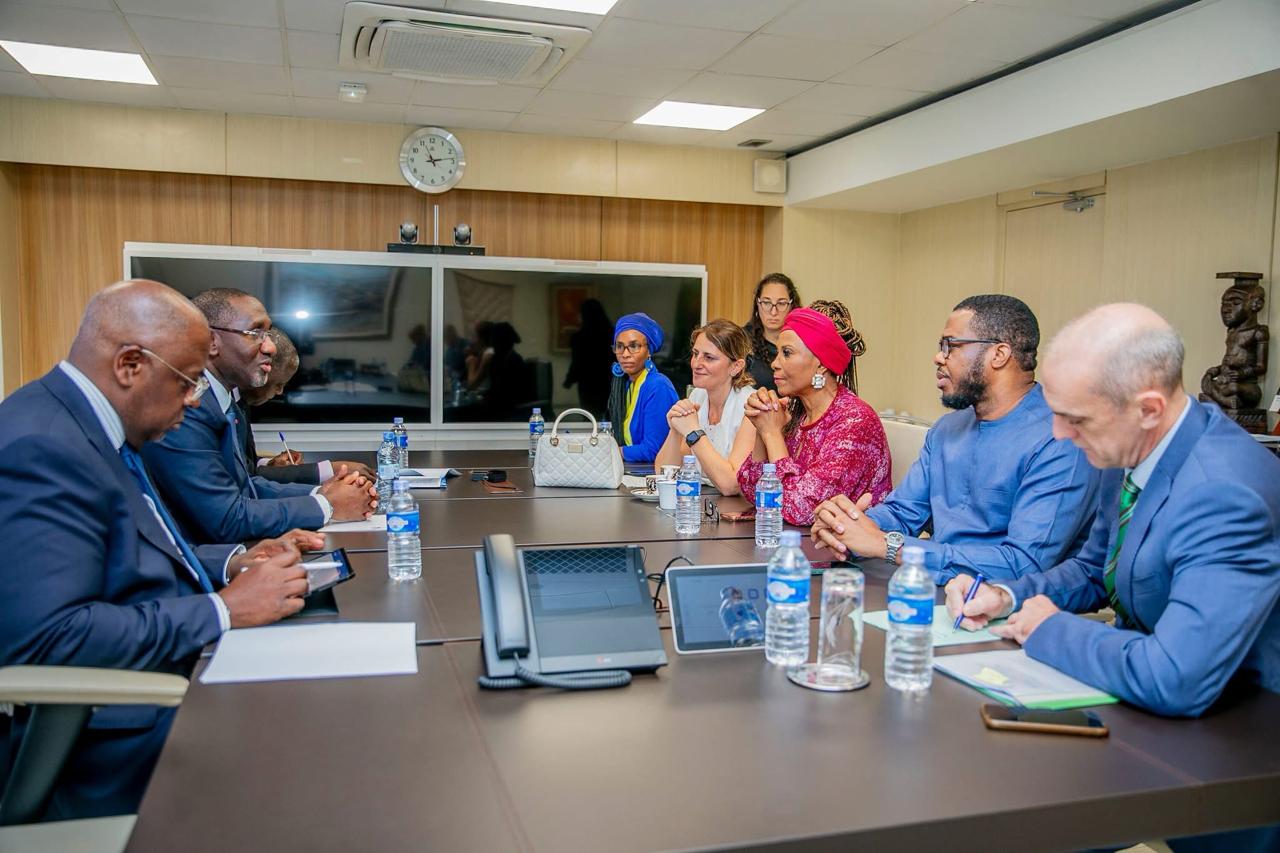
The Minister of Planning and Development, Dr Souleymane Diarrassouba, recently received Ahunna Eziakonwa, Under-Secretary-General of the United Nations and Director of the UNDP Regional Office for Africa on the sidelines of the 2026 African Economic Conference. This meeting sealed a convergence of views on new levers f...
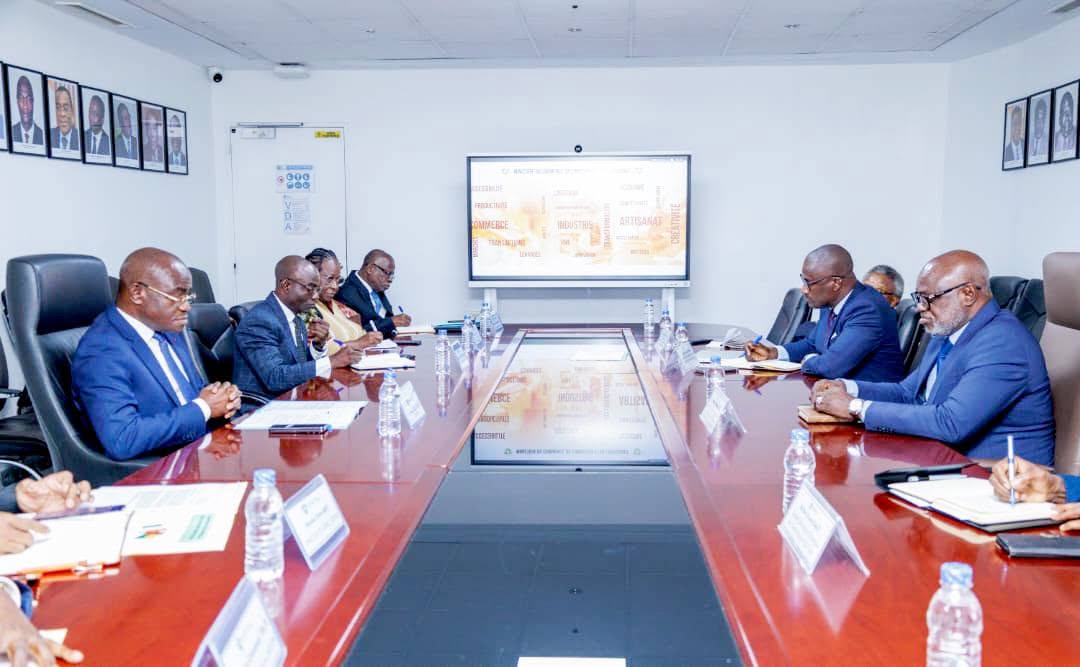
Local processing of cashew nuts is gradually establishing itself as a lever for industrialization in West Africa. By drawing inspiration from the Ivorian experience, Guinea Bissau is displaying its ambition to create more added value around the cashew nut, a crop which constitutes the pillar of its economy.
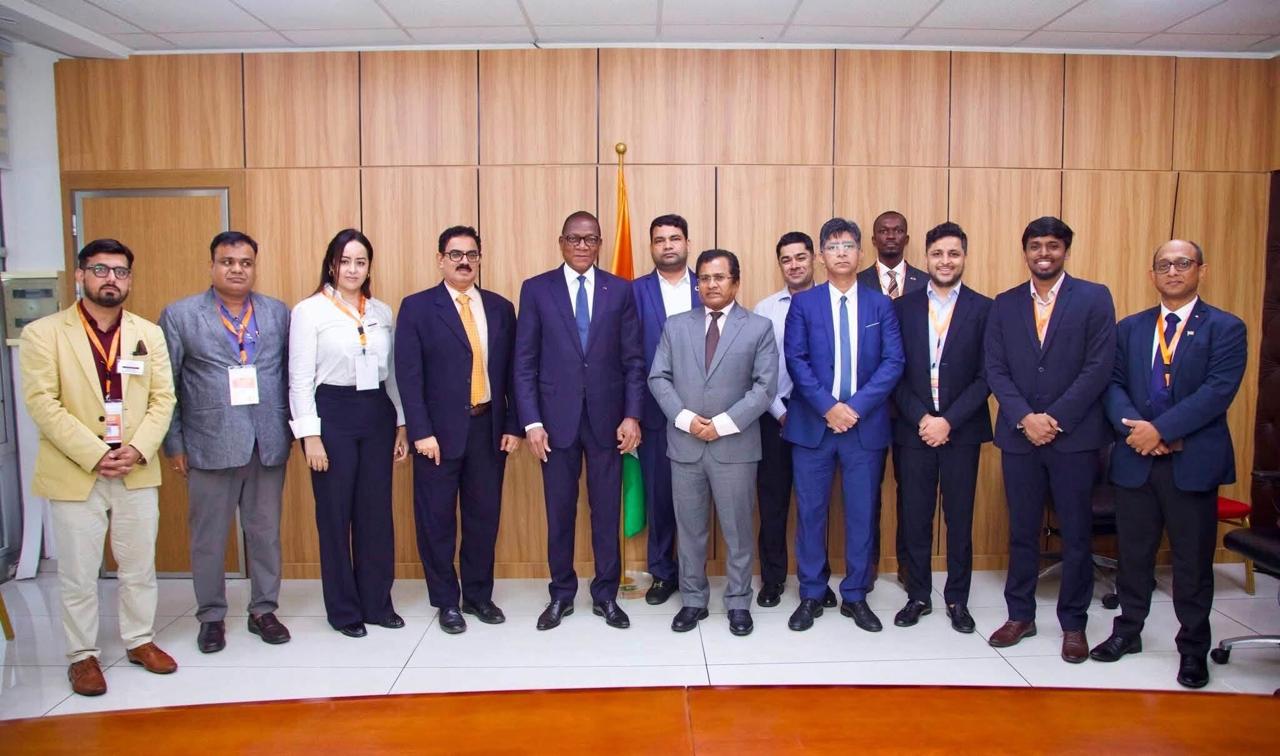
Minister Bruno Nabagné Koné recently received a delegation from the Confederation of Indian Industry. After Western partners, it is India's turn to position itself on Ivorian agriculture, with a strong promise, to build tractors directly in Abidjan.
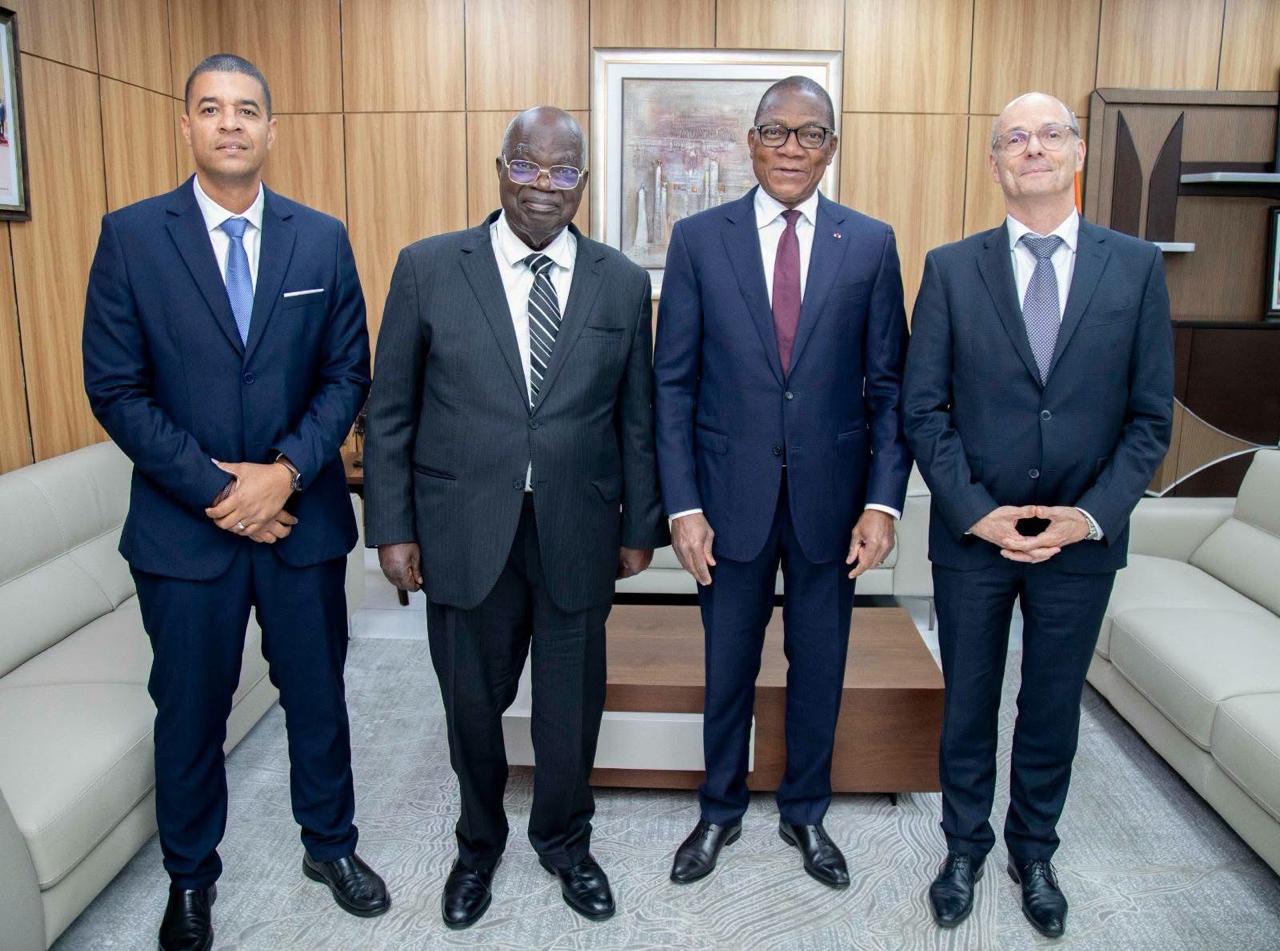
Ivorian sugar is about to enter a new industrial era. The Minister of Agriculture, Rural Development and Food Production, Bruno Nabagné Koné, received Olivier Parent, CEO of the SOMDIA Group, who came to present an ambitious contract plan for his subsidiary SUCAF-CI, promising a massive investment of 100 billion CFA fr...
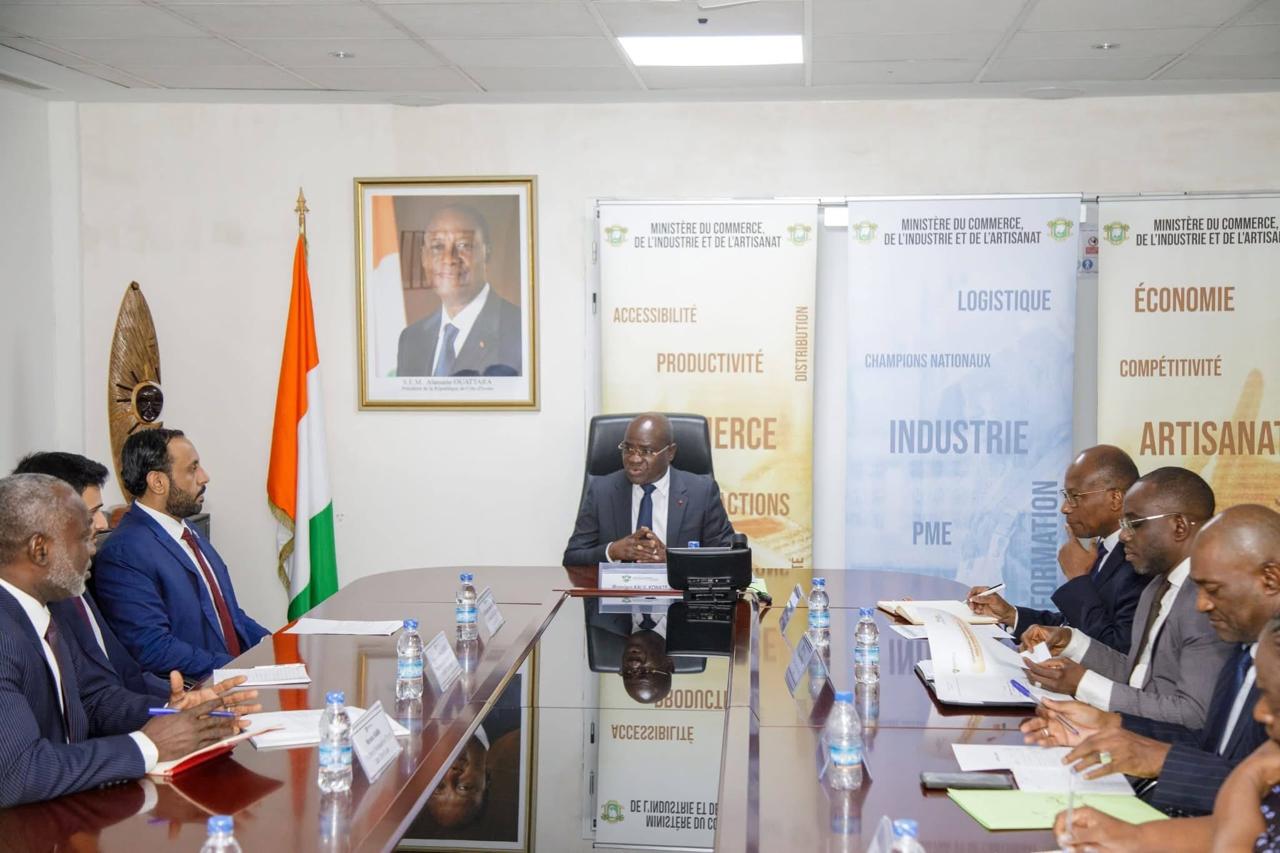
In less than four months, Abidjan will become the business capital between Qatar and Africa. The city will host the 5th edition of the Qatar-Africa Business Forum, scheduled for November 2 and 3, 2026. An edition which will mobilize 95 Qatari companies, more than 300 economic players and major international institution...
 English
 Français