 English
 Français

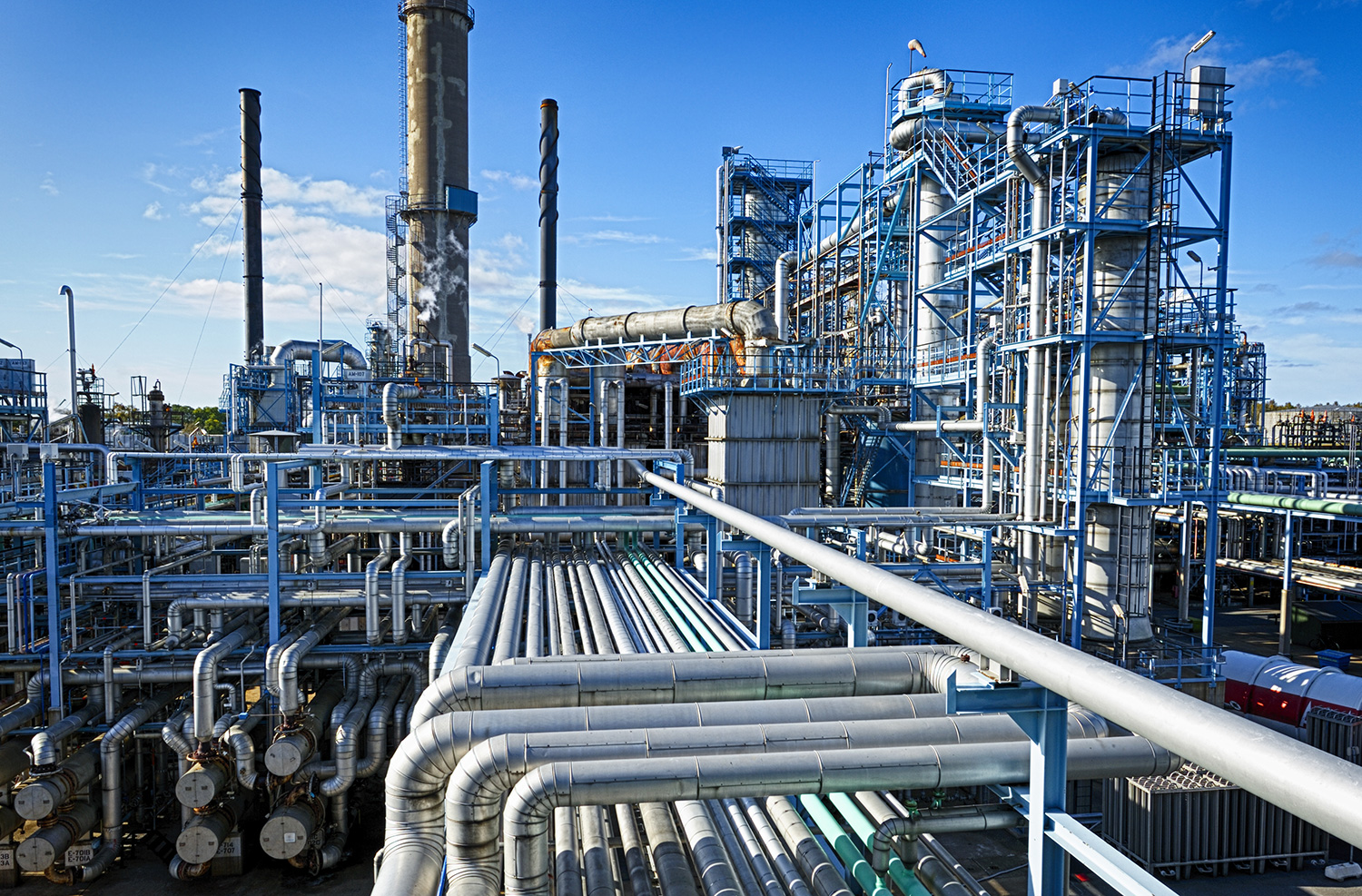
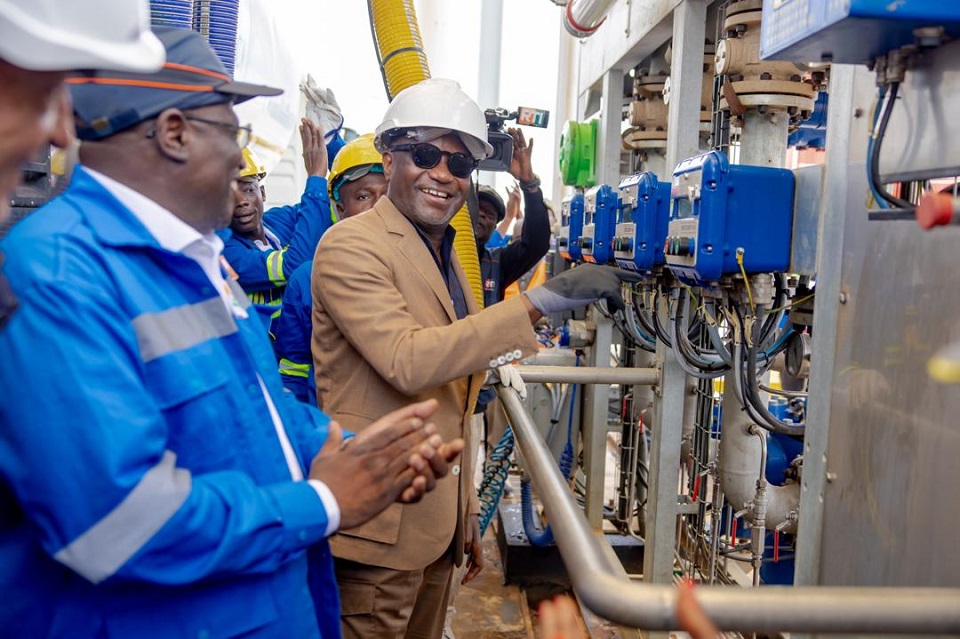
C'est à Yamoussoukro, le 24 juillet 2026, que le Ministre des Mines, du Pétrole et de l'Énergie, Mamadou Sangafowa Coulibaly, a levé le voile sur ce projet structurant, dévoilant les contours d'une politique énergétique tournée vers l'autonomie et l'exportation. Un chiffre suffit à mesurer l'ambition du projet, 170 000 barils par jour. C'est la capacité de traitement annoncée pour la future raffinerie de San Pedro, supérieure à celle de la Société ivoirienne de raffinage (SIR), l'unique raffinerie du pays basée à Vridi. Le choix de San Pedro, deuxième ville portuaire du pays, ne doit rien au hasard. Sa position sur la façade atlantique offre un accès direct pour importer le brut et exporter les produits raffinés, tout en ouvrant une porte logistique vers l'ouest ivoirien, la Guinée et le Mali. Le site permet surtout de libérer un tant soit peu Abidjan, où le foncier industriel se raréfie, en créant un deuxième pôle énergétique national capable de soulager les infrastructures actuelles de la capitale économique.
La Société de gestion des stocks pétroliers de Côte d'Ivoire (GESTOCI) va accompagner ce mouvement avec la construction d'un dépôt de 40 000 mètres cubes à San Pedro, renforçant le maillage logistique régional aux côtés de nouvelles installations prévues à Odienné et Ferkessédougou. Cette annonce s'inscrit dans un chantier bien plus vaste, celui de la Politique intégrée des ressources minérales et de l'énergie (PIRME), un programme évalué à 38 000 milliards de F CFA, financé à 88% par le secteur privé. L'objectif étant de transformer localement le brut extrait des gisements Baleine et Calao, plutôt que de l'exporter à l'état brut pour ensuite importer des produits raffinés, une stratégie coûteuse que le pays entend abandonner.
À terme, le Gouvernement vise 2030 pour devenir exportateur net de produits pétroliers, avec cette seconde raffinerie comme pièce maîtresse d'une souveraineté énergétique retrouvée et d'un rayonnement régional accumulé.