 English
 Français


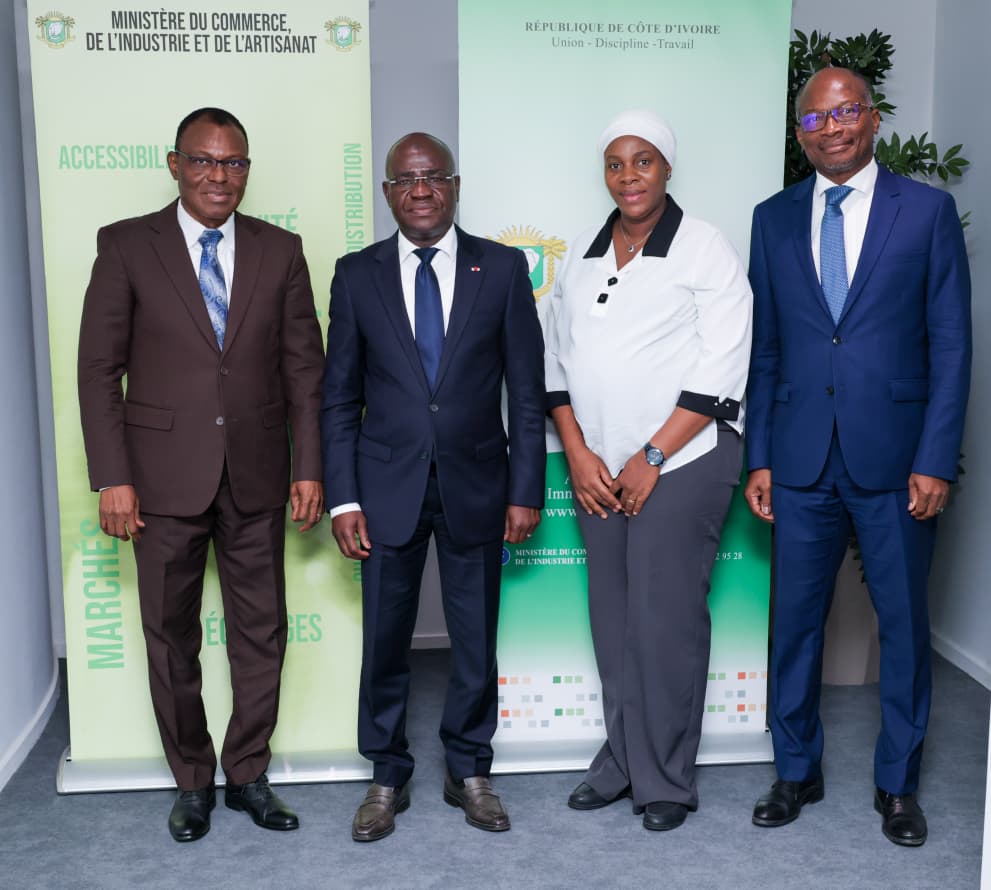
Le renforcement de la transformation locale de la noix de cajou s'impose comme l'un des axes de la coopération économique entre la Côte d'Ivoire et la Guinée Bissau. Le 15 juillet 2026, à Abidjan, le Ministre ivoirien du Commerce, de l'Industrie et de l'Artisanat, Ibrahim Kalil Konaté, a reçu son homologue bissau guinéen, Jaimentino Có, venu s'inspirer de l'expérience ivoirienne dans le développement de la filière anacarde. Les deux responsables ont convenu de mettre en place une commission technique chargée de définir les modalités d'une coopération qui devrait aboutir à l'installation d'une commission mixte entre les deux pays. Au cours des échanges, le Ministre Kalil Konaté a présenté les réformes engagées depuis plusieurs années pour développer la transformation locale de l'anacarde. Il a réaffirmé la disponibilité du gouvernement à partager son expertise afin d'accompagner la Guinée Bissau dans le renforcement de sa chaîne de valeur. Son homologue a, pour sa part, indiqué que son pays entend s'appuyer sur les bonnes pratiques ivoiriennes pour accélérer l'industrialisation de cette filière.
La transformation locale au cœur du modèle ivoirien
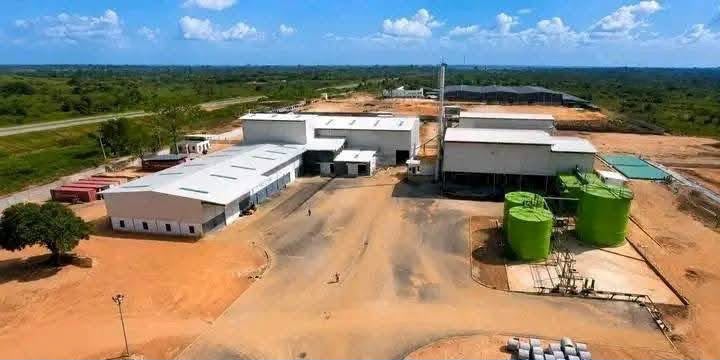
La Côte d'Ivoire occupe depuis plusieurs années le premier rang mondial des producteurs de noix de cajou. Selon le Conseil du Coton et de l'Anacarde, la production nationale dépasse régulièrement 1,2 million de tonnes, soit près de 40 % de l'offre mondiale. Longtemps exportée sous forme brute, cette production fait désormais l'objet d'une politique de transformation locale soutenue par des investissements industriels, un cadre réglementaire renforcé et des mesures d'incitation destinées aux opérateurs. Les données du Conseil du Coton, Anacarde, Karité indiquent que plus de 350 000 tonnes de noix sont aujourd'hui transformées chaque année sur le territoire ivoirien, contre moins de 100 000 tonnes il y a une dizaine d'années. Cette évolution a favorisé la création de plusieurs dizaines de milliers d'emplois, principalement dans les régions de production, et contribue à accroître la valeur ajoutée générée par la filière.
Une coopération porteuse pour les filières agricoles
Pour la Guinée Bissau, où la noix de cajou représente entre 85 et 95 % des recettes d'exportation selon la Banque mondiale et la FAO, le développement de la transformation locale constitue un enjeu économique majeur. Le pays exporte encore l'essentiel de sa récolte sous forme brute, limitant ainsi les revenus tirés de cette production. La coopération engagée avec la Côte d'Ivoire pourrait permettre le partage d'expertise en matière de gouvernance de la filière, de formation des acteurs, d'installation d'unités industrielles et d'amélioration des chaînes de valeur.
Cette initiative s'inscrit également dans la dynamique de coopération Sud Sud encouragée sur le continent africain, où le transfert de compétences entre pays producteurs est présenté comme un levier de création d'emplois, de diversification industrielle et de renforcement du commerce régional, en cohérence avec les objectifs de la Zone de libre échange continentale africaine.