 English
 Français

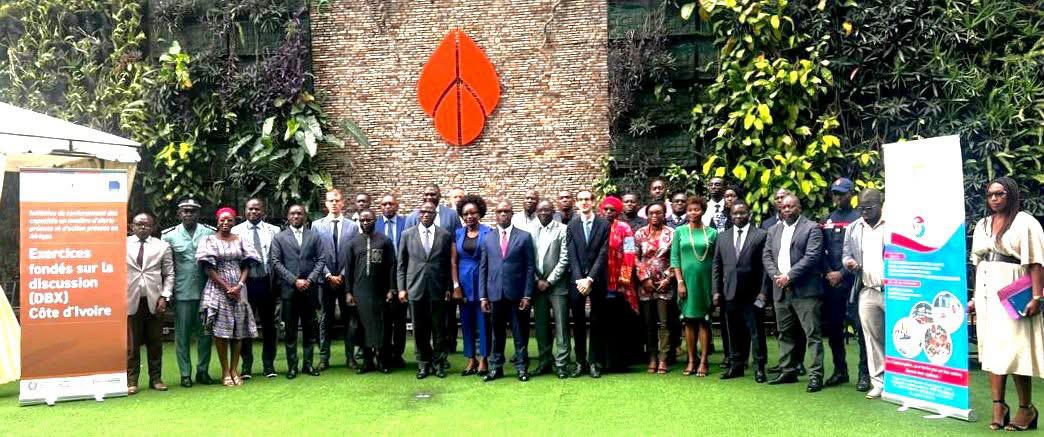
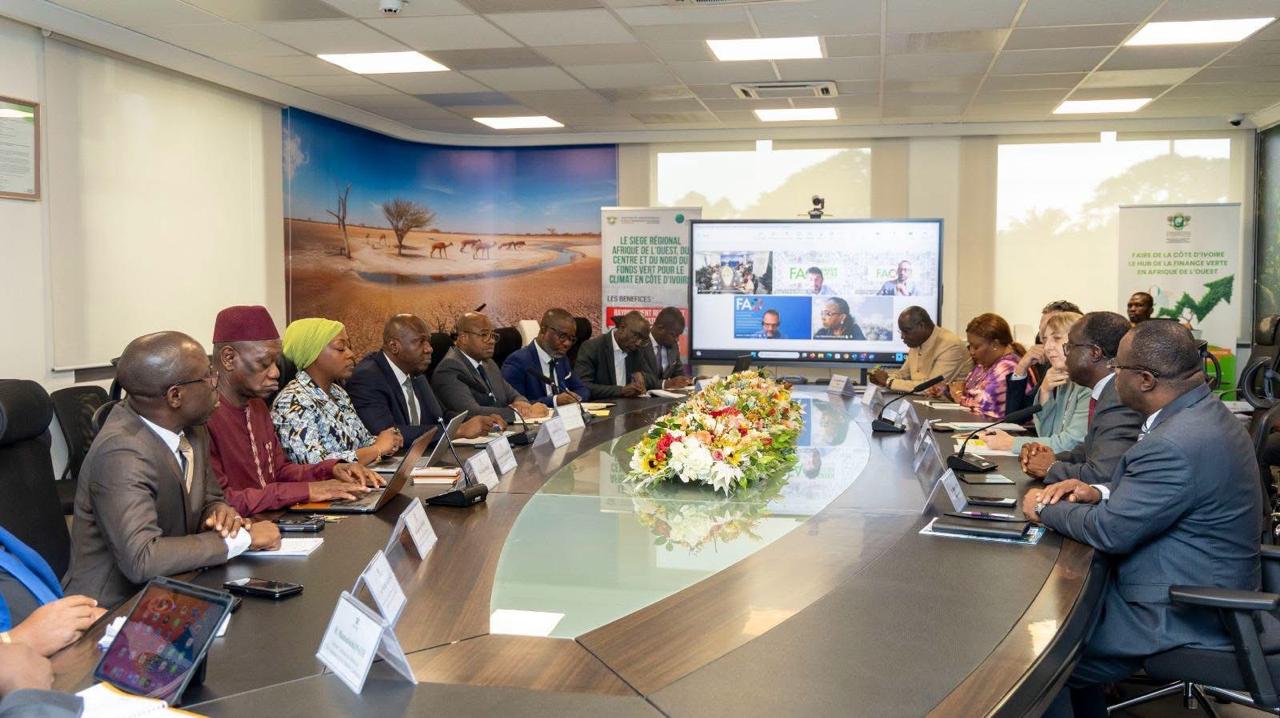
For two days, the situation room did not experience the usual silence of theoretical exercises. Researchers, technicians and institutional managers worked on a concrete case, namely how to transform a climate alert into an operational decision, before the disaster strikes. The exercise, organized by the Executive Secretariat of the National Platform for Risk Reduction and Disaster Management (SE/PN-RRC), is part of the initiative to strengthen early warning and early action capacities in Africa. This program is funded by the United Nations Office for Disaster Risk Reduction (UNDRR), with support from the African Union (AU) Commission, the CIMA Foundation and Italian Cooperation.
Choose as a pilot country alongside Angola and Zambia, Côte d'Ivoire aims to further integrate AMHEWAS products into its national early warning system. The work was mainly focused on Africa Drought Watch, a continental drought forecasting and monitoring tool, the optimized use of which could strengthen the responsiveness of authorities to drought episodes. This system is based on the AMHEWAS institutional framework, adopted by the African Union in February 2022 to structure multi-risk early warning on the continent. By relying on this technical cooperation, Abidjan is laying an additional brick in its climate resilience strategy.
Note that participants included Mashauri Muliro, Head of the UNDRR Office for West Africa, Alain Koualao of the AU Commission, as well as representatives of the CIMA Foundation and Ivorian risk management institutions.