 English
 Français
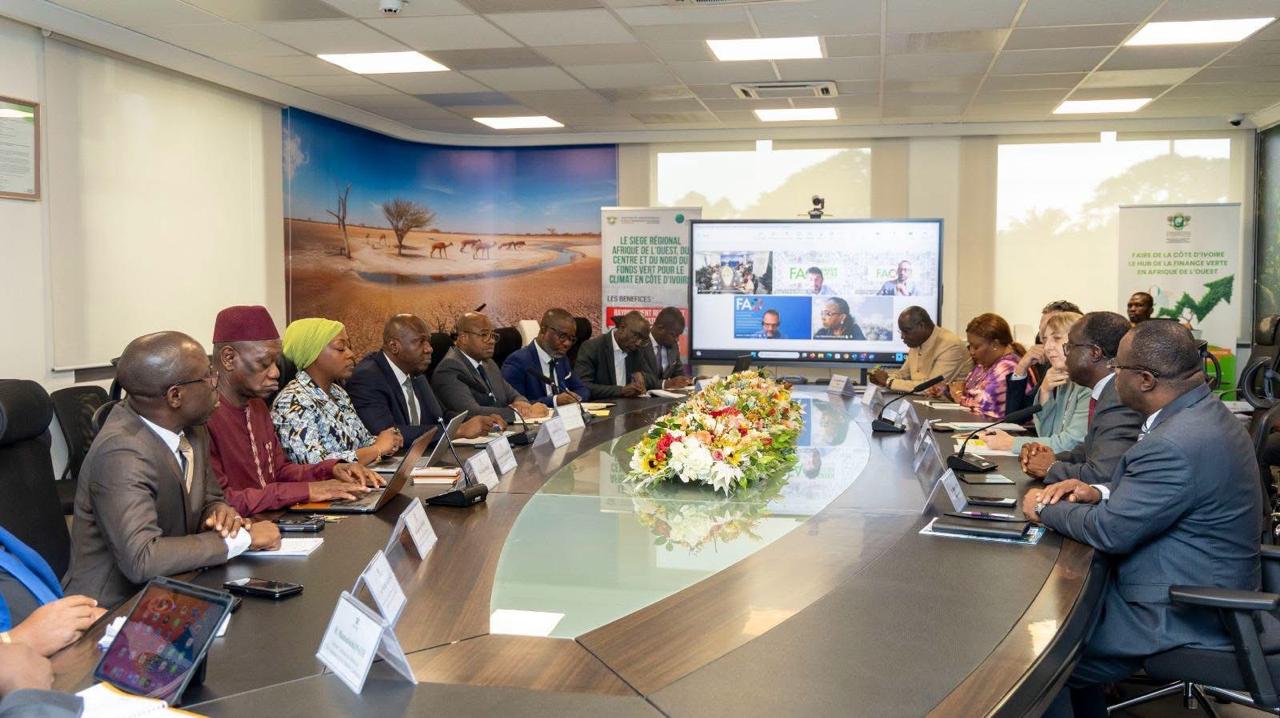
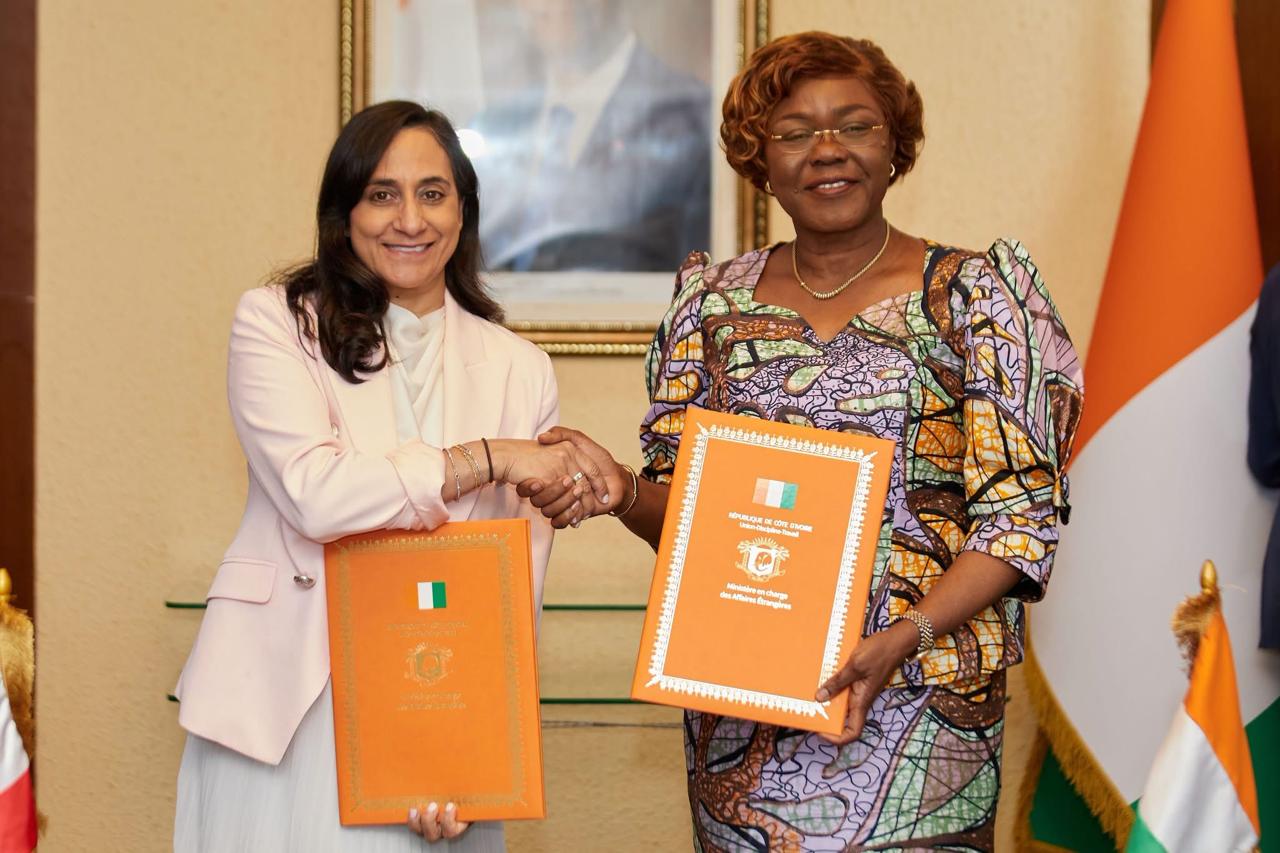
Côte d'Ivoire is continuing its ecological transition strategy by focusing on partnerships capable of supporting its ambitions for sustainable urban development. On Friday June 26, 2026, the Minister of the Environment and Ecological Transition, Abou Bamba, received in Abidjan a joint delegation from the Food and Agriculture Organization of the United Nations (FAO) and Italy, led by the Italian Ambassador to Côte d'Ivoire, Roberta Di Lecce. The discussions focused on the “Green Cities in Action for Africa” project, an initiative which supports several African countries (Algeria, Uganda, Kenya, Mozambique...) in the preparation of investment projects intended to strengthen the climate resilience of cities, while facilitating their access to international financing.
For Côte d'Ivoire, this cooperation is of strategic interest. Beyond the environmental actions announced, it aims to improve the capacity of national institutions to develop projects meeting the technical requirements of international donors. According to the World Bank, the financing needs linked to adaptation to climate change in developing countries amount to several hundred billion dollars per year, while the resources actually mobilized remain largely insufficient. In this context, having technically sound projects constitutes a decisive advantage for accessing climate financing mechanisms.
A partnership to strengthen the attractiveness of Ivorian cities
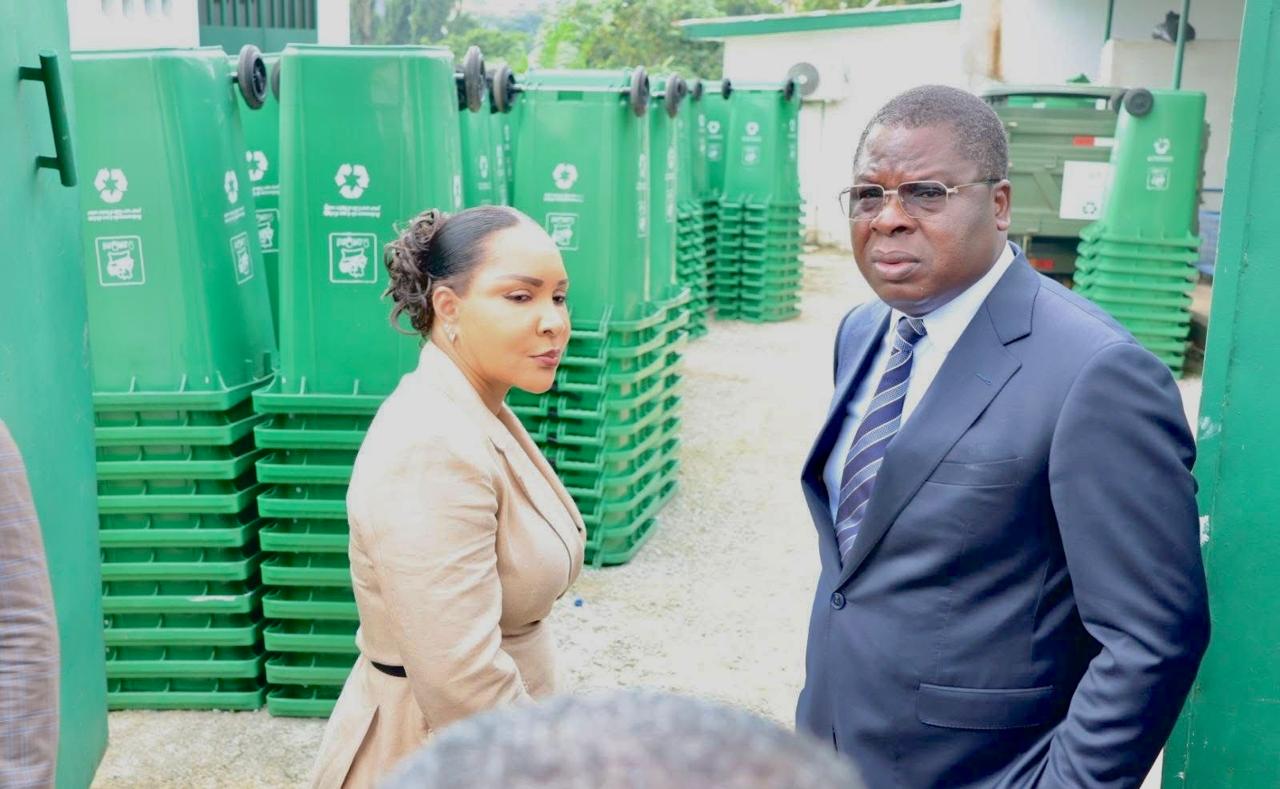
Implemented by the FAO with the support of the Italian Ministry of Foreign Affairs and International Cooperation, the project targets five African countries, including Ivory Coast. At the national level, it will mainly support Abidjan and Bouaké in the implementation of initiatives relating to urban forestry, the development of green spaces, urban agriculture, sustainable food systems and the valorization of organic waste. These investments respond to economic as well as environmental issues. Green infrastructure helps limit flood risks, improve quality of life and reduce certain costs linked to the effects of climate change. According to UN Habitat, nature-based solutions also strengthen the attractiveness of cities for investors while promoting the creation of activities in the sectors of urban planning, sustainable agriculture, waste management and environmental services.
The choice of Abidjan and Bouaké is explained by their economic and demographic weight. According to the United Nations, more than 57% of Ivorians now live in urban areas, a proportion expected to exceed two-thirds of the population by the middle of the century. This rapid urbanization increases the need for resilient infrastructure, sustainable mobility and natural resource management. One of the main contributions of the project also lies in the potential access to the Italian Climate Fund. Created by Italy to support climate investments in partner countries, this mechanism finances projects reconciling economic development, adaptation to climate change and reduction of greenhouse gas emissions. For Côte d'Ivoire, this cooperation could thus open up new financing prospects for urban infrastructure with high added value.
Beyond its environmental dimension, this partnership illustrates an evolution of Ivorian public policies, where the ecological transition is gradually becoming a lever for economic competitiveness. By strengthening its expertise in the preparation of bankable projects and mobilizing leading technical and financial partners, Côte d'Ivoire is consolidating its positioning in the green investment market, which has become one of the most dynamic segments of international development financing.