 English
 Français
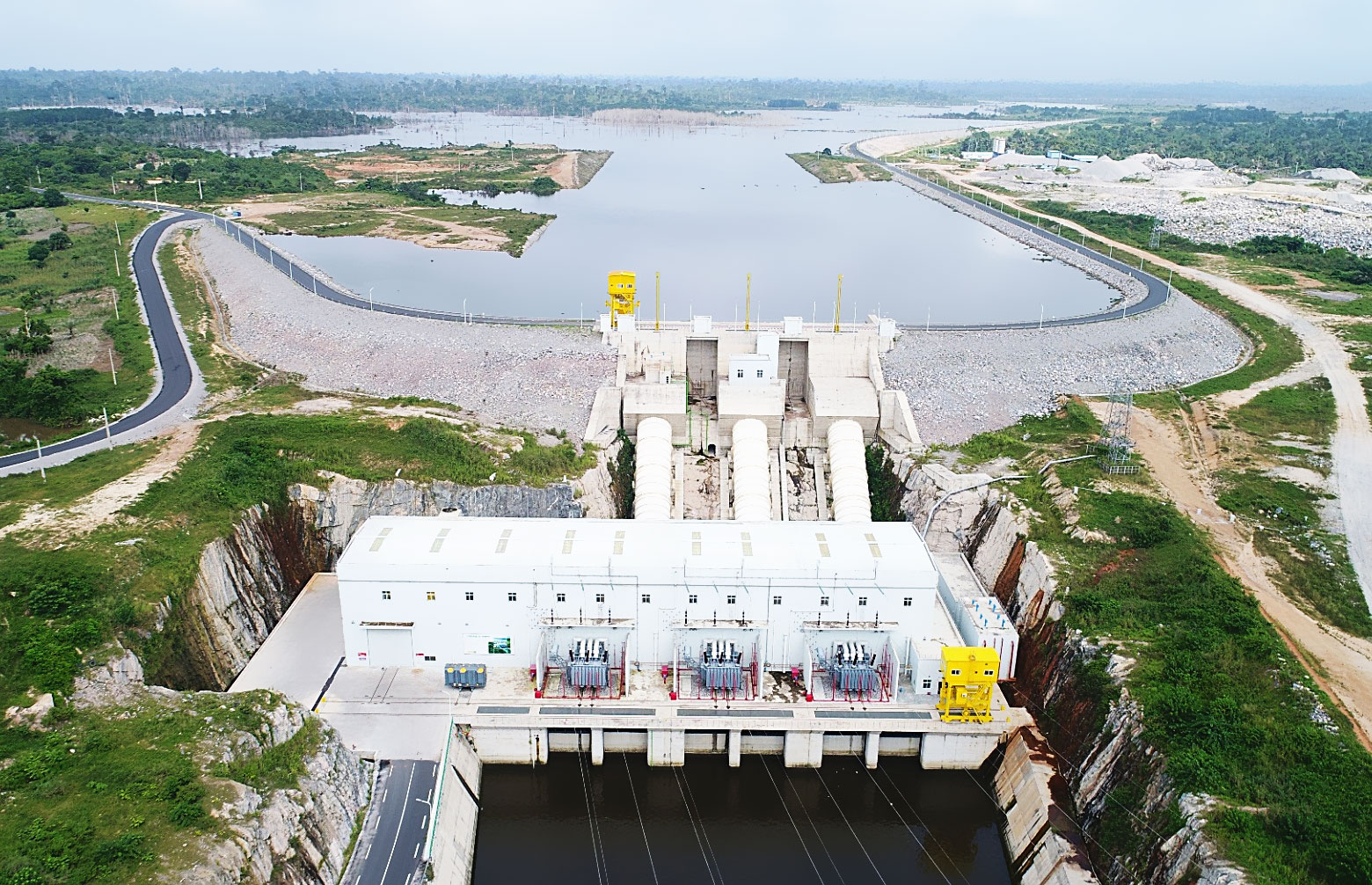
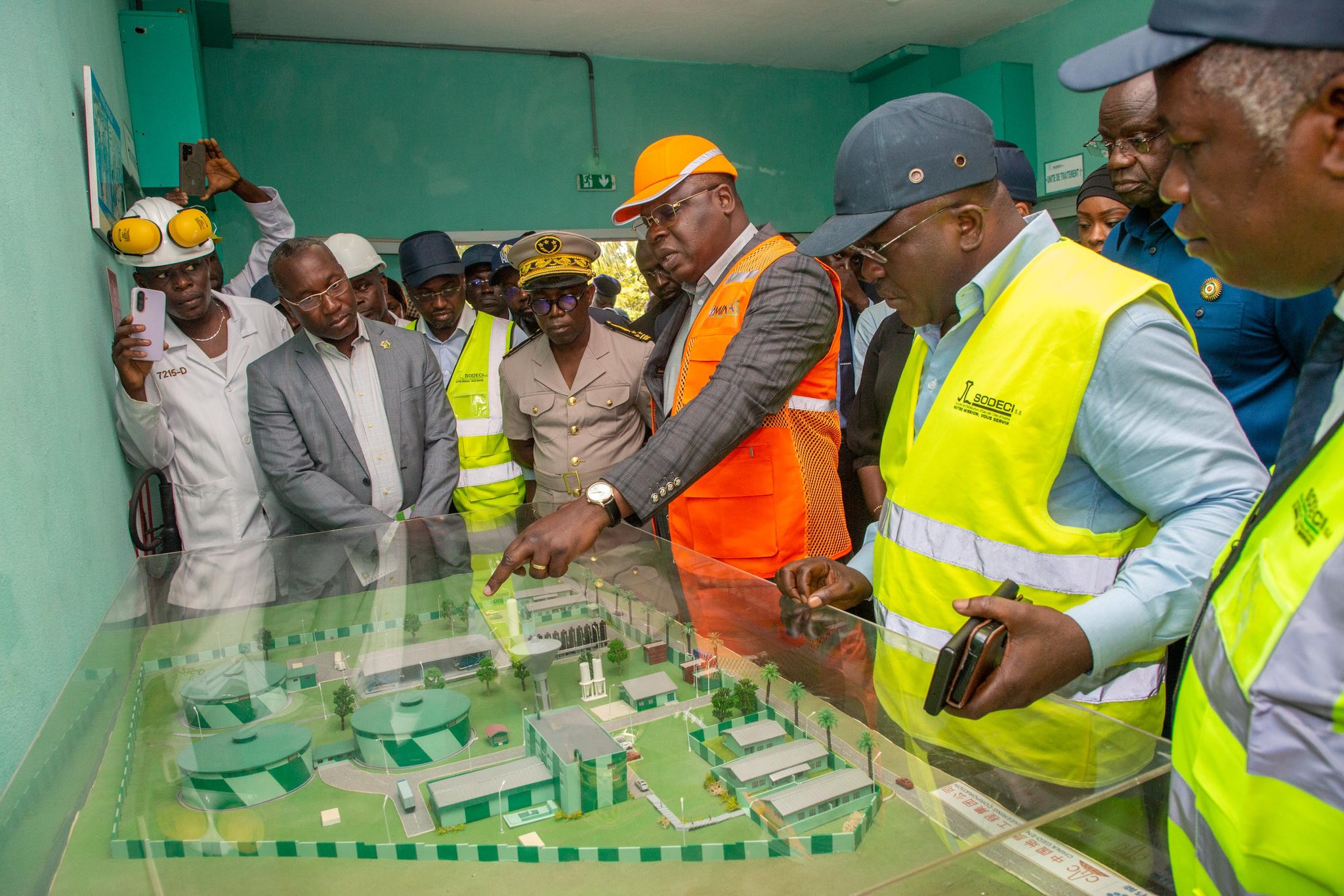
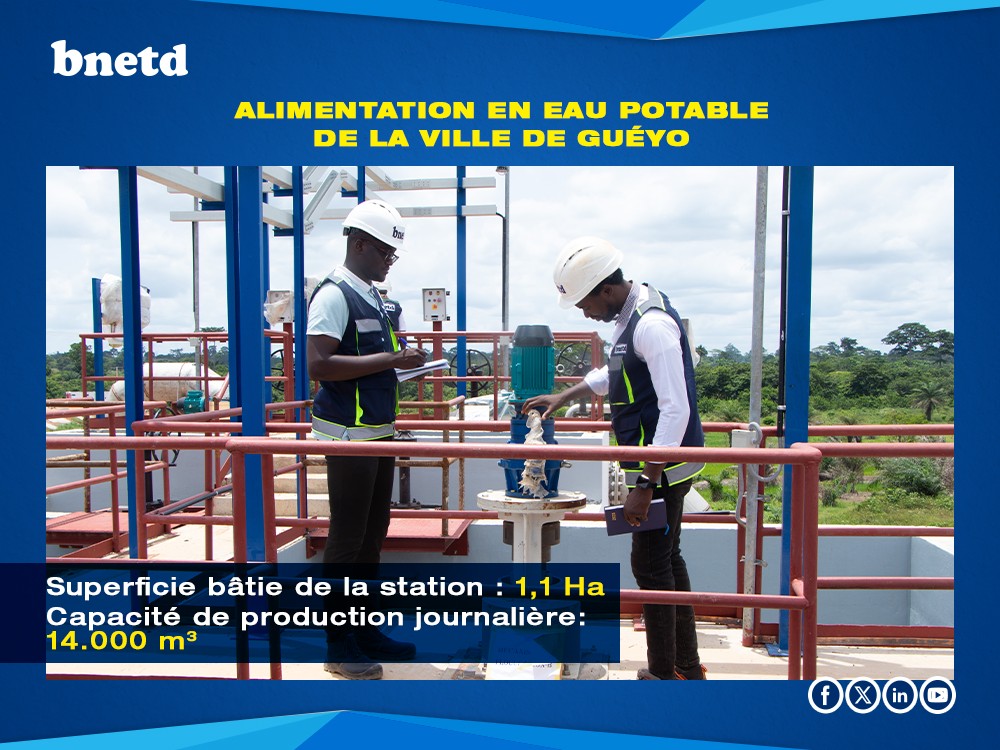
To guarantee each Ivorian sufficient quality water, the State has made the construction of hydraulic infrastructure a priority axis of its development policies. Several regions and towns have thus benefited from new processing plants, namely the region of La Mé, Grand-Lahou, San Pedro, Bouaflé and Agboville are among the localities equipped with this structuring equipment in recent years. These achievements are part of a national vision aimed at ensuring access to drinking water for all and at lower cost throughout the national territory.
The government results for 2011-2025 speak for themselves, the rate of access to drinking water has increased by 30 percentage points, from 50% to 80%. This dynamic has also attracted leading international partners. In July 2024, the Ivorian government and the World Bank signed an $825 million financing agreement for the Water and Sanitation Security Support Project (PASEA), intended to extend services to disadvantaged regions in the north of the country. This project should benefit more than 2 million additional people.
Despite these advances, Ivorian ambition does not weaken. The stated objective remains universal coverage of the territory, in line with Sustainable Development Goal 6 (SDG 6) of the United Nations which sets universal access to drinking water by 2030. The multiplication of treatment plants, combined with international financial partnerships, places Côte d'Ivoire on an encouraging trajectory to achieve this ideal of water equity.