 English
 Français

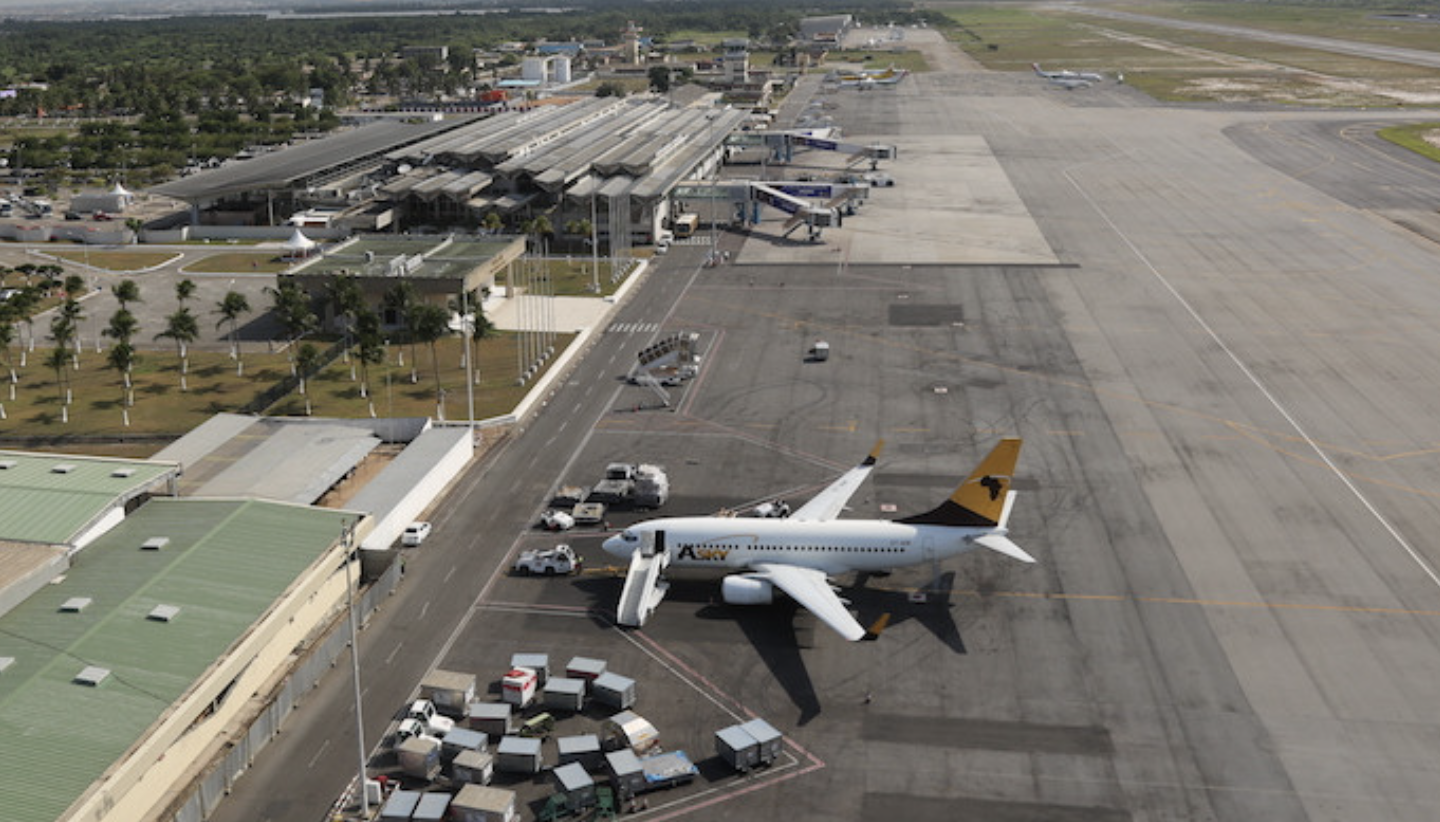
Africa has long suffered the paradox of open skies but closed runways, vast airspace, booming populations, but failing airport infrastructure and undercapitalized companies. It is precisely this equation that the AfDB and Abuja intend to resolve together. Nigeria thus becomes the first country to sign a “national compact” as part of the Integrated African Aviation Transformation Program (IATP), a program launched in February 2026 in Nairobi during the African Airlines Forum.
The agreement covers three strategic axes, namely the improvement of sectoral policies and human skills, the modernization of airport and logistics infrastructures, and the strengthening of airlines and local industrial capacities. Mike Salawou, Director of the Department of Infrastructure, Cities and Urban Development (PICU) at the AfDB, described this partnership as “a major continental initiative intended to transform the African aviation ecosystem”. By designating the Nigerian Minister of Aviation as the African champion of this transformation, the AfDB is sending a strong signal. One that Africa will no longer be content with observing the global revolution in air transport, it will be an actor.
Beyond the figures, this agreement opens a new era for African connectivity. By making Nigeria its spearhead, the AfDB is banking on the ripple effect. If the West African giant succeeds in its aeronautical transformation, other states on the continent could well join the IATP, transforming 7 billion dollars into a catalyst for a long-promised, too often delayed, regional integration.