
72 result(s) for “Zone industrielle”
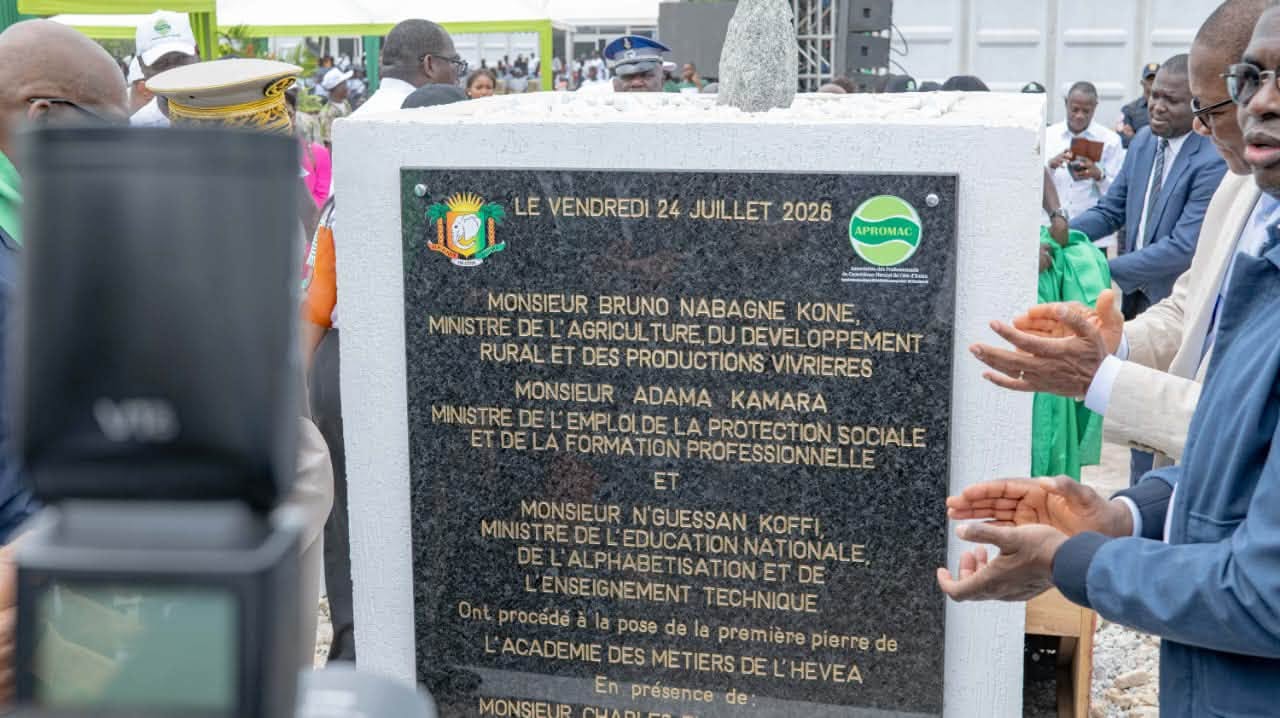
Premier producteur africain de caoutchouc naturel, la Côte d'Ivoire engage une nouvelle étape dans le développement de sa filière hévéa. Avec la création d'une Académie des métiers de l'hévéa, les professionnels veulent former une main d'œuvre qualifiée afin d'accompagner la transformation industrielle et répondre aux...
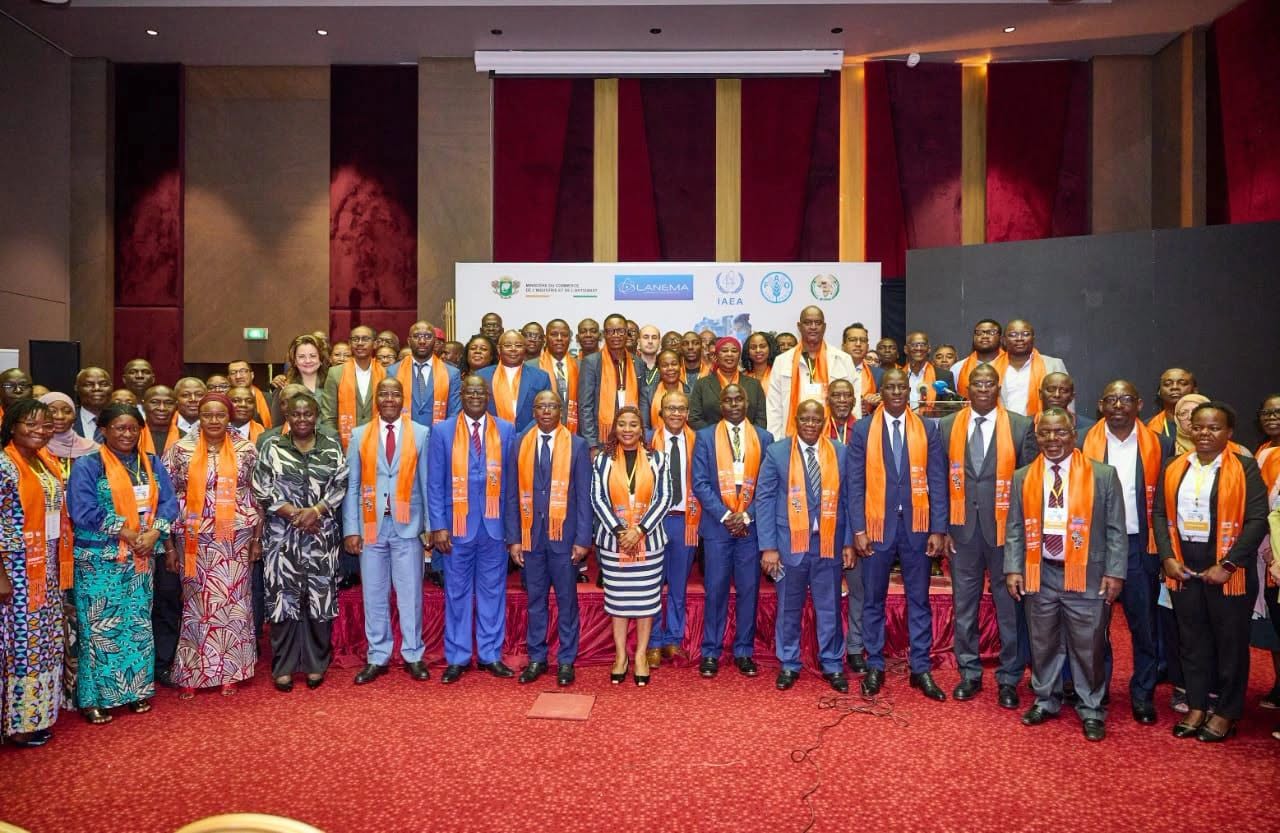
La capitale économique ivoirienne a abrité récemment la 4ème édition de l'Atelier africain de l'Agence internationale de l'énergie atomique dédié à la sécurité sanitaire des aliments. Organisée par le Laboratoire National d'Essais, de Métrologie et d'Analyses (LANEMA), sous tutelle du Ministère du Commerce, de l'Indust...
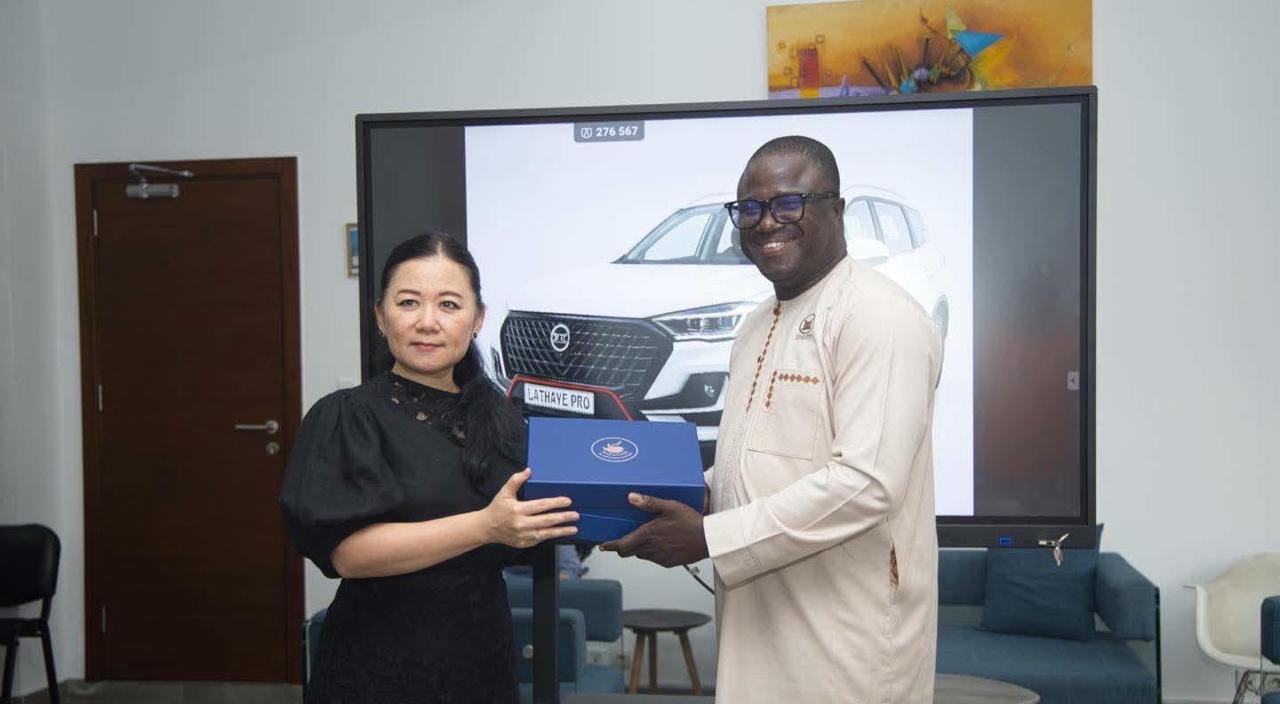
Le made in Côte d'Ivoire séduit désormais l'Asie du Sud-Est. Kpandji Automobiles a reçu l'Ambassadrice de Thaïlande en Côte d'Ivoire, Nipa Nirannoot, accompagnée d'une délégation économique thaïlandaise. Cette rencontre s'est conclue par un engagement fort. La diplomate s'est dite prête à mobiliser son réseau pour ouvr...
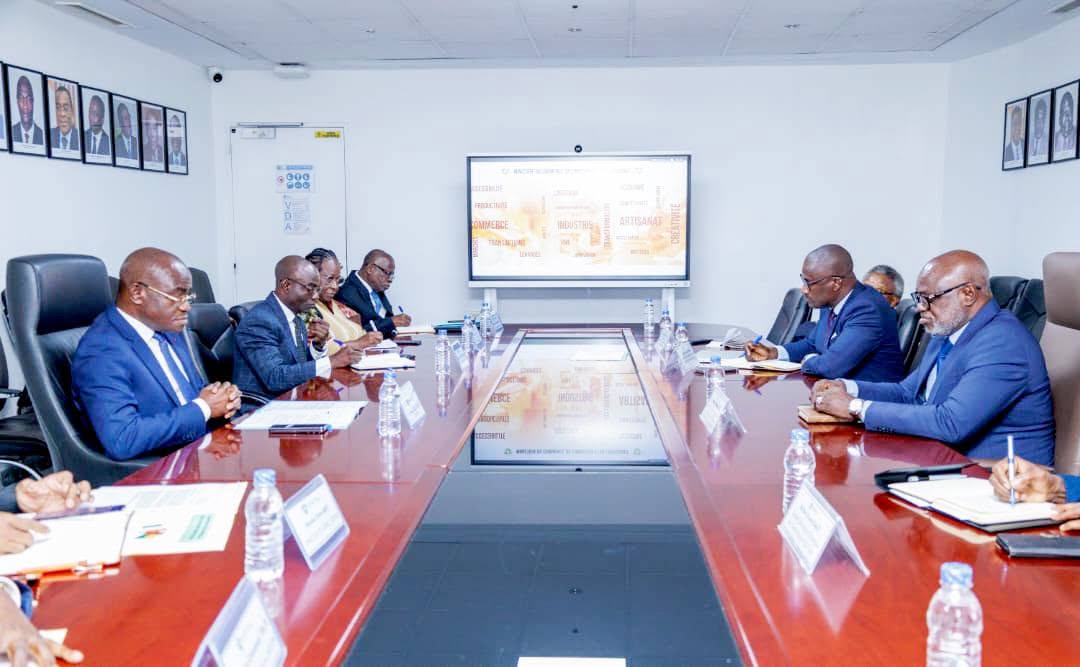
La transformation locale de la noix de cajou s'impose progressivement comme un levier d'industrialisation en Afrique de l'Ouest. En venant s'inspirer de l'expérience ivoirienne, la Guinée Bissau affiche son ambition de créer davantage de valeur ajoutée autour de l'anacarde, une culture qui constitue le pilier de son éc...
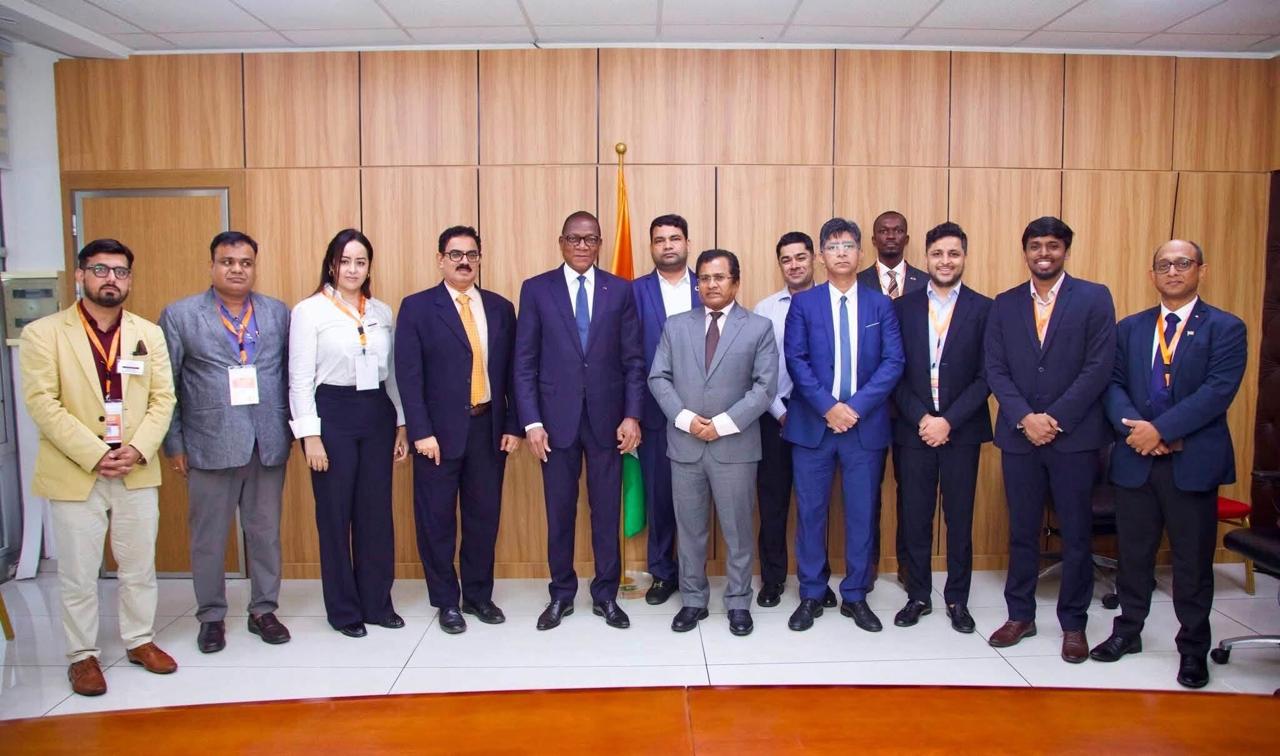
Le Ministre Bruno Nabagné Koné a reçu récemment une délégation de la Confédération de l'Industrie indienne. Après les partenaires occidentaux, c'est au tour de l'Inde de se positionner sur l'agriculture ivoirienne, avec une promesse forte, construire des tracteurs directement à Abidjan.
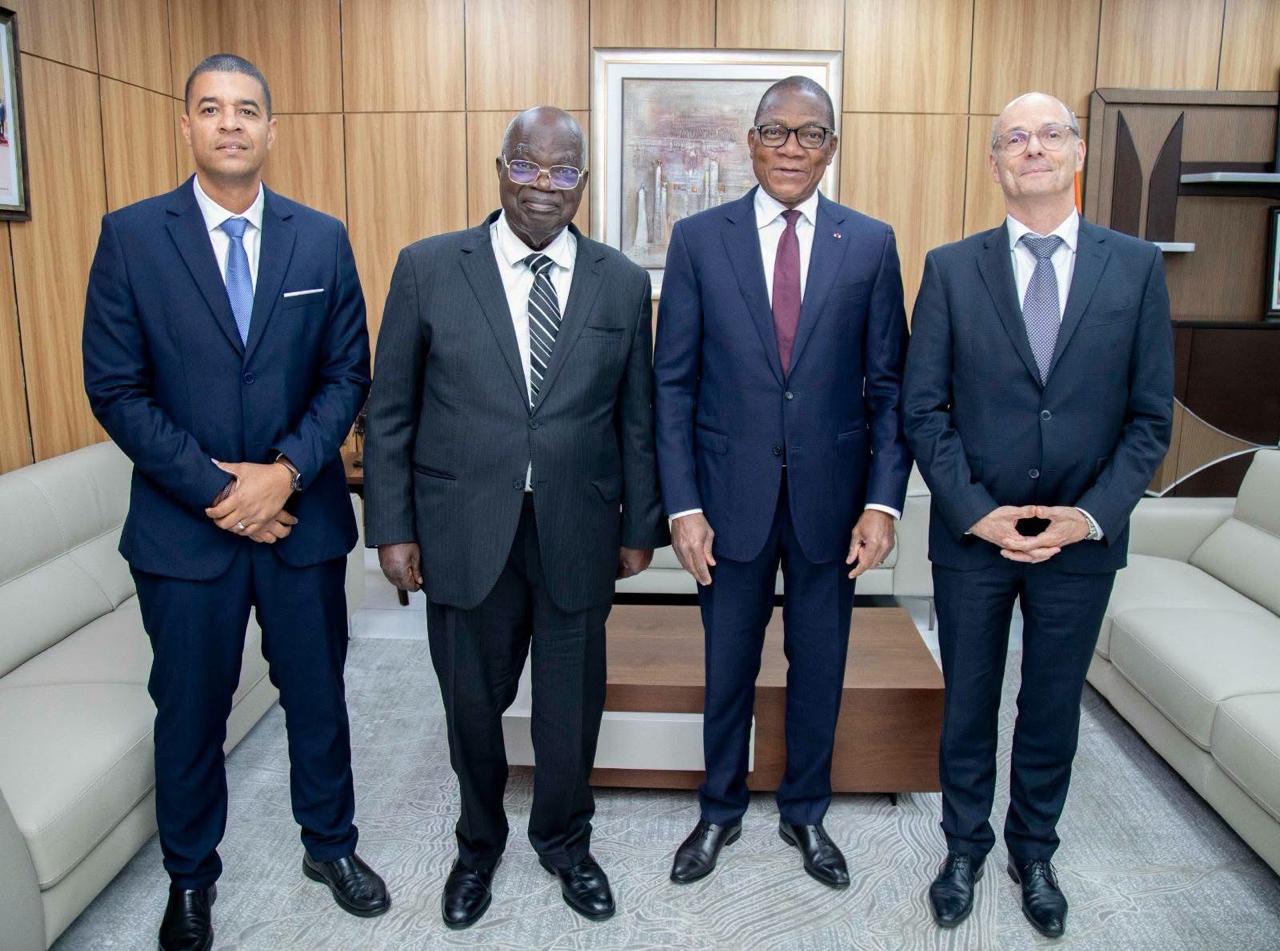
Le sucre ivoirien s'apprête à connaître une nouvelle ère industrielle. Le Ministre de l'Agriculture, du Développement Rural et des Productions Vivrières, Bruno Nabagné Koné, a reçu Olivier Parent, PDG du Groupe SOMDIA, venu présenter un contrat-plan ambitieux pour sa filiale SUCAF-CI, promesse d'un investissement massi...
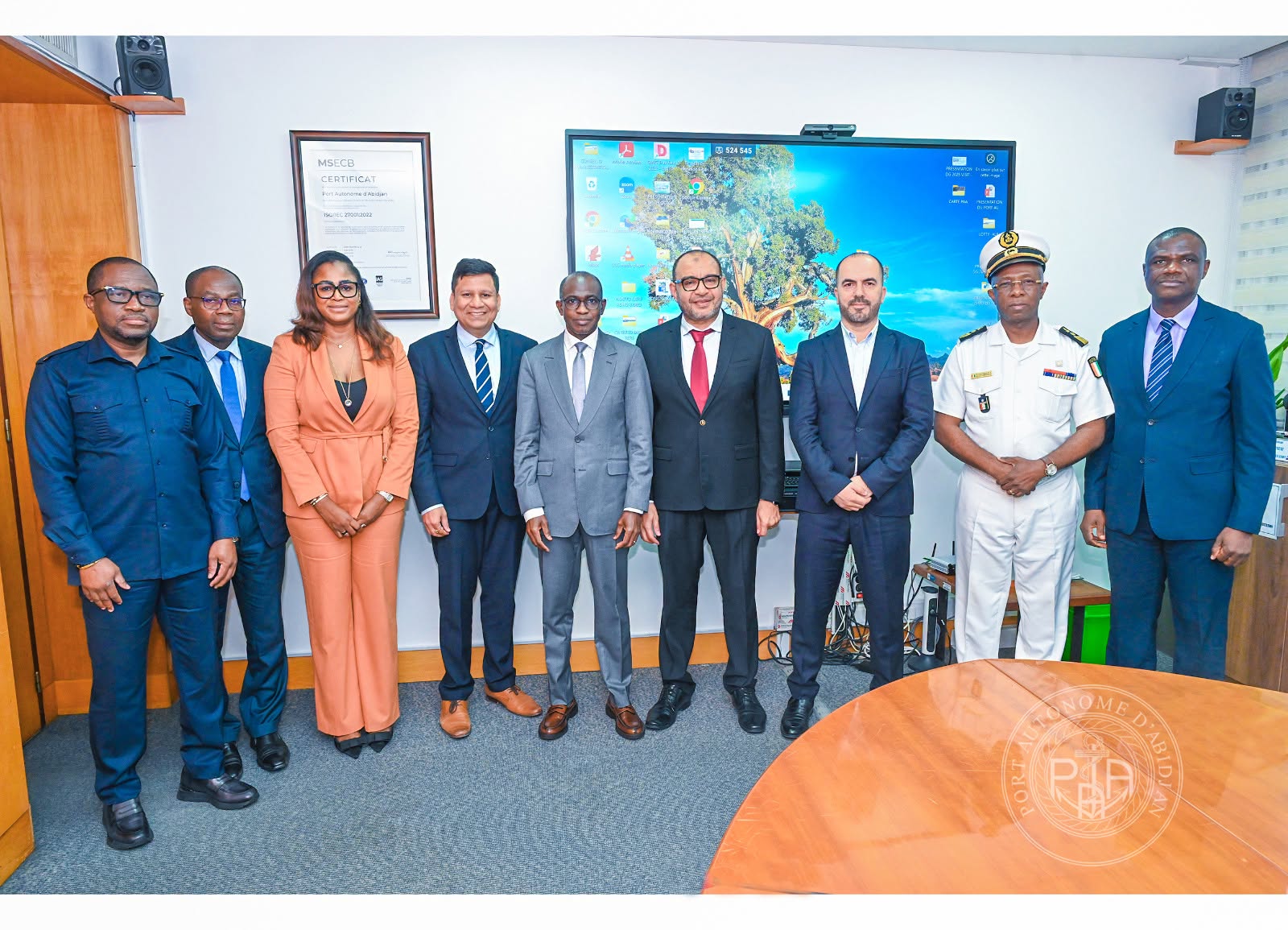
Le Directeur Général du Port Autonome d'Abidjan (PAA), Kassoum Traoré a accordé une audience à la délégation de LafargeHolcim Côte d'Ivoire conduite par son Directeur Général, Rachid Yousri. Cette rencontre, tenue récemment, s'inscrit dans la continuité des échanges réguliers entre les deux institutions, quelques jours...
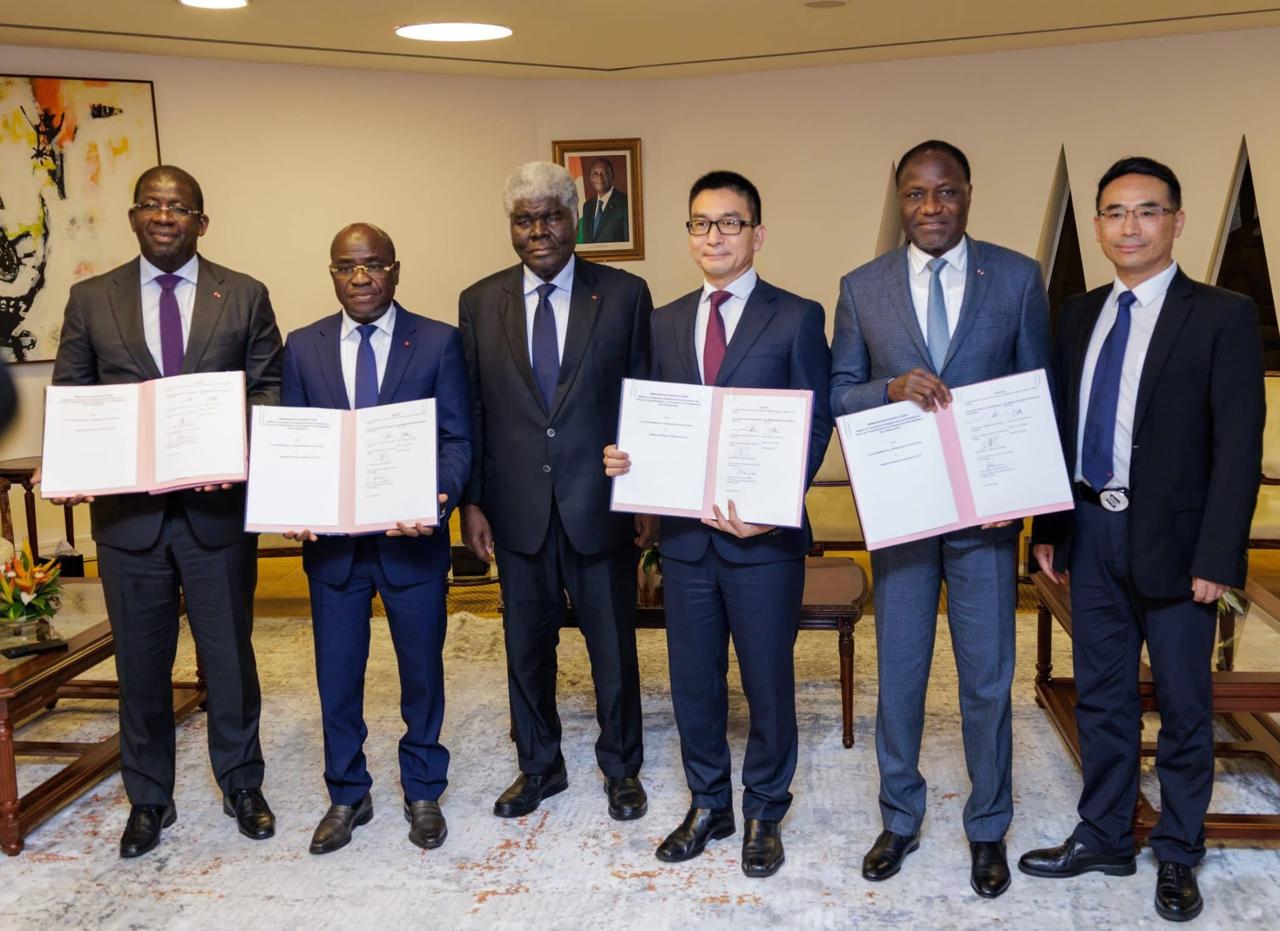
La Côte d’Ivoire a signé un protocole d'accord non contraignant avec Winning International Group, posant les jalons d'un dialogue stratégique sur les mines, l'énergie, l'industrie et les infrastructures. Trois ministres ivoiriens ont paraphé le document en présence du Premier ministre Robert Beugré Mambé. C’était en ma...
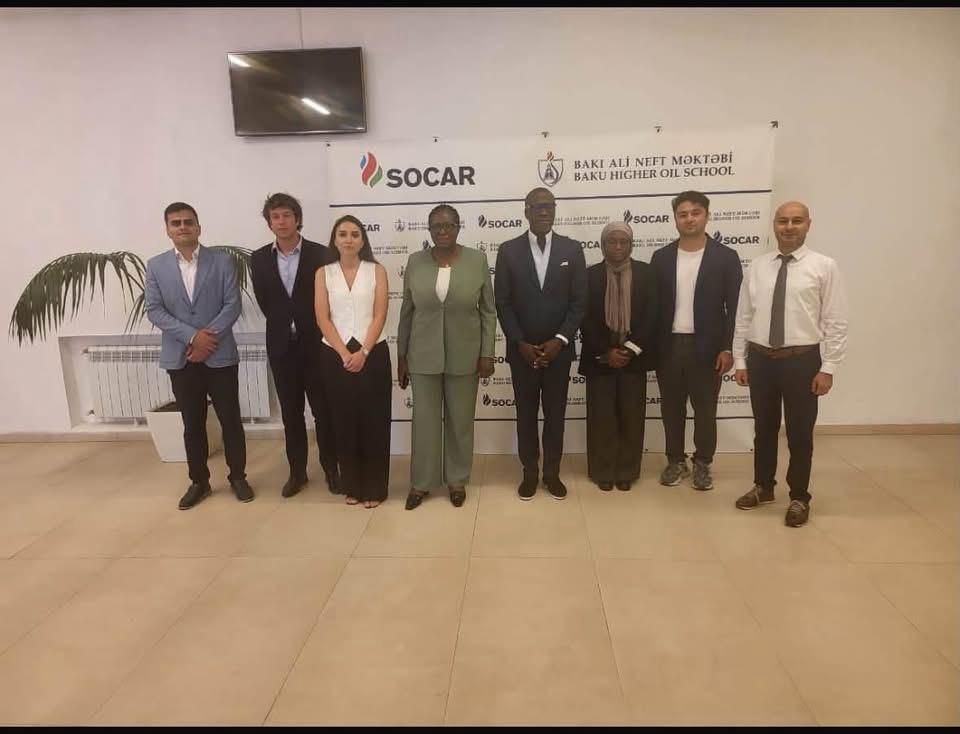
Une délégation de PETROCI HOLDING conduite par sa Direction Générale a effectué une mission de travail à Bakou, en République d'Azerbaïdjan, sur invitation de SOCAR et de sa filiale SOCAR Trading, il y a quelques jours. Cette visite marque une étape clé dans la stratégie d'internationalisation de la compagnie pétrolièr...
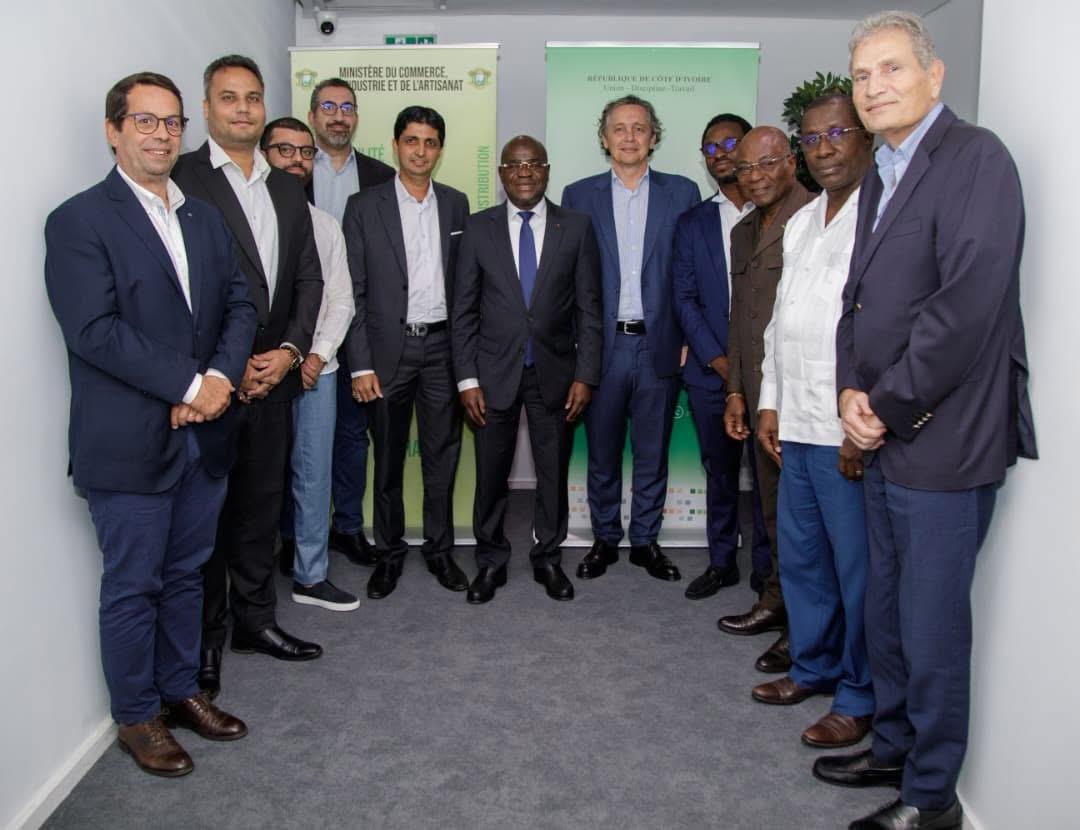
L'Association des Producteurs d'Acier de Côte d'Ivoire (APACI) a été reçue récemment par le Ministre du Commerce, de l'Industrie et de l'Artisanat, Ibrahim Kalil Konaté. Au menu des échanges, les difficultés opérationnelles rencontrées par les industriels du secteur.
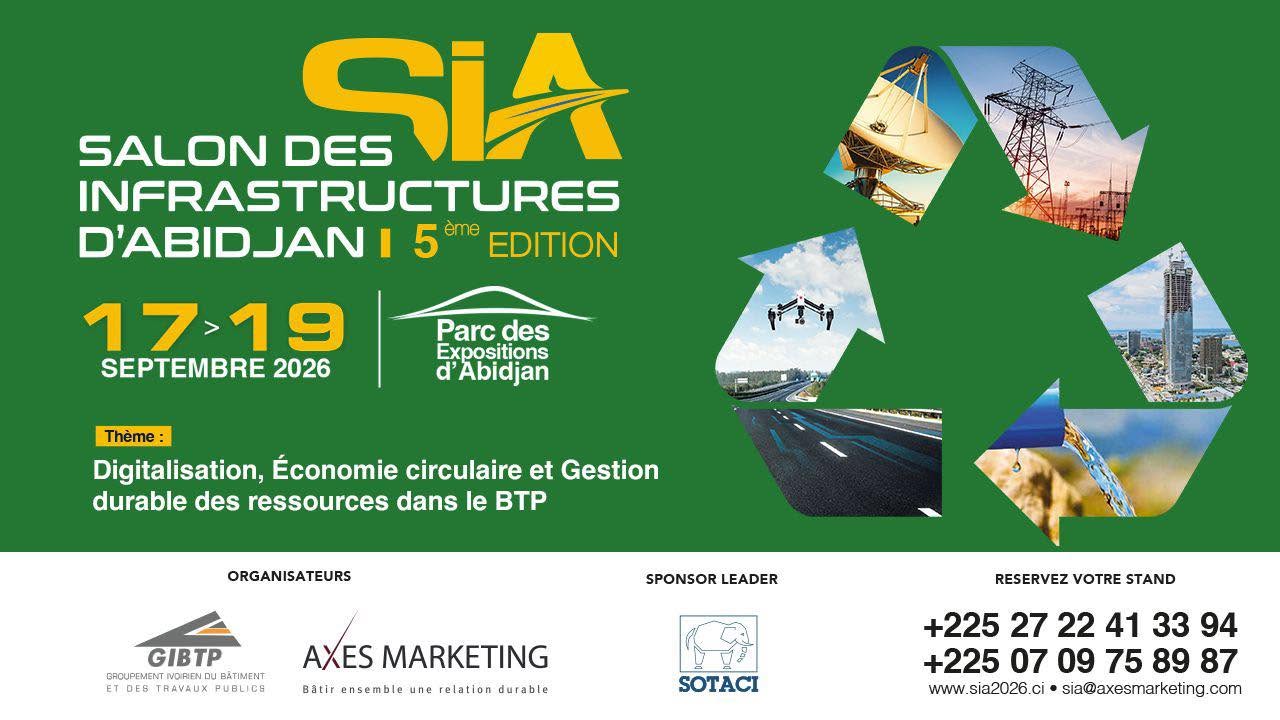
Le Salon des Infrastructures d'Abidjan (SIA) tient sa 5e édition du 17 au 19 septembre 2026 au Parc des Expositions d'Abidjan, sous le thème « Digitalisation, économie circulaire et gestion durable des ressources dans le BTP ». Lancée officiellement le 3 février 2026 par le président du Groupement ivoirien du bâtiment...
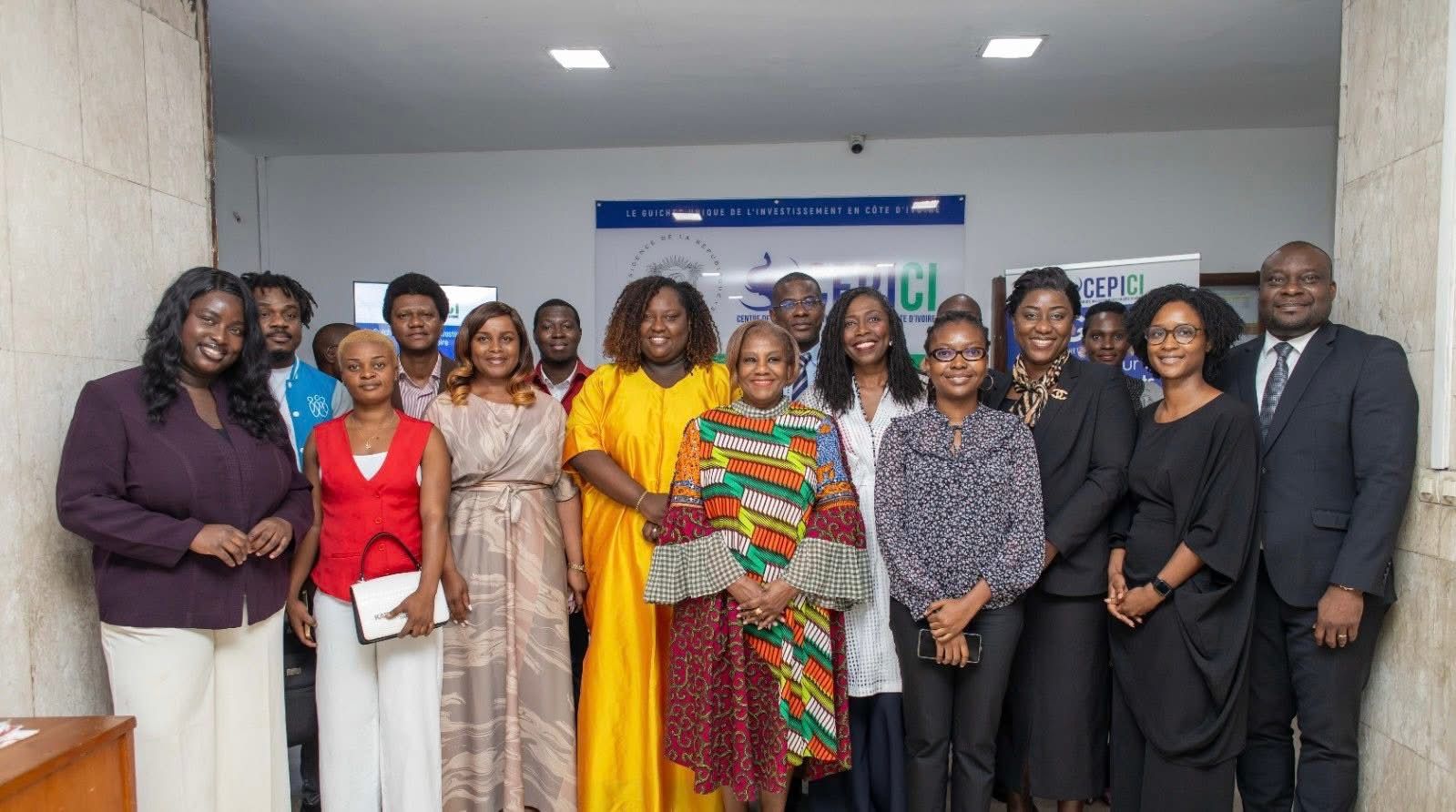
Un guichet, cinq secteurs stratégiques et mille femmes visées, c’est le pari lancé le 29 juin 2026 par le Centre de promotion des investissements en Côte d'Ivoire (CEPICI) pour transformer l'inclusion économique féminine en levier de croissance industrielle. Un dispositif inédit pour l'entrepreneuriat féminin.
 English
 Français