

192 result(s) for “Premier Ministre”

La Côte d'Ivoire et Africa50, plateforme panafricaine d'investissement dans les infrastructures créée par des États africains et la Banque africaine de développement (BAD), ont posé les jalons d'un partenariat stratégique majeur. En marge des Assemblées annuelles de la BAD à Brazzaville, le 28 mai 2026, une réunion de...

Toujours en marge des Assemblées Annuelles du Groupe de la Banque Africaine de Développement (BAD), tenues à Brazzaville, le Ministre du Plan et du Développement, Dr. Souleymane Diarrassouba, a rencontré son homologue canadienne Patricia Pena, il y a 4 jours. Une audience qui marque un tournant dans la dynamique de coo...

La Côte d'Ivoire s'apprête à écrire une page inédite de son histoire ferroviaire contemporaine. Inscrit dans le Programme national de développement (PND 2026-2030), un projet de Train à Grande Vitesse (TGV) reliant Abidjan à Ferkessédougou sur 640 kilomètres figure parmi les infrastructures phares du pays. Estimé à 1 0...

En marge des 61es Assemblées annuelles de la Banque Africaine de Développement (BAD) à Brazzaville, le Ministre du Plan et du Développement, Dr. Souleymane Diarrassouba, a tenu une séance de travail avec Sandra Kassab, Directrice Afrique de l'Agence Française de Développement (AFD). Au menu de échanges, le financement...
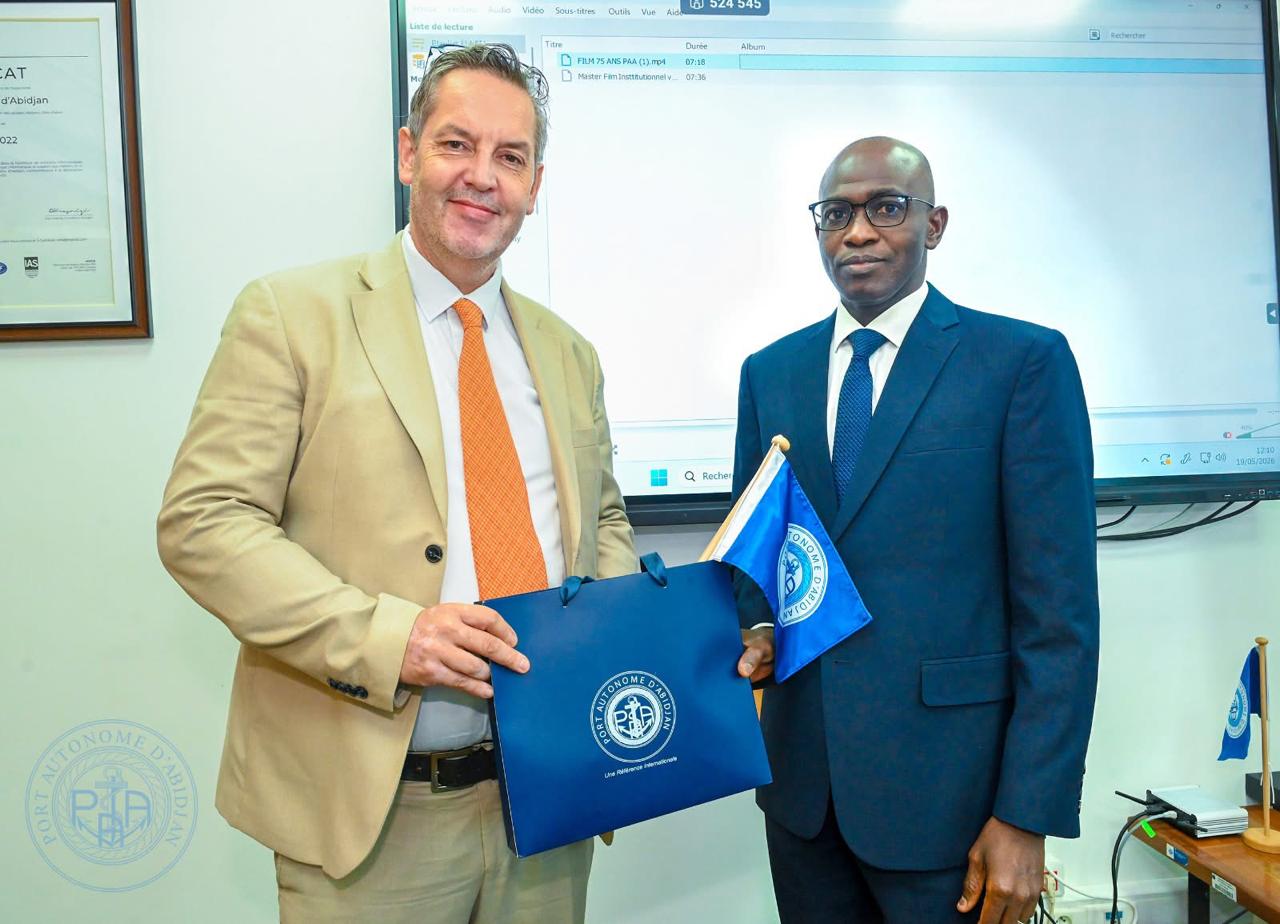
Le Directeur Général par intérim du Port Autonome d'Abidjan (PAA), Kassoum Traoré a reçu récemment une délégation belge composée de représentants d'Enabel et du Port d'Anvers-Bruges. Ces échanges ont ouvert la voie à une coopération stratégique axée sur la transition écologique, la digitalisation et la performance logi...
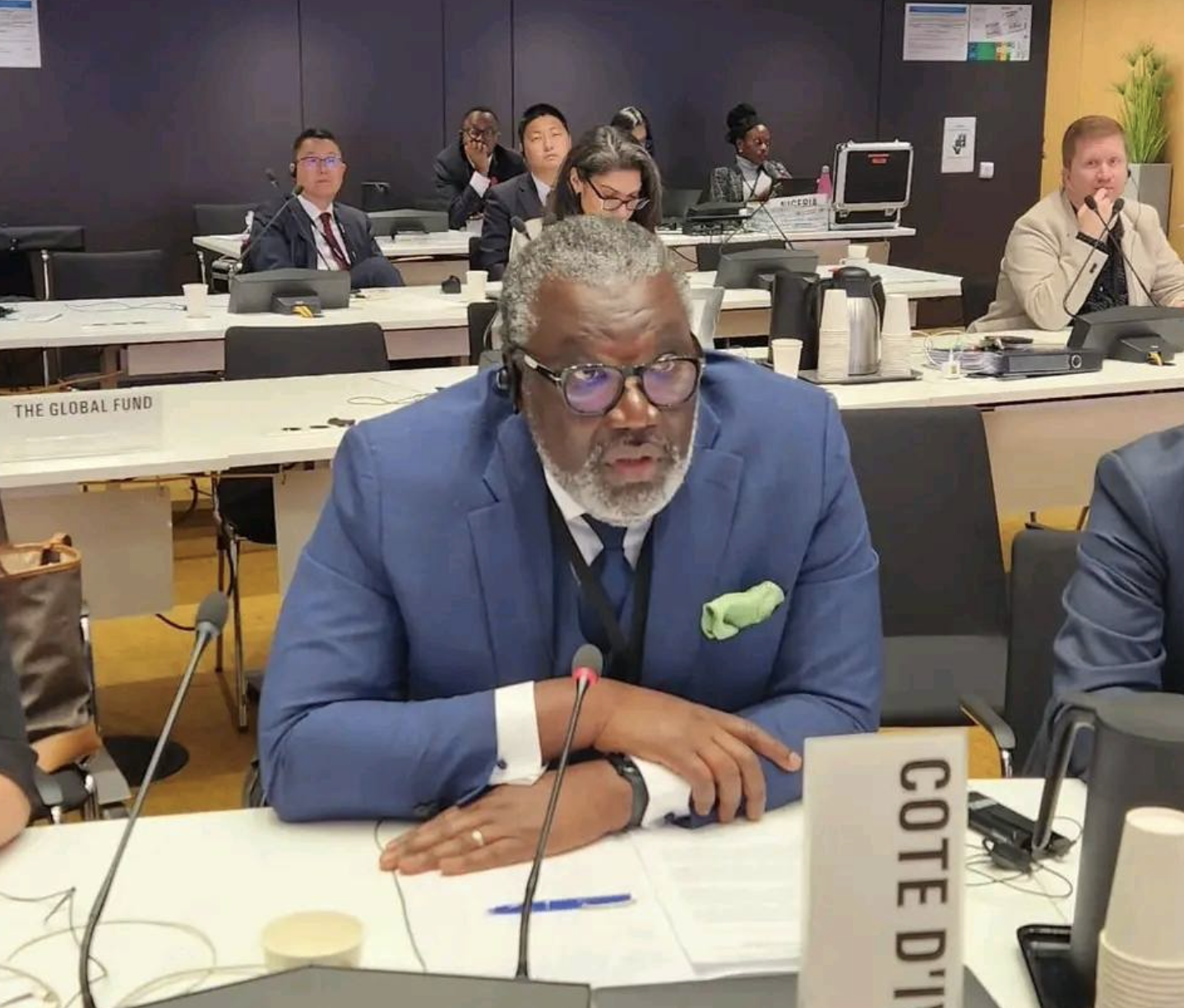
La Côte d'Ivoire vient de marquer un jalon majeur dans l'arène sanitaire internationale. Le 25 mai 2026, à Genève, le Professeur Mamadou Samba, a été élu vice-président du Conseil exécutif de l'Organisation mondiale de la Santé (OMS), en marge de la 79e Assemblée mondiale de la Santé. Une distinction qui place Abidjan...
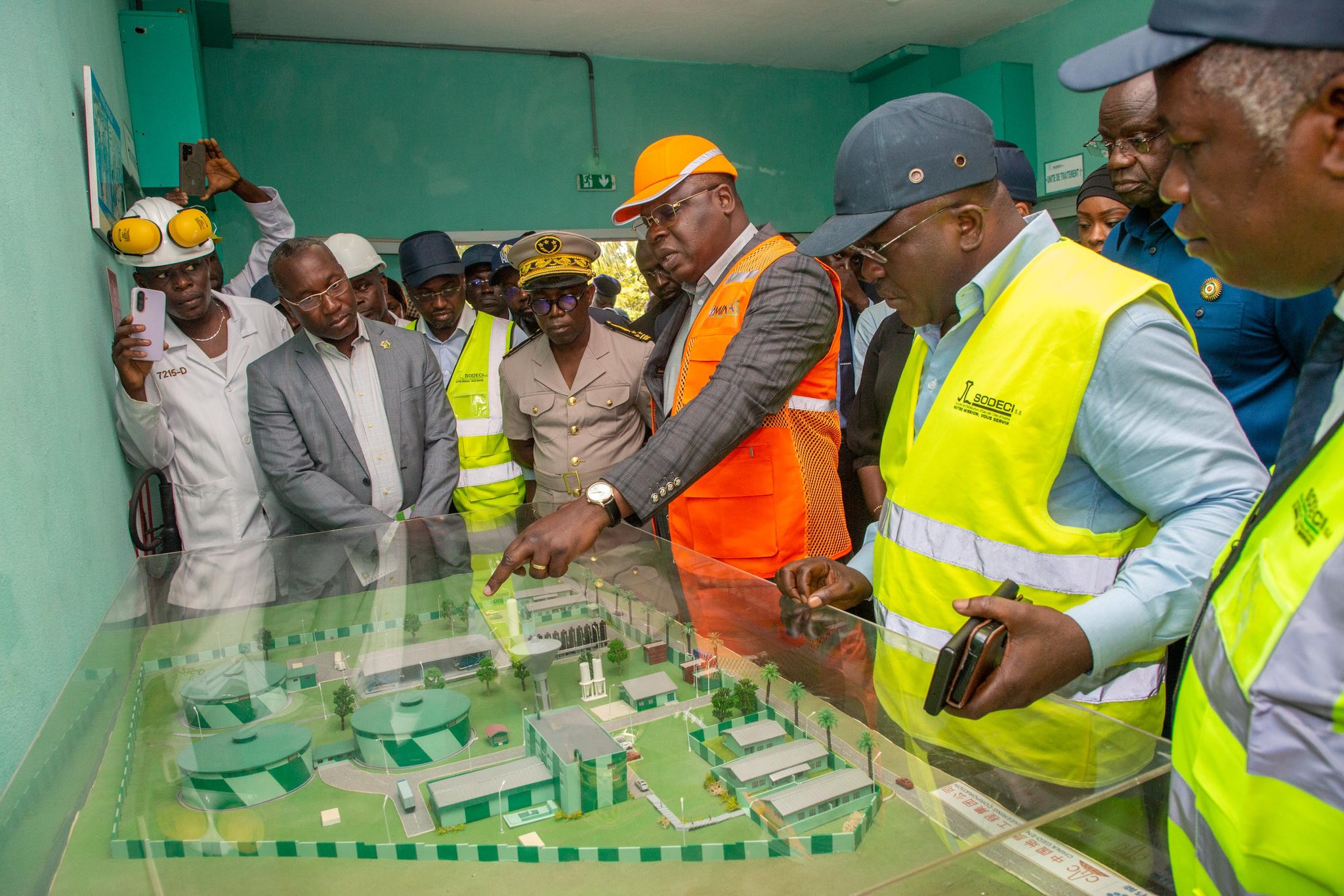
Dans le cadre du suivi des infrastructures hydrauliques nationales, le Dr Amédé Koffi Kouakou, Ministre de l'Hydraulique, de l'Assainissement et de la Salubrité, a conduit une visite de terrain sur les sites des usines de traitement d'eau de Bonoua 1 et 2, il y a quelques jours. Une descente effectuée en compagnie de s...
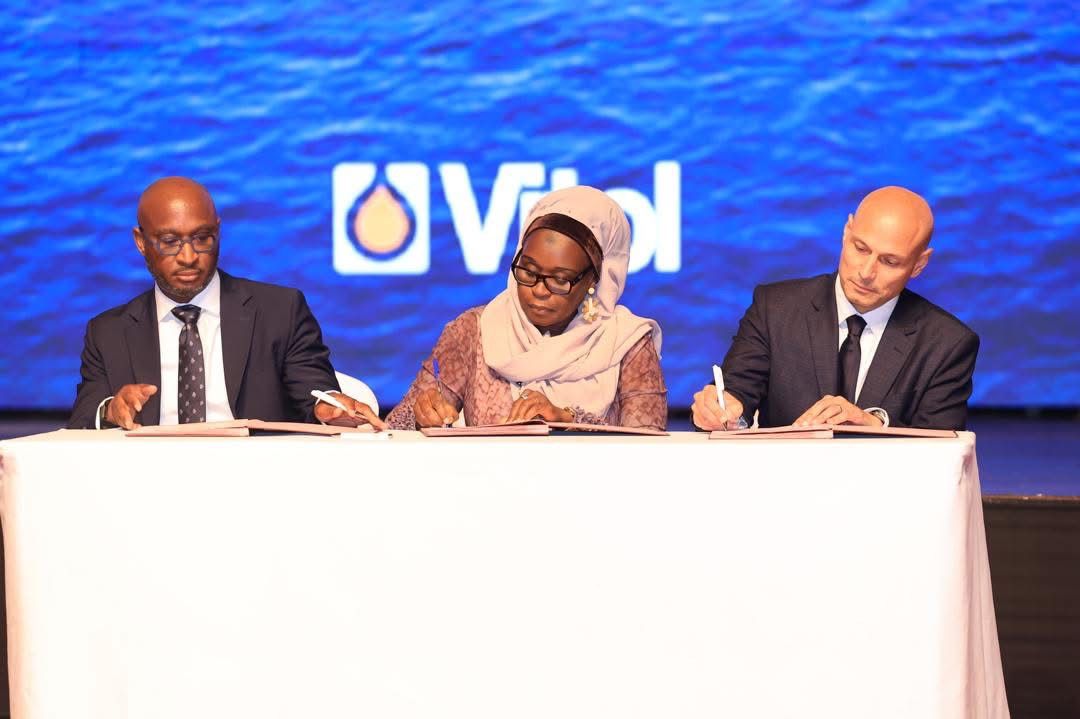
Une étape décisive a été franchie dans l'exploitation du plus grand gisement d'hydrocarbures découvert en Côte d'Ivoire. La signature de la Décision Finale d'Investissement (DFI) par le Consortium ENI-PETROCI-VITOL engage un investissement de 4 milliards de dollars US, pour la troisième et dernière phase du champ Balei...
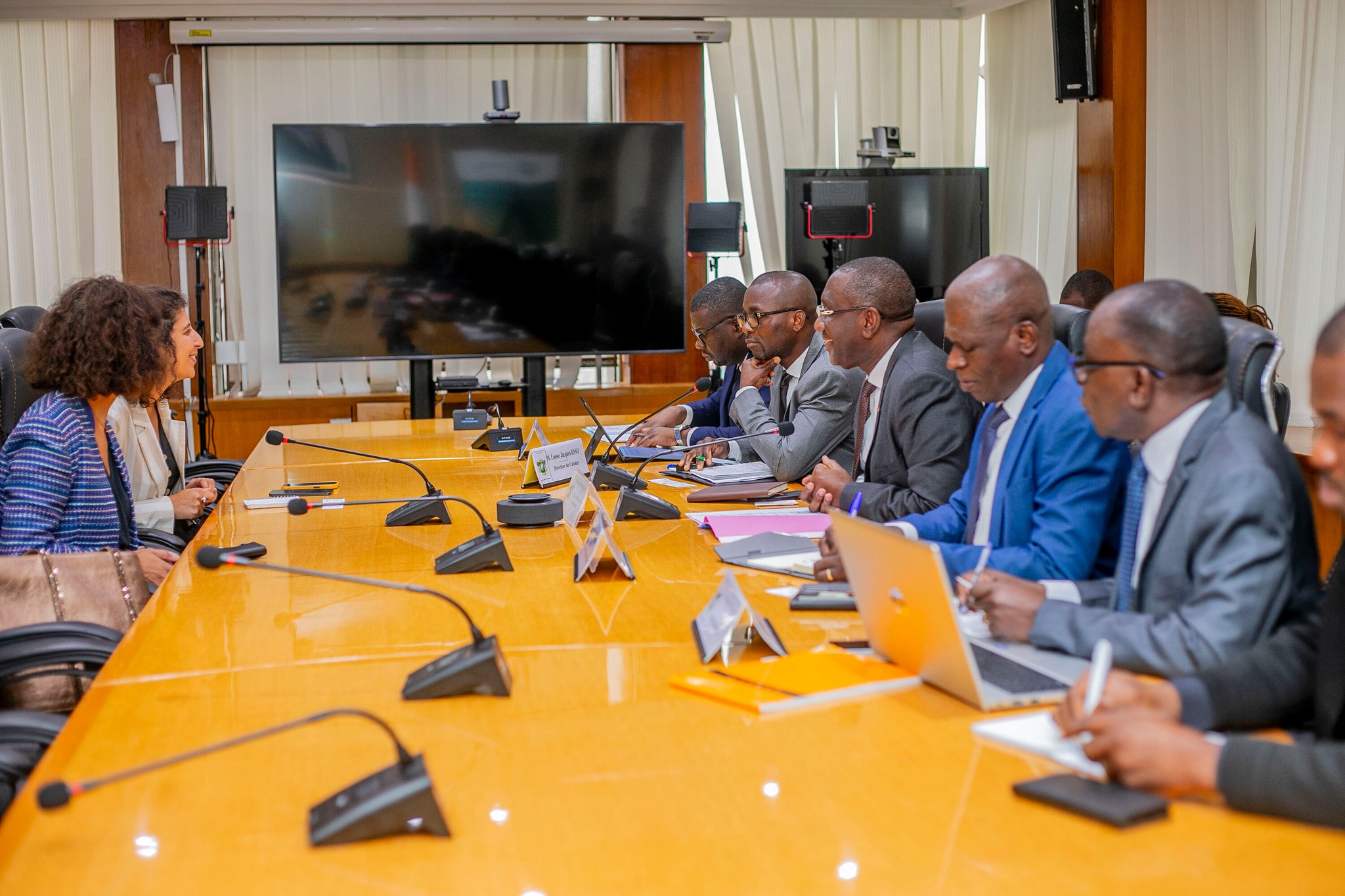
Le Ministre ivoirien du Plan et du Développement, Dr. Souleymane Diarrassouba, a reçu en audience, Mme Ihssane Slimani Houti, Ministre Conseillère pour les Affaires économiques et Cheffe du Service économique régional d'Abidjan, il y a une semaine. Au cœur des échanges, la mobilisation des financements français pour so...
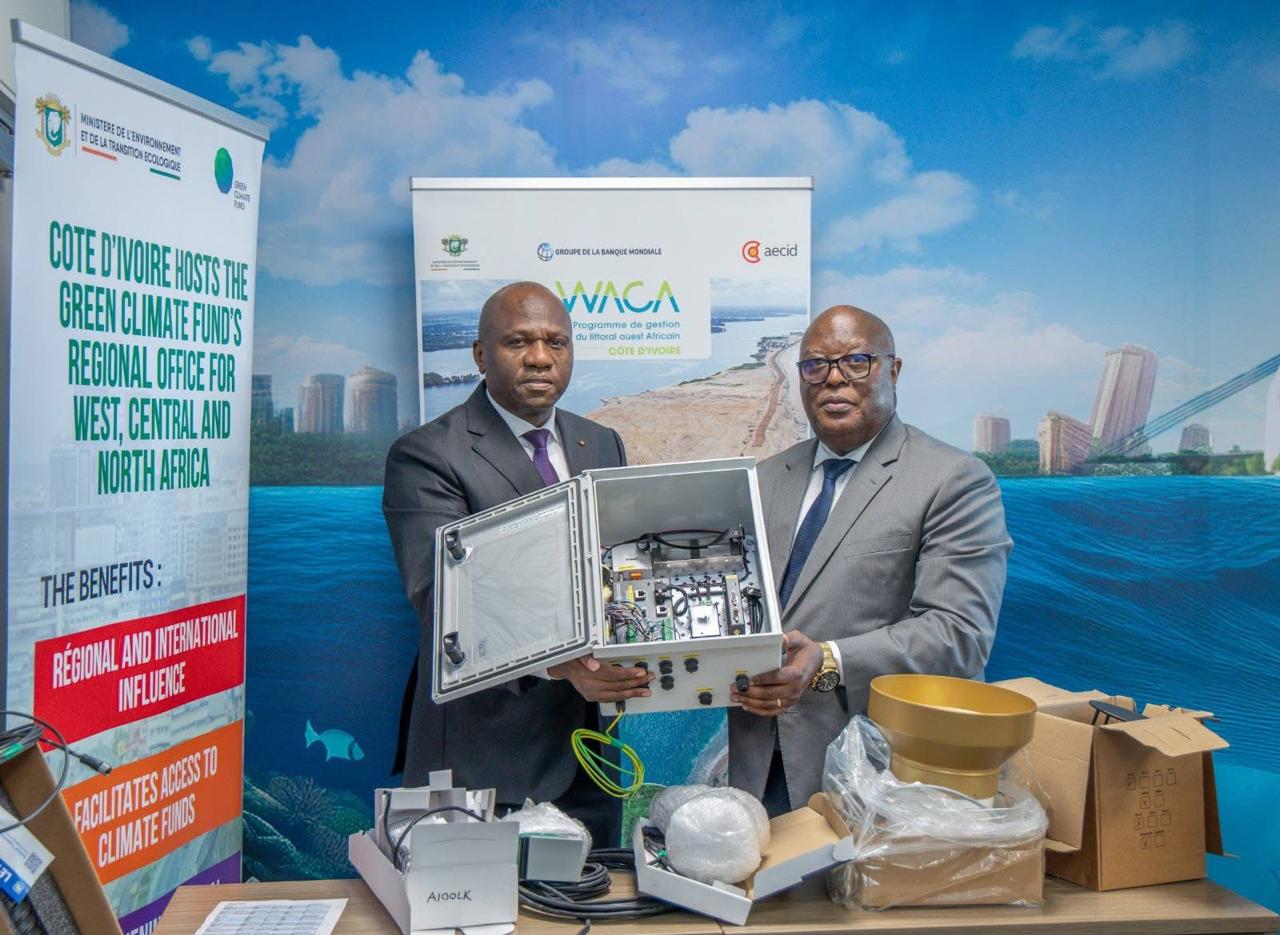
Dans le cadre du Programme de gestion du littoral ouest-africain (WACA), le Ministre de l'Environnement et de la Transition écologique, Abou Bamba, a procédé, récemment, à la remise officielle d'équipements scientifiques de pointe d'une valeur de plus de 110 millions de f cfa à l'Université Félix Houphouët-Boigny de Co...
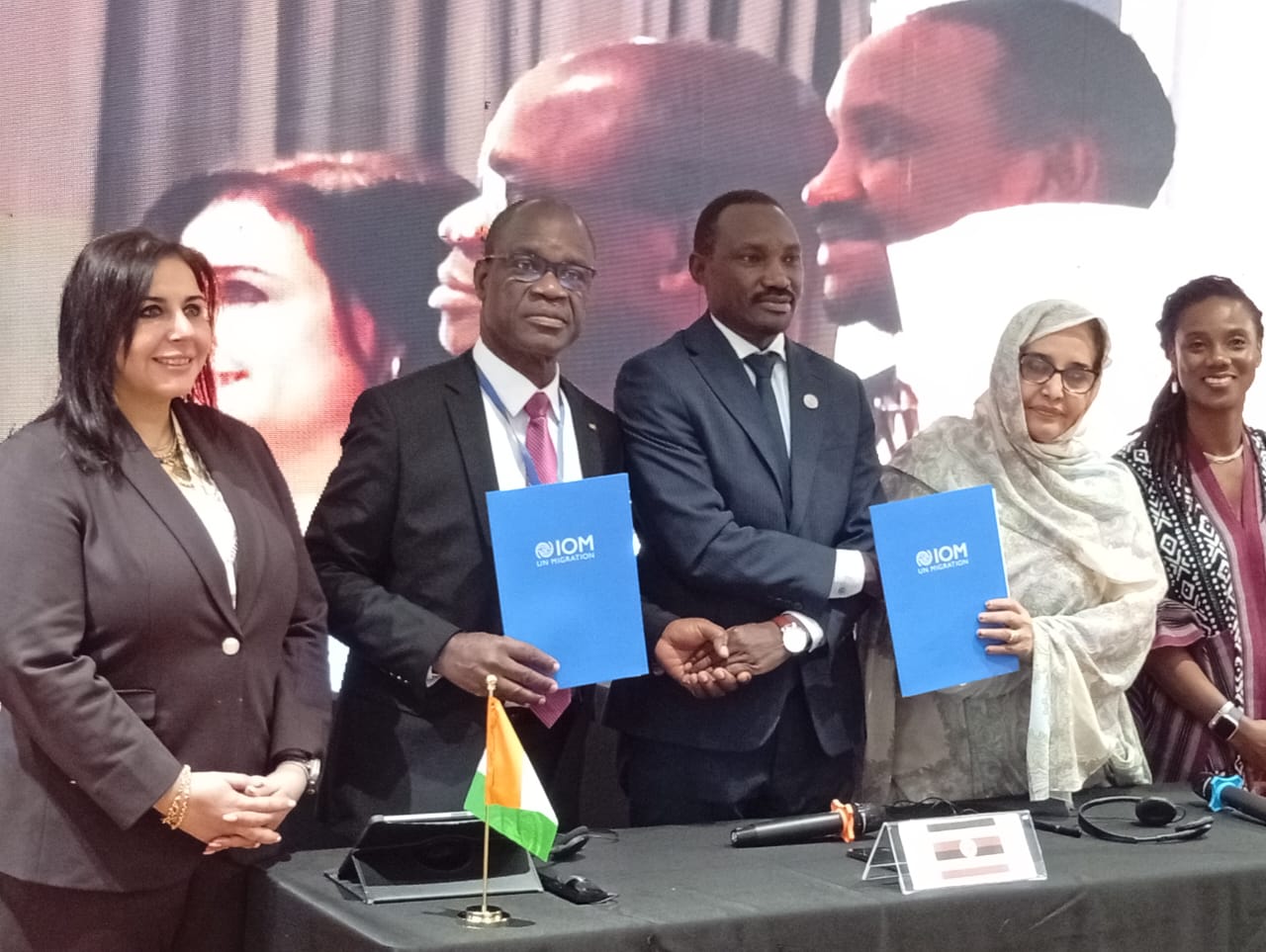
La capitale économique nigériane, Lagos, a abrité récemment une Conférence sur la mobilité humaine et le changement climatique, organisée par l'Organisation Internationale pour les Migrations (OIM). Décideurs politiques, experts et partenaires techniques d'Afrique et d'ailleurs se sont retrouvé autour d'un enjeu critiq...
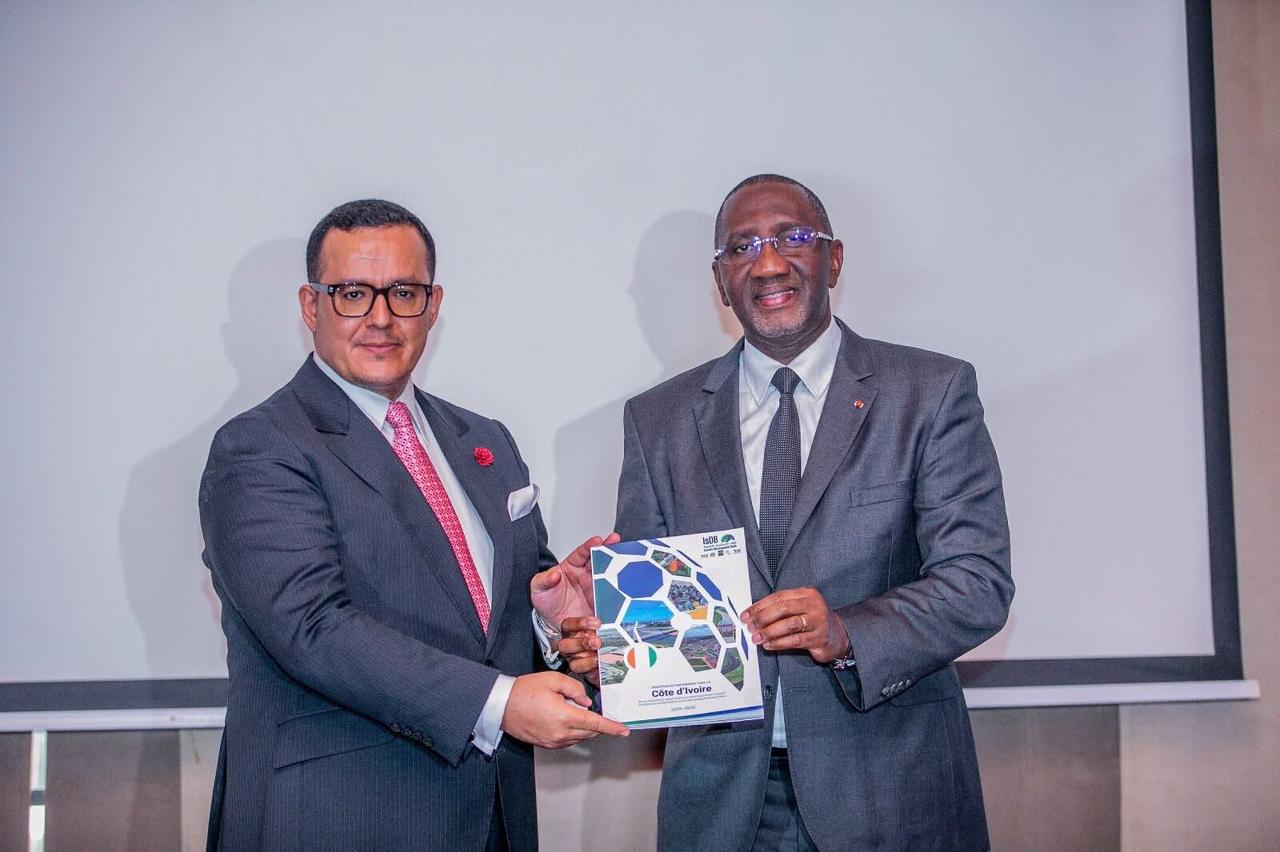
La Côte d'Ivoire et le Groupe de la Banque Islamique de Développement (BID) ont officiellement lancé, le 21 mai 2026 à Abidjan, la Stratégie de Partenariat Pays-Membre (SPPM) 2025-2029. Articulée autour de la thématique « De la croissance économique au développement inclusif », cette nouvelle feuille de route mobilise...
 English
 Français