 English
 Français

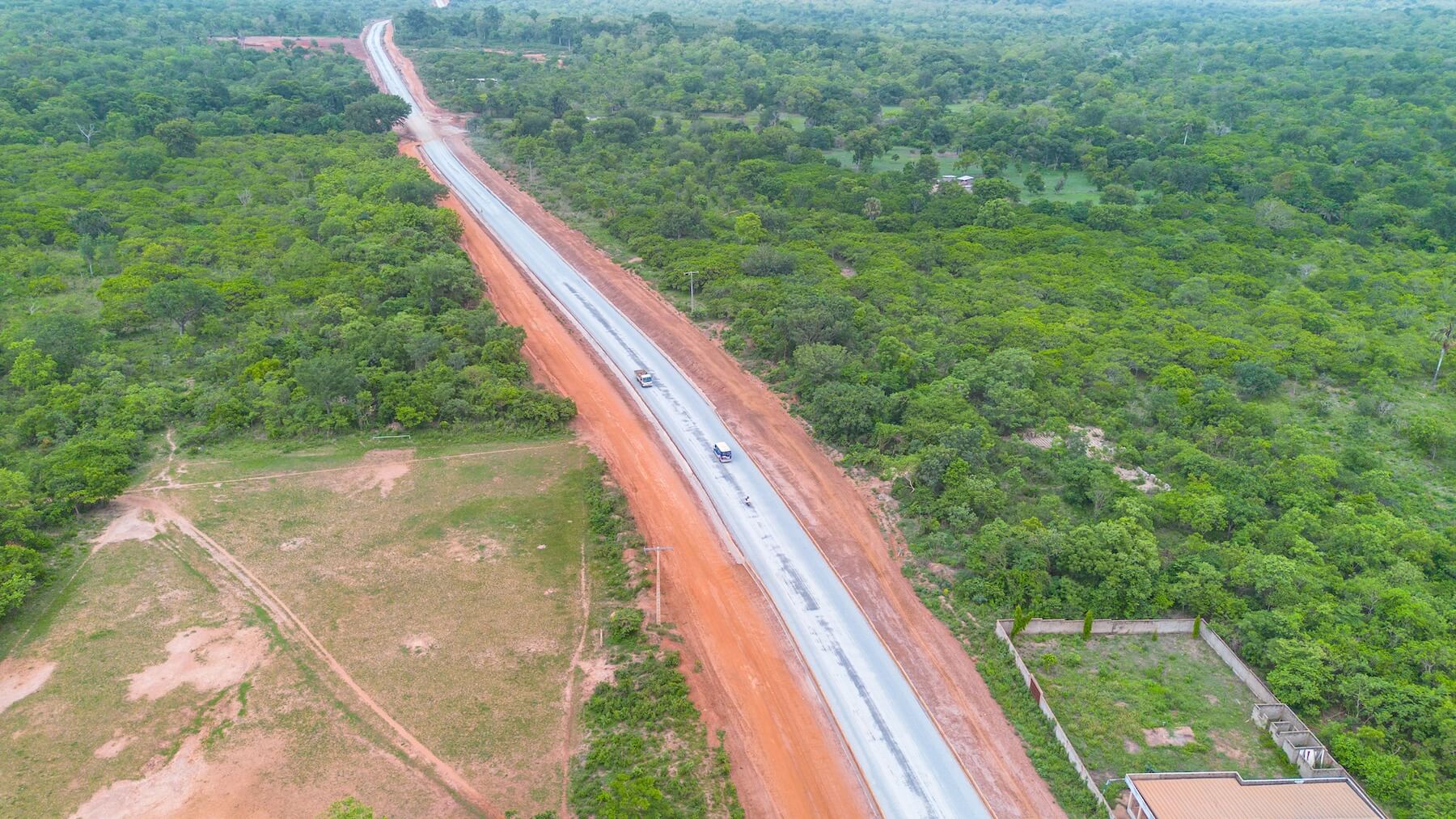
As part of the national strategy to strengthen road infrastructure, included in the National Development Plan (PND), Côte d'Ivoire has undertaken major work on the corridor linking the historic towns of Dabakala and Kong. Thus, long isolated due to the impassability of the road, the Dabakala-Kong axis is reborn. Indeed, the National Bureau of Technical Studies and Development (BNETD) will build a structural and sustainable link between Dabakala and Kong, through a development and asphalting project for the said axis for more than 108 km.
The BNETD, in its capacity as a public engineering and project management body, plays a key role in the technical supervision of this project. The project goes well beyond simple asphalting of the road. It includes the construction of urban roads, sanitation and drainage works, as well as modern horizontal and vertical signaling equipment. Ultimately, the journey time between the two cities should be reduced from 4.5 hours to just 1.5 hours, directly benefiting around fifteen neighboring villages.
Beyond mobility, this project constitutes a vector of socio-economic revitalization for the Hambol and Tchologo regions. It is part of a broader national effort. Côte d'Ivoire increased its asphalt network from 6,514 km in 2011 to 8,500 km in 2024, with investments exceeding 4,000 billion FCFA over this period.
With this Dabakala-Kong axis, the BNETD confirms its role as silent architect of Ivorian territorial development, by putting public engineering at the service of national cohesion.