
50 result(s) for “Africa Construction Steel”
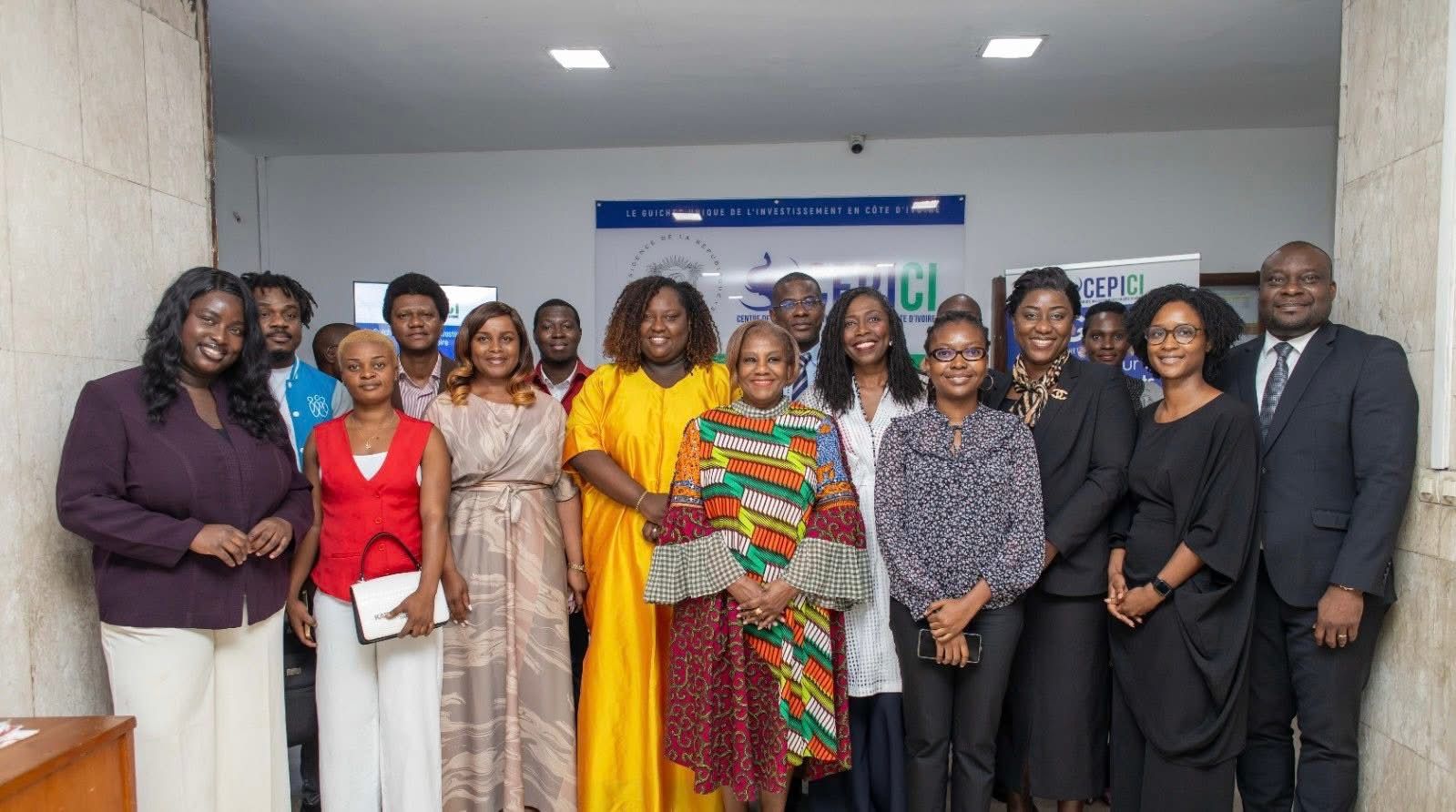
One window, five strategic sectors and a thousand women targeted, this is the bet launched on June 29, 2026 by the Center for the Promotion of Investments in Côte d'Ivoire (CEPICI) to transform female economic inclusion into a lever for industrial growth. A unique system for female entrepreneurship.
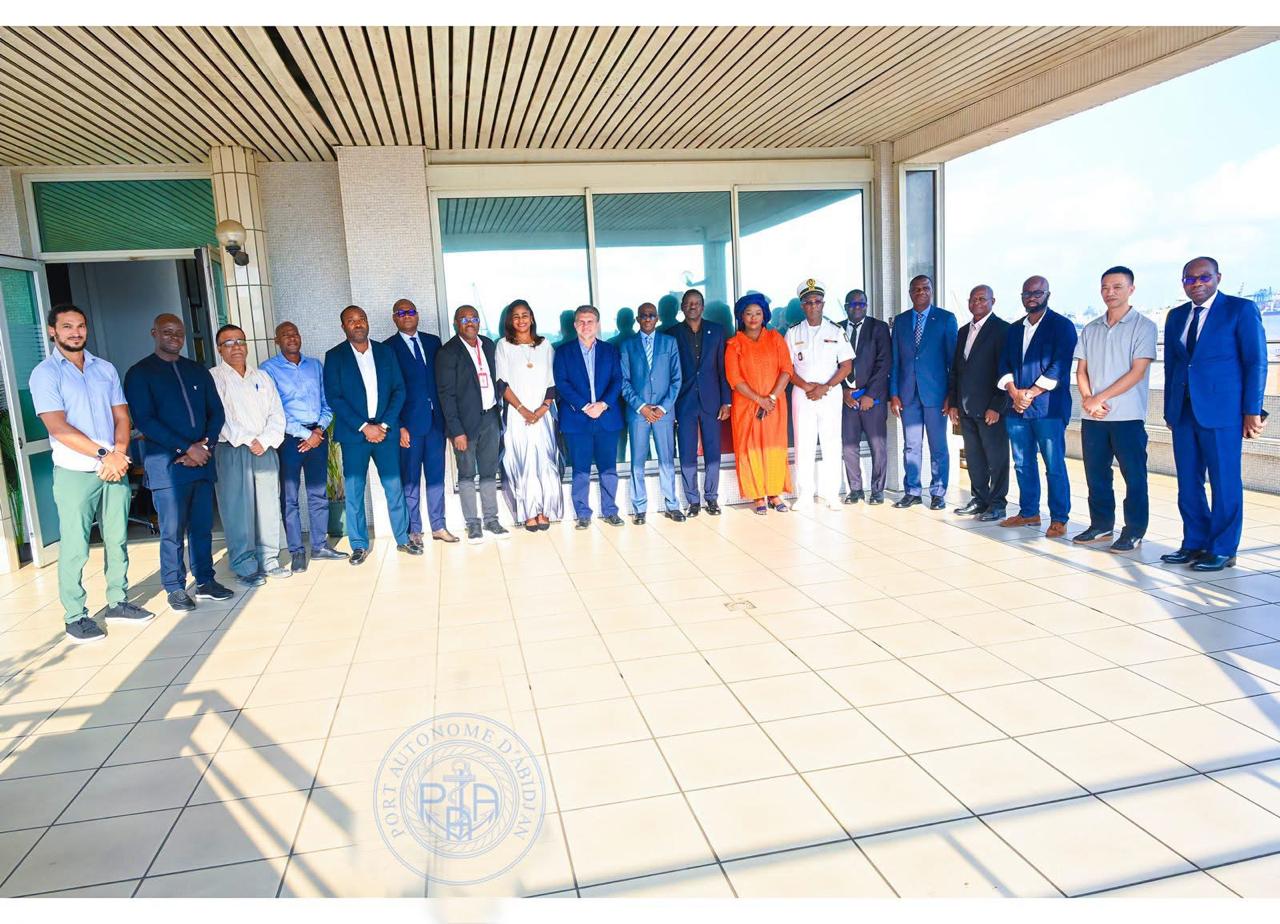
In a context of strong competition on the Ivorian cement market, marked in particular by the entry into the running of Dangote Cement, the Autonomous Port of Abidjan (PAA) and the Association of Cement Producers of Côte d'Ivoire (APCCI) have chosen to close their ranks. The Director General of the PAA, Kassoum Traoré,...
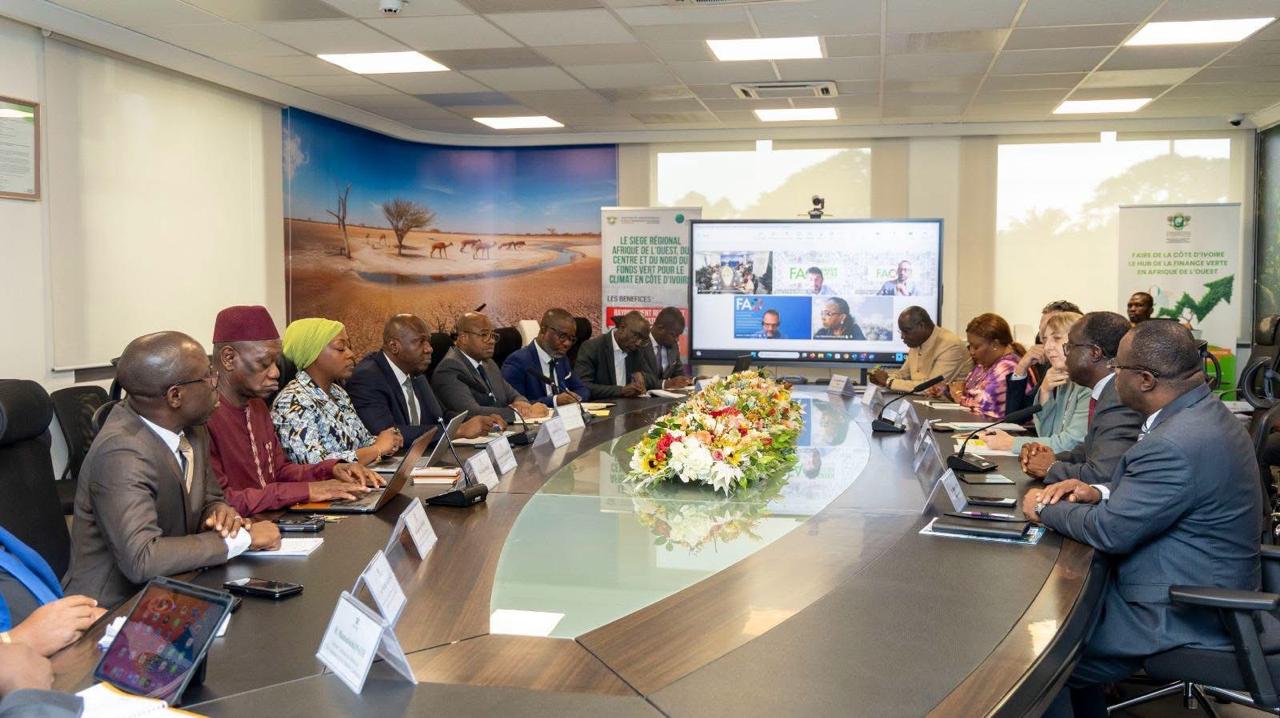
The ecological transition is no longer based solely on environmental policies. With the “Green Cities in Action for Africa” project, Côte d’Ivoire intends to mobilize international funding to sustainably transform its urban spaces and strengthen their capacity to adapt to climate risks. Receiving a delegation from the...
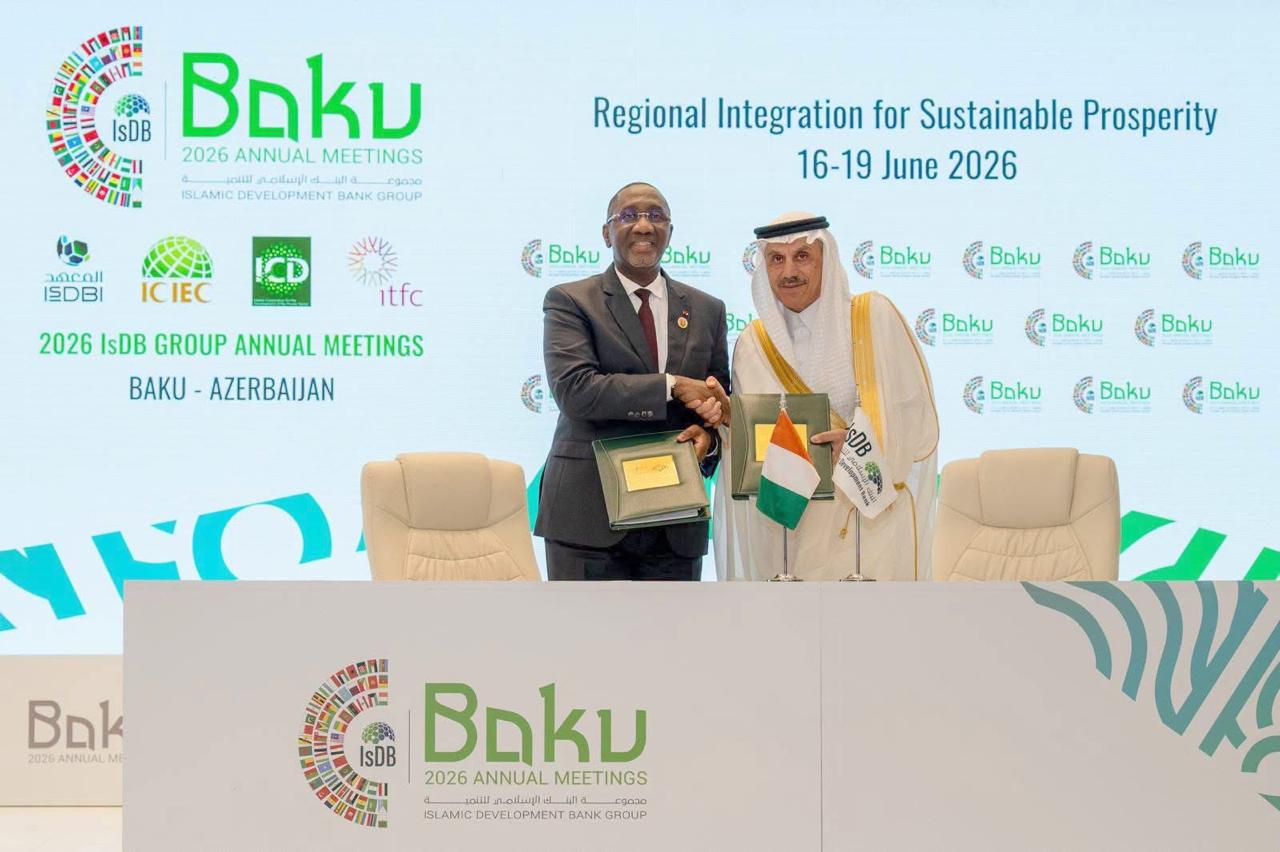
The Minister of Planning and Development, Dr Souleymane Diarrassouba, and the President of the Islamic Development Bank (IDB) Group, Dr Muhammad Sulaiman Al Jasser, signed a financing agreement of around 130 billion CFA francs, for the construction of the Tafiré-Ferkessédougou section, 60 kilometers long, on June 19, 2...
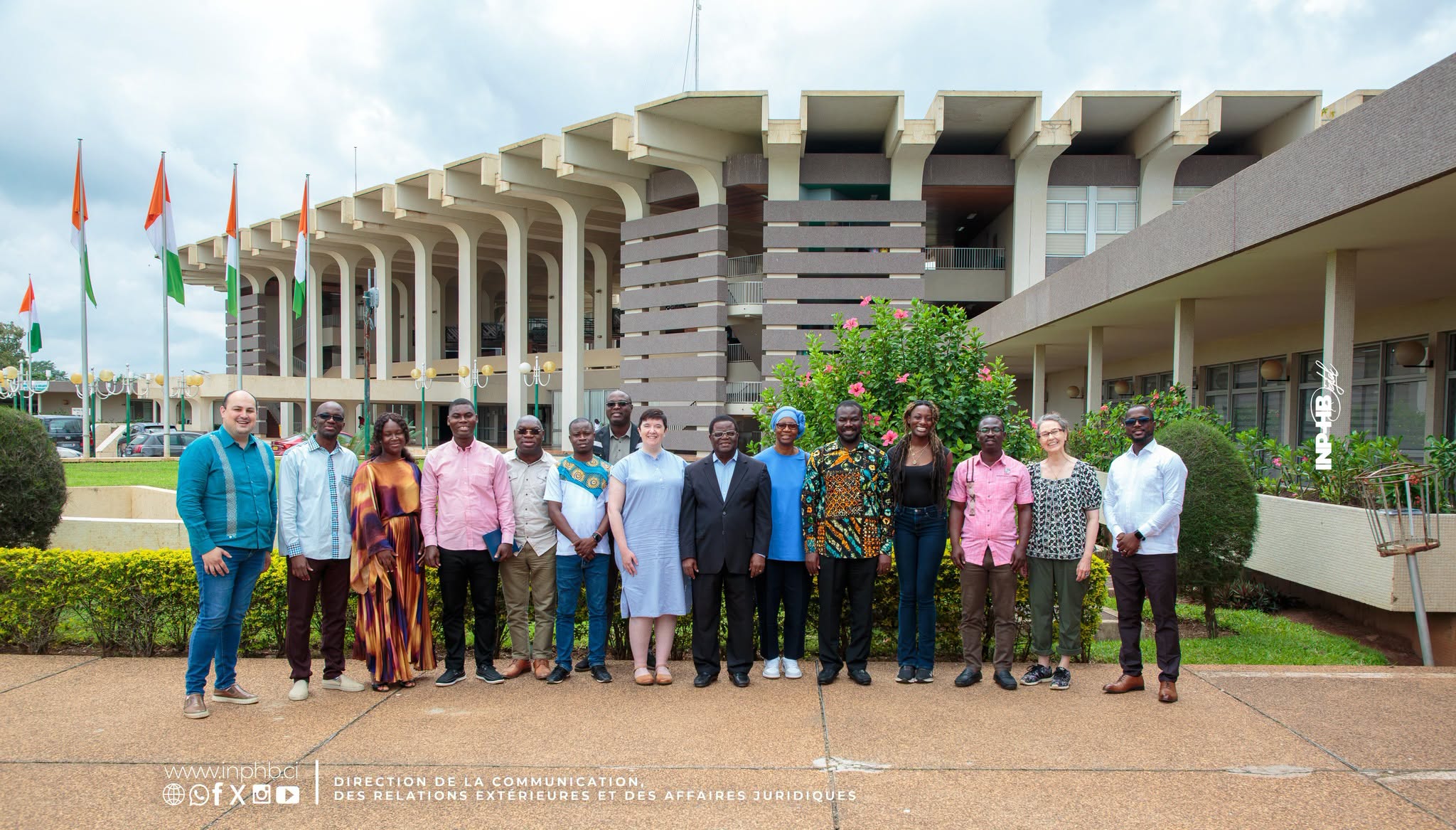
A delegation from Harvard University paid an official visit to the Institut National Polytechnique Félix Houphouët-Boigny (INP-HB) in Yamoussoukro on Thursday, June 18, 2026. This meeting opens the way to a large-scale academic and scientific collaboration around a research project on the effects of climate change on c...
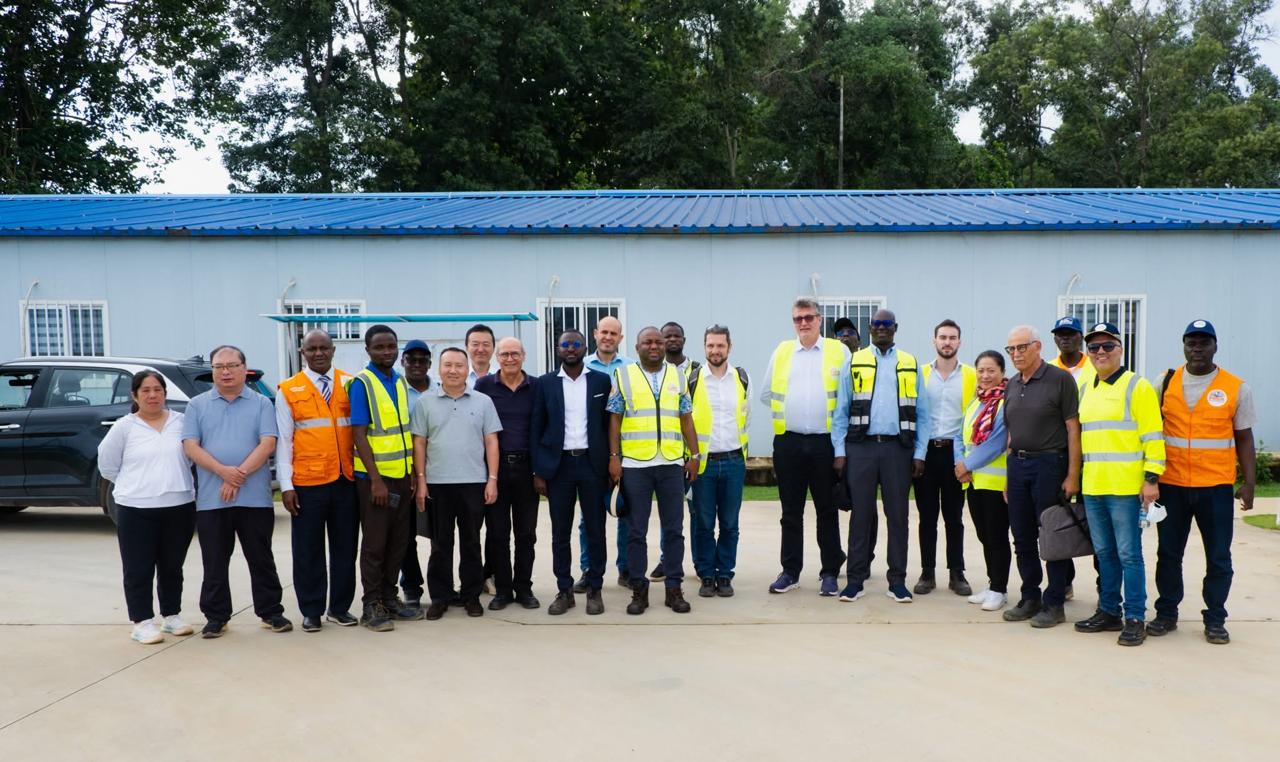
A joint delegation from the World Bank and the French Development Agency (AFD), accompanied by the Director General of the Urban Mobility Authority in Greater Abidjan (AMUGA), Romain Kouakou, and the main project stakeholders, recently made a field visit to the Yopougon-Bingerville Bus Rapid Transit (BRT) construction...
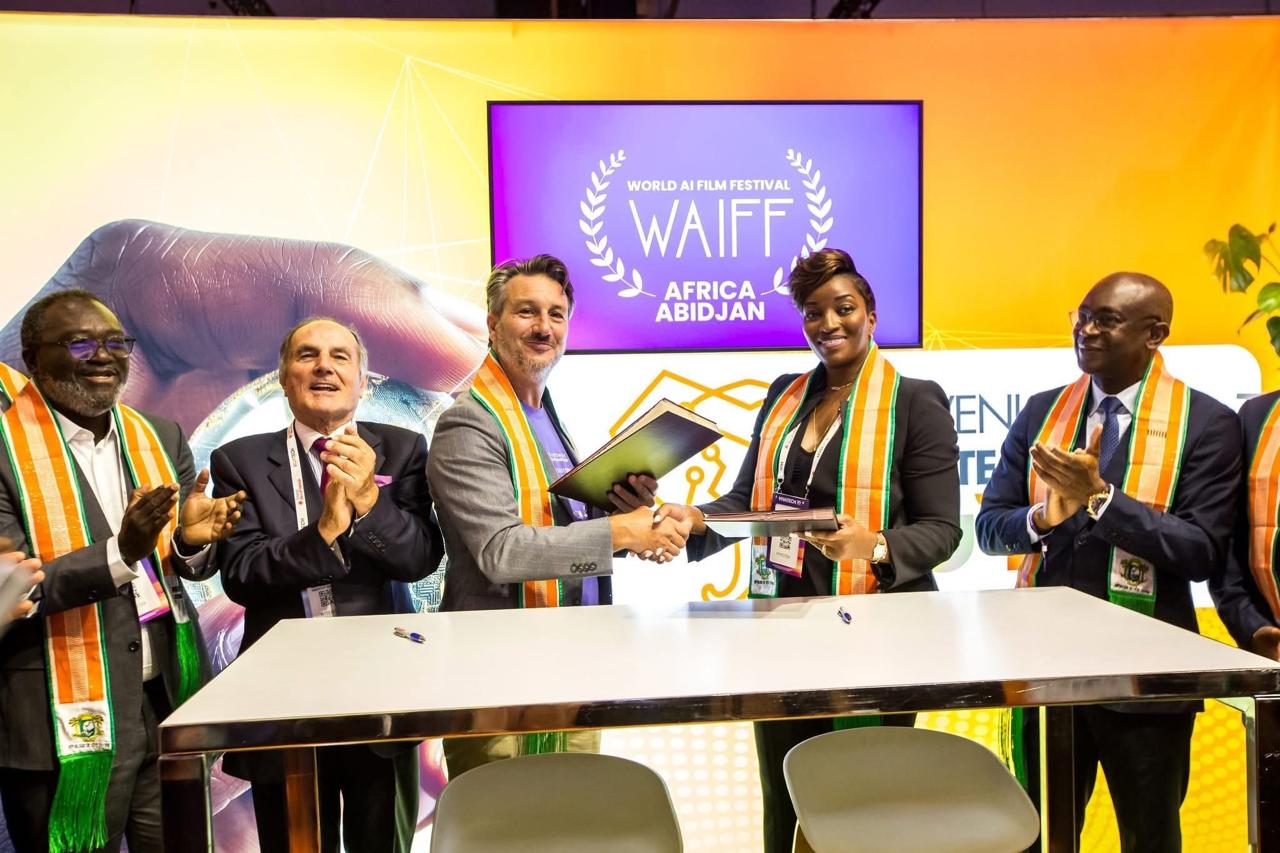
During the VivaTech 2026 exhibition, the Kaydan group signed an exclusive franchise agreement with the EuropIA Institute to organize the World AI Film Festival Africa (WAiFF Africa) in Abidjan in early 2027. A global event on artificial intelligence and creative industries that will propel the Ivorian metropolis to the...
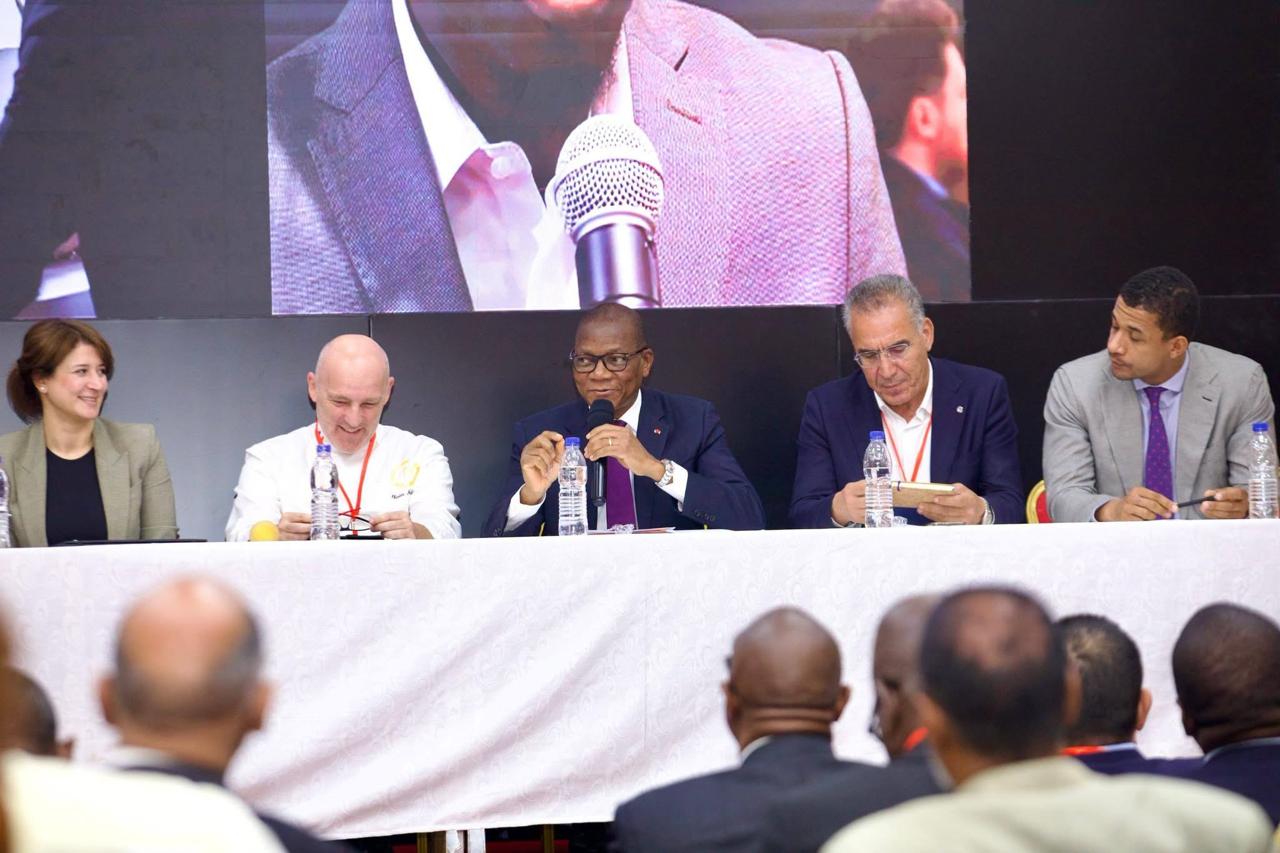
How to strengthen food sovereignty and increase the added value created by Ivorian agriculture? It is to this equation that Minister Bruno Nabagné Koné provided some answers by presenting the five projects considered essential to support the modernization of the sector and consolidate its contribution to the national e...
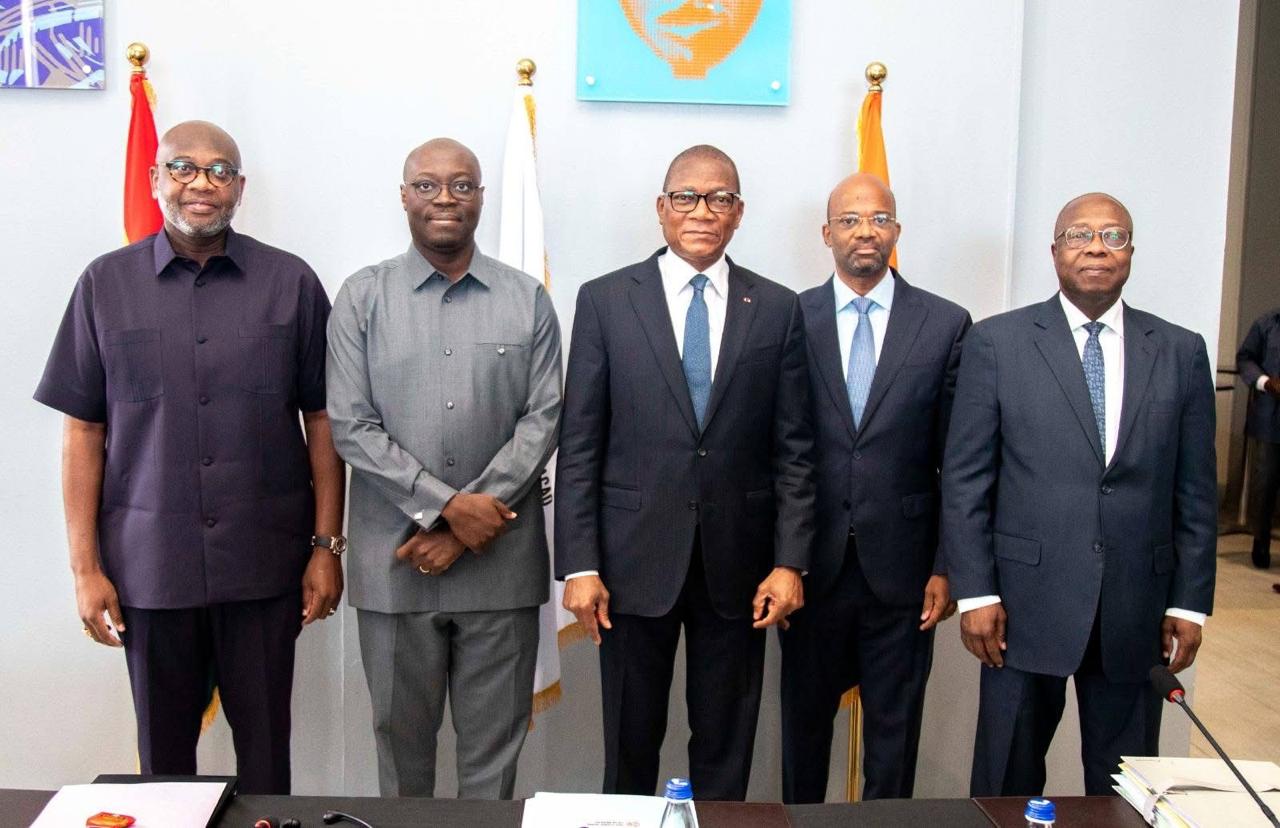
Ivory Coast and Ghana, which together control nearly two-thirds of global cocoa production, held the 7th meeting of their joint steering committee on June 15, 2026 in Abidjan. At the heart of the debates, improving producers' income and building a united front to exert greater influence on a global market that is still...
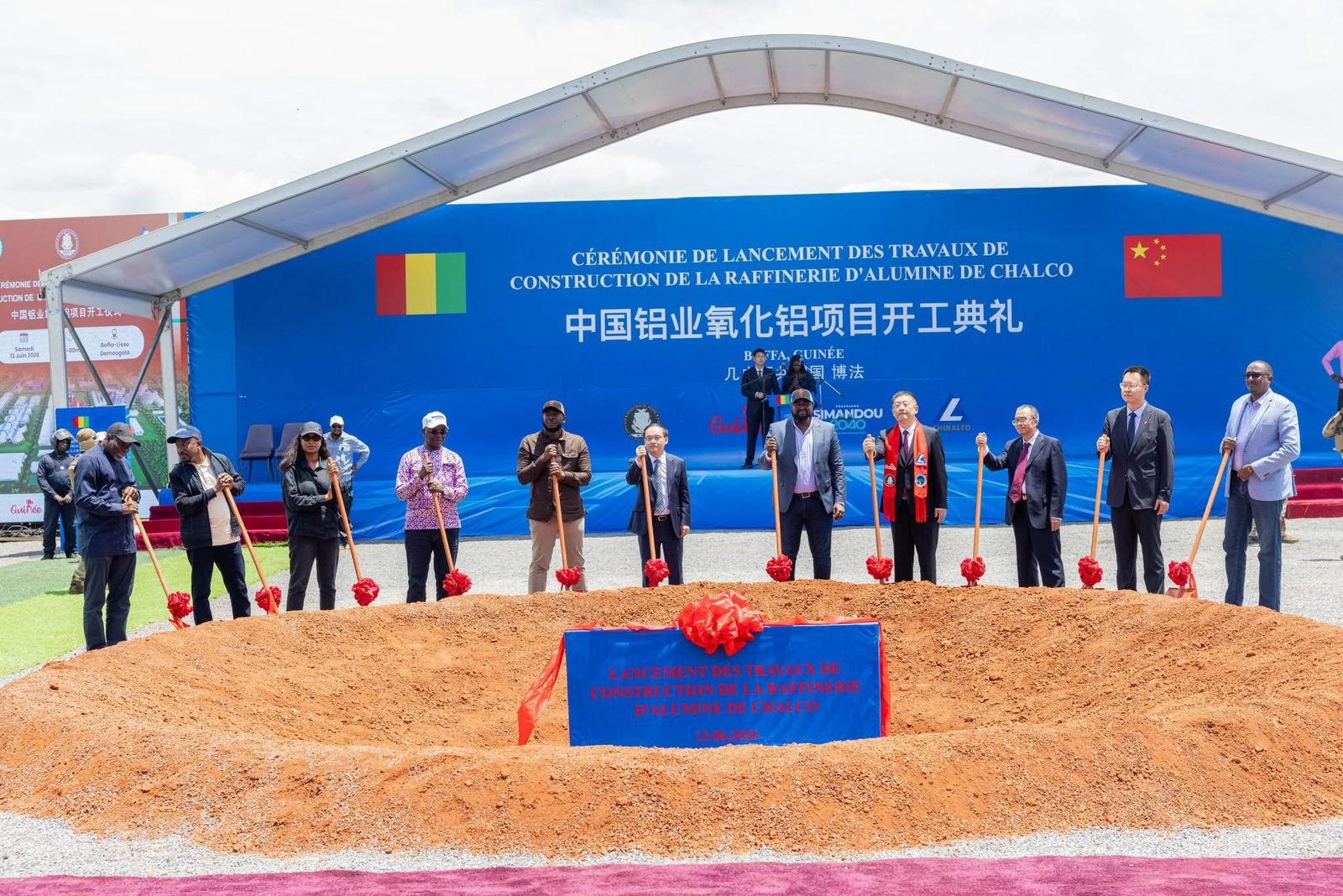
The Guinean State is taking a decisive step forward in its policy of local transformation of mineral resources. The signing of a strategic agreement with the Chinese giant Chalco Guinea Company for the construction of an alumina refinery in Boffa marks a key step in the realization of the Simandou 2040 program, which a...
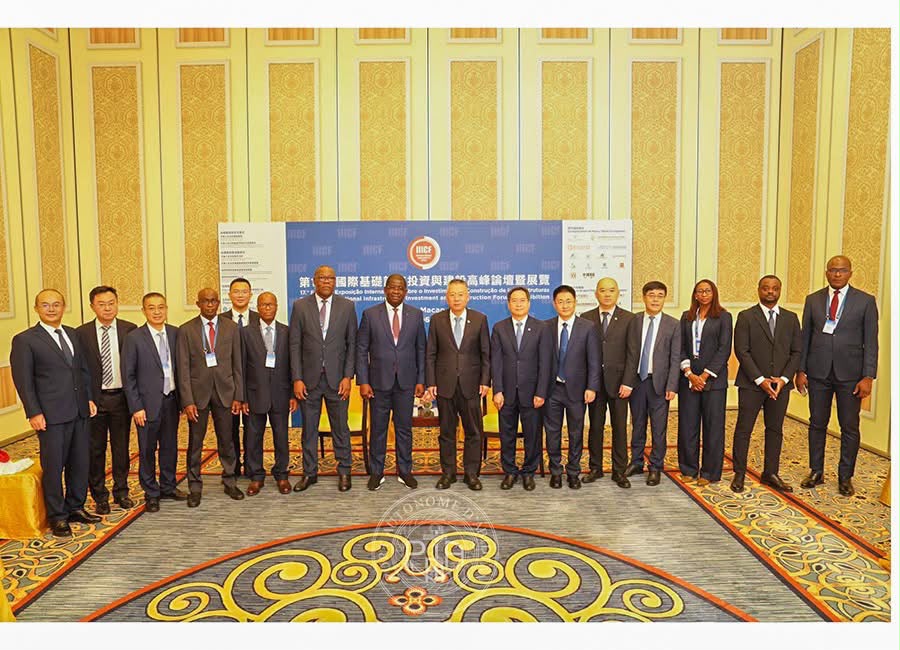
On the sidelines of the 17th International Forum on Investment and Construction of Infrastructure (IICF), which was held from June 10 to 12, 2026 in Macao, China, the Director General of the Autonomous Port of Abidjan (PAA), Kassoum Traoré, alongside the Minister of Infrastructure and Road Maintenance, Hien Yacouba Sié...
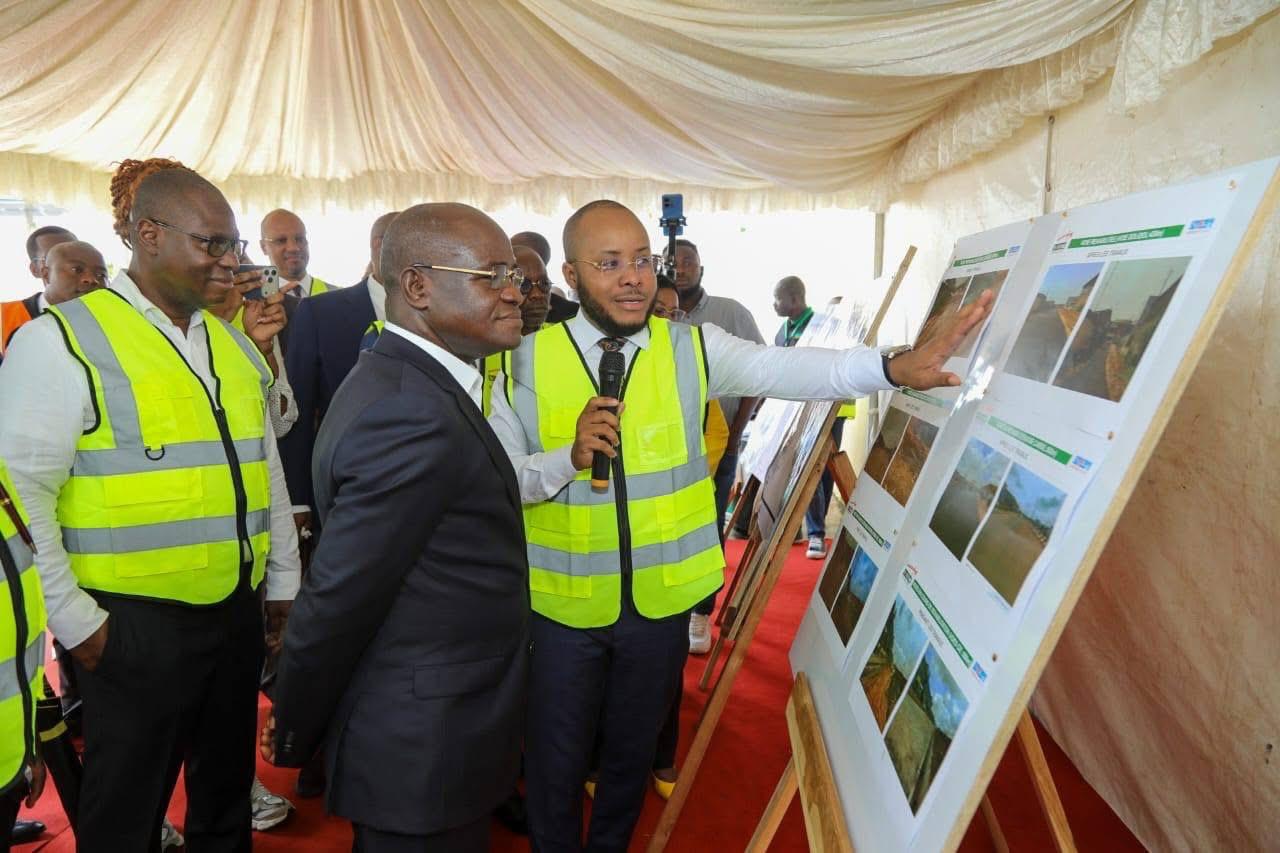
The Minister of Commerce, Industry and Crafts, Ibrahim Kalil Konaté, made a working visit to the industrial zone (ZI) of Yopougon, on Wednesday June 10, 2026. The objective was to assess the progress of the structuring projects carried out by the Universal Industrie group, whose investments reach nearly 200 billion CFA...
 English
 Français