 English
 Français

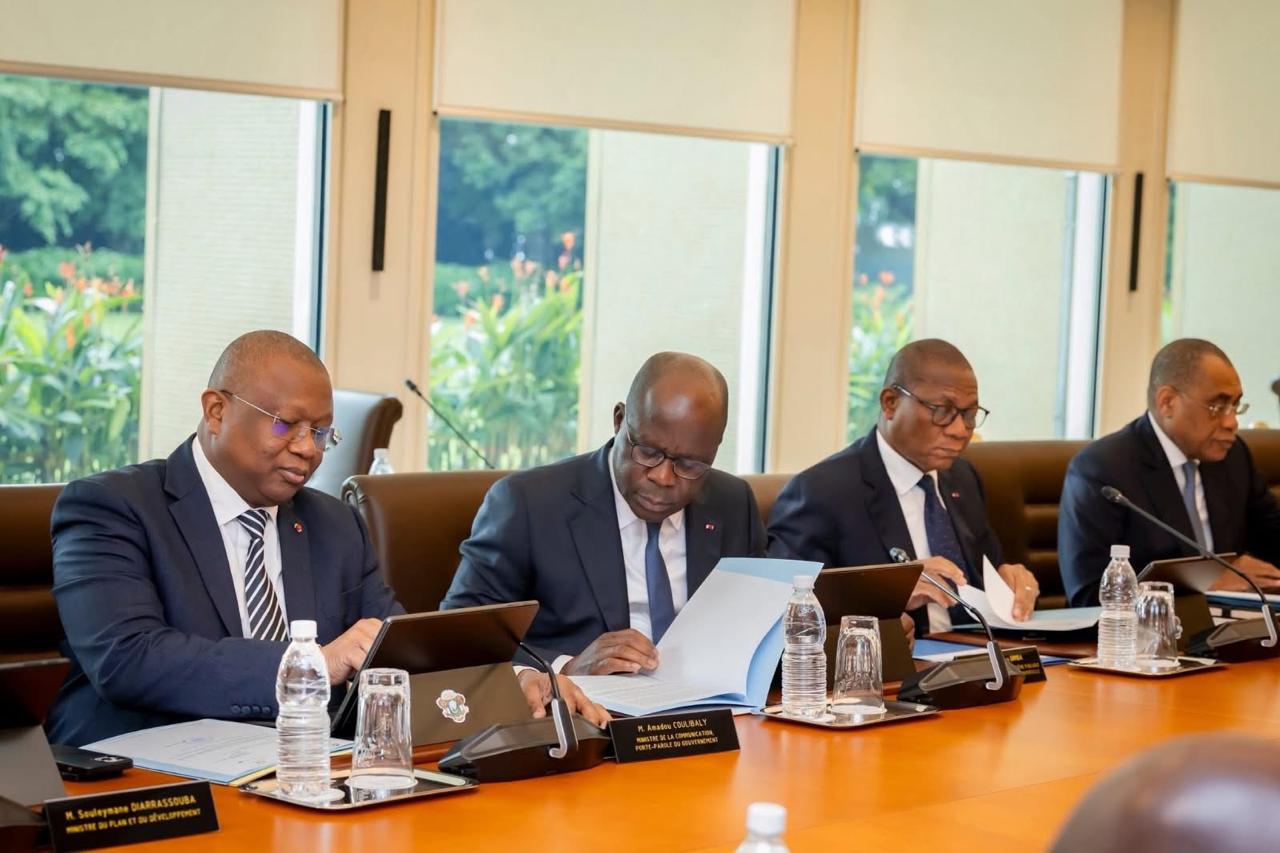
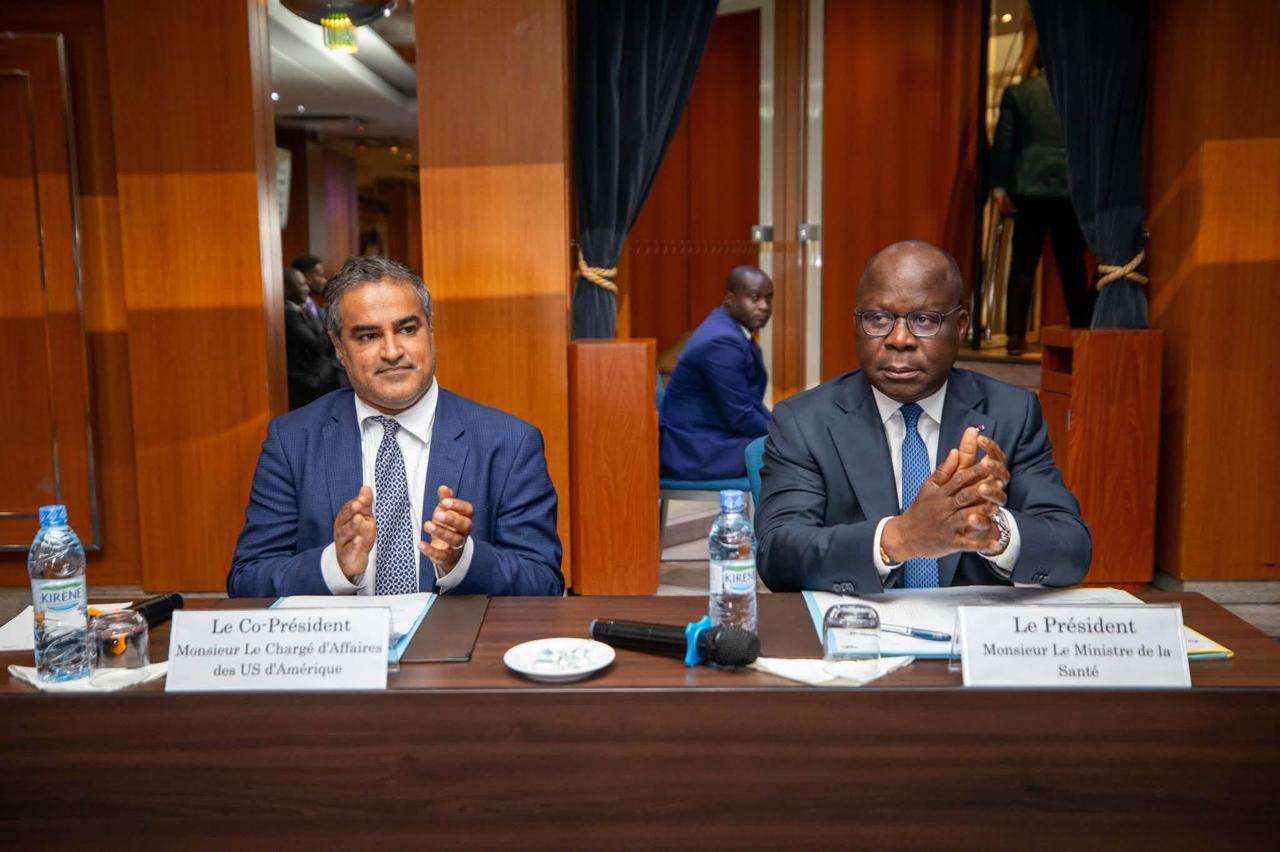
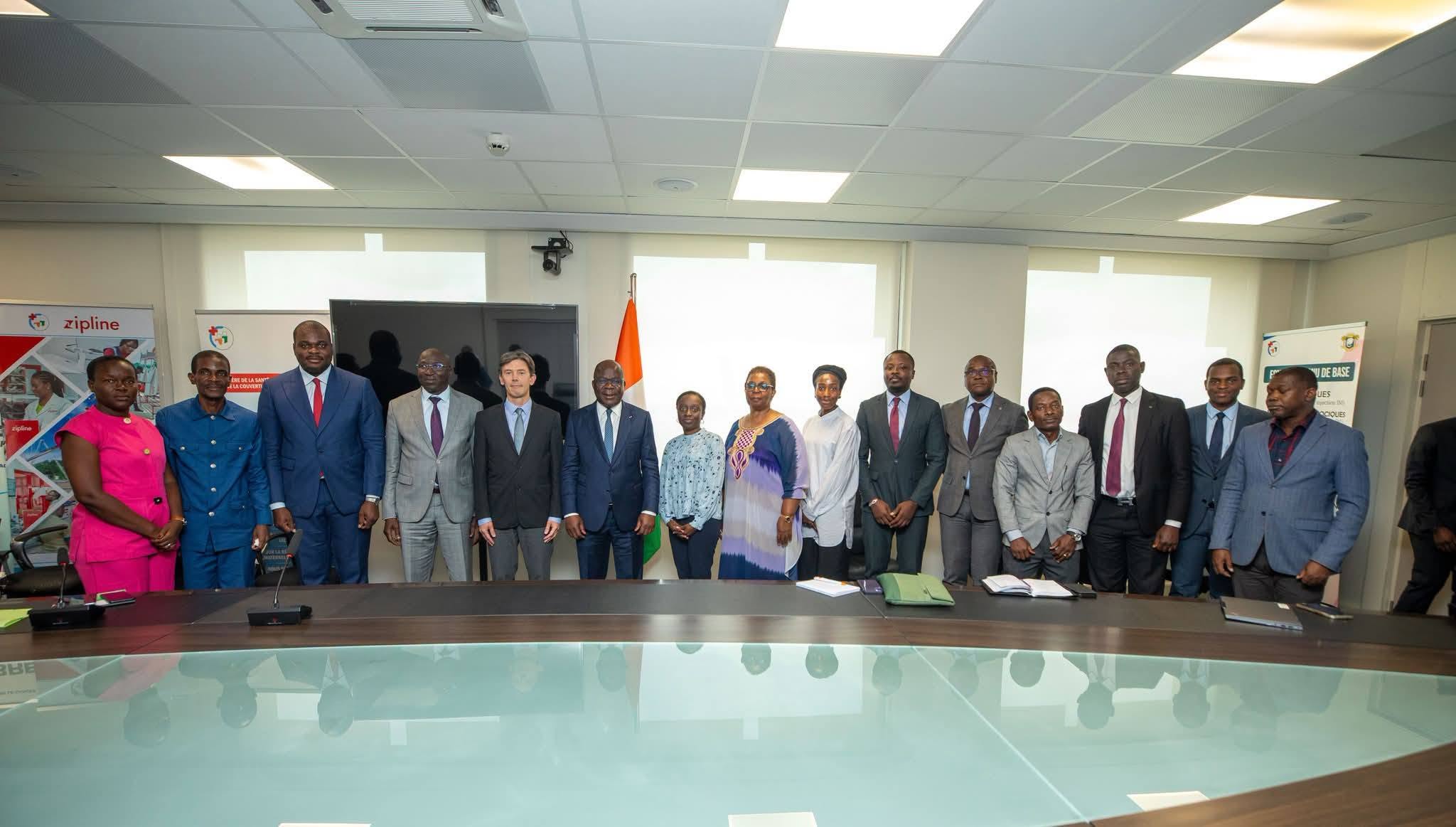
Côte d'Ivoire is strengthening its health system modernization program with financing of 124.979 billion CFA francs granted by the International Development Association, the concessional window of the World Bank Group. Meeting on Wednesday July 1, 2026 in Abidjan Plateau, the Government ratified three agreements signed on May 14, 2026, including two donations totaling $25 million, or 13.979 billion CFA francs, as well as a concessional loan of 169.5 million euros, representing just over 111 billion CFA francs. These resources will finance the second phase of the Multi-Phase Approach Program dedicated to health, nutrition and early childhood development. According to Government spokesperson Amadou Coulibaly, this program aims to improve the availability and quality of health services, while strengthening interventions in favor of women, children and vulnerable populations. This new phase accompanies the implementation of the Health Pact launched by the Ivorian authorities to sustainably modernize the health system.
An investment in the service of human capital
The resources mobilized will make it possible to consolidate Universal Health Coverage in order to expand access to care, build a new branch of the National Institute for Training of Health Workers to meet the growing needs for qualified personnel, improve the availability of essential health products through strengthening storage and transport capacities, as well as develop community interventions dedicated to nutrition, early stimulation, feeding young children and their learning. Beyond infrastructure, this financing responds to a human development issue. The World Bank estimates that investments made during the first years of life are among the most cost-effective for a country because of their lasting effects on health, educational performance and future productivity. UNICEF also recalls that malnutrition remains one of the main causes of death among children under five years of age and that it slows down their cognitive development.
For Côte d'Ivoire, this second phase therefore constitutes an opportunity to consolidate the reforms undertaken in the health sector, to improve nutrition indicators, to strengthen the skills of health professionals. health and to support the creation of human capital essential to the economic growth and industrial development of the country.