
12 result(s) for “Bouaké”
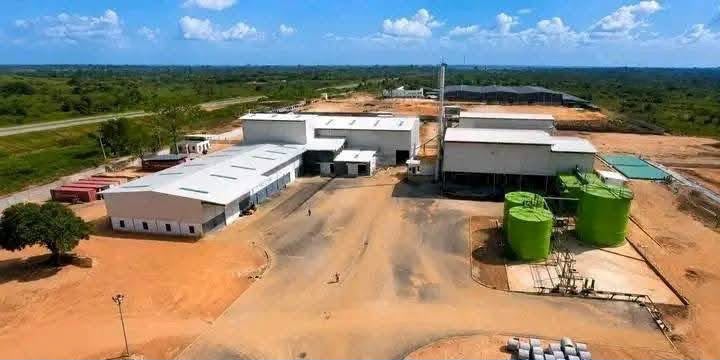
L'usine Beta Veg Oil a été officiellement inaugurée ce lundi 12 octobre 2026 à Kongodékro, près de Bouaké, dans le Gbêkê. Le Gouvernement, le corps préfectoral et les autorités coutumières étaient présents. L'unité se présente comme la plus grande installation d'extraction par solvant de karité et de soja du pays. Elle...
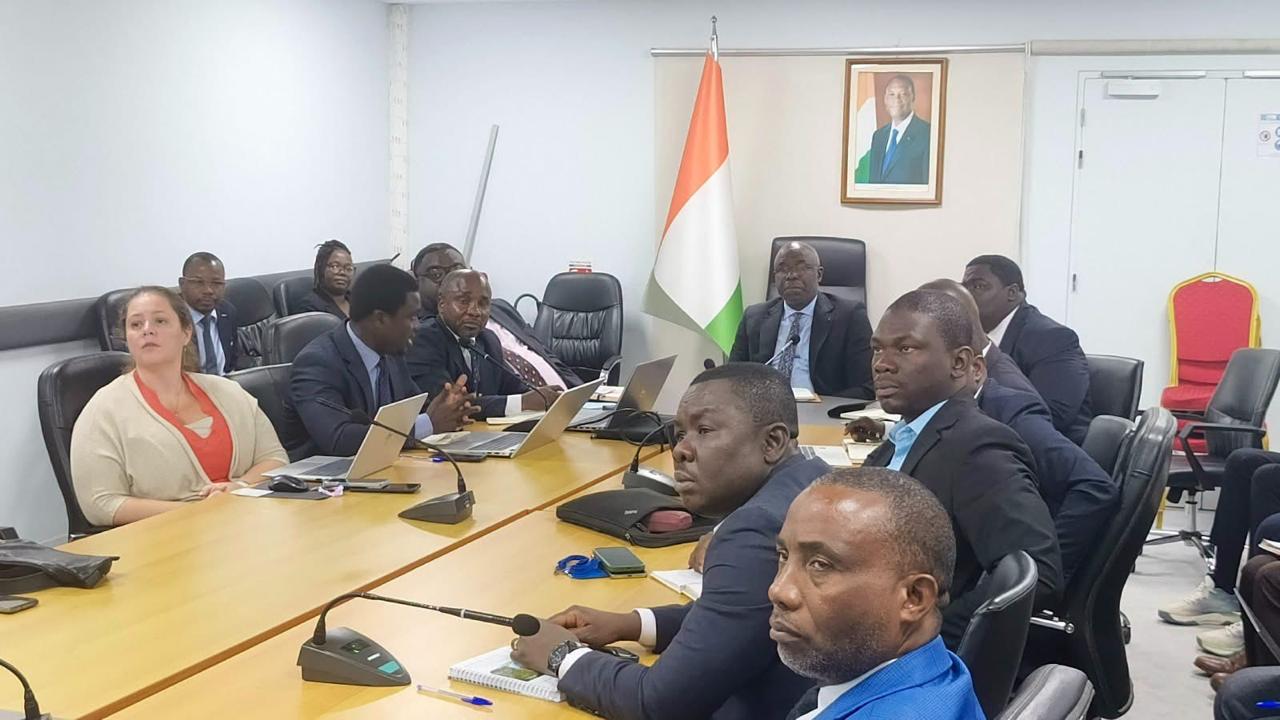
Le Ministère des Transports et des Affaires maritimes a accueilli à Abidjan, jeudi 8 octobre 2026, la restitution de l'étude d'Avant-Projet Sommaire (APS) de la plateforme logistique de Bouaké. Présentée par le BNETD, elle ouvre la voie à l'Avant-Projet Détaillé d'un chantier stratégique pour le Centre du pays.
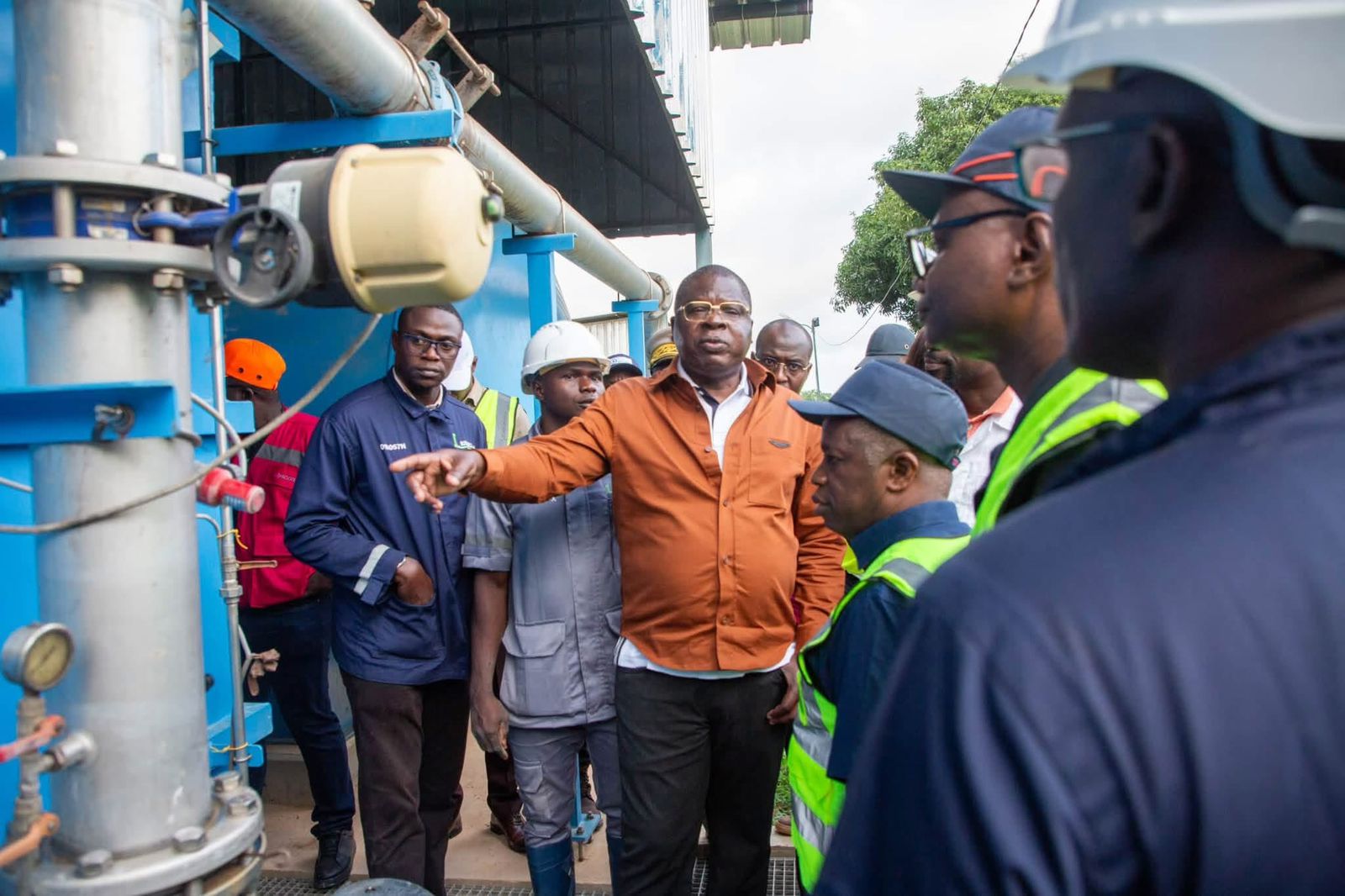
Le Ministre de l'Hydraulique, de l'Assainissement et de la Salubrité, Dr Amédé Koffi Kouakou, a effectué récemment une visite de terrain dans le Gbêkê et le Hambol. Entre satisfaction technique et mise en garde, le ton était donné.
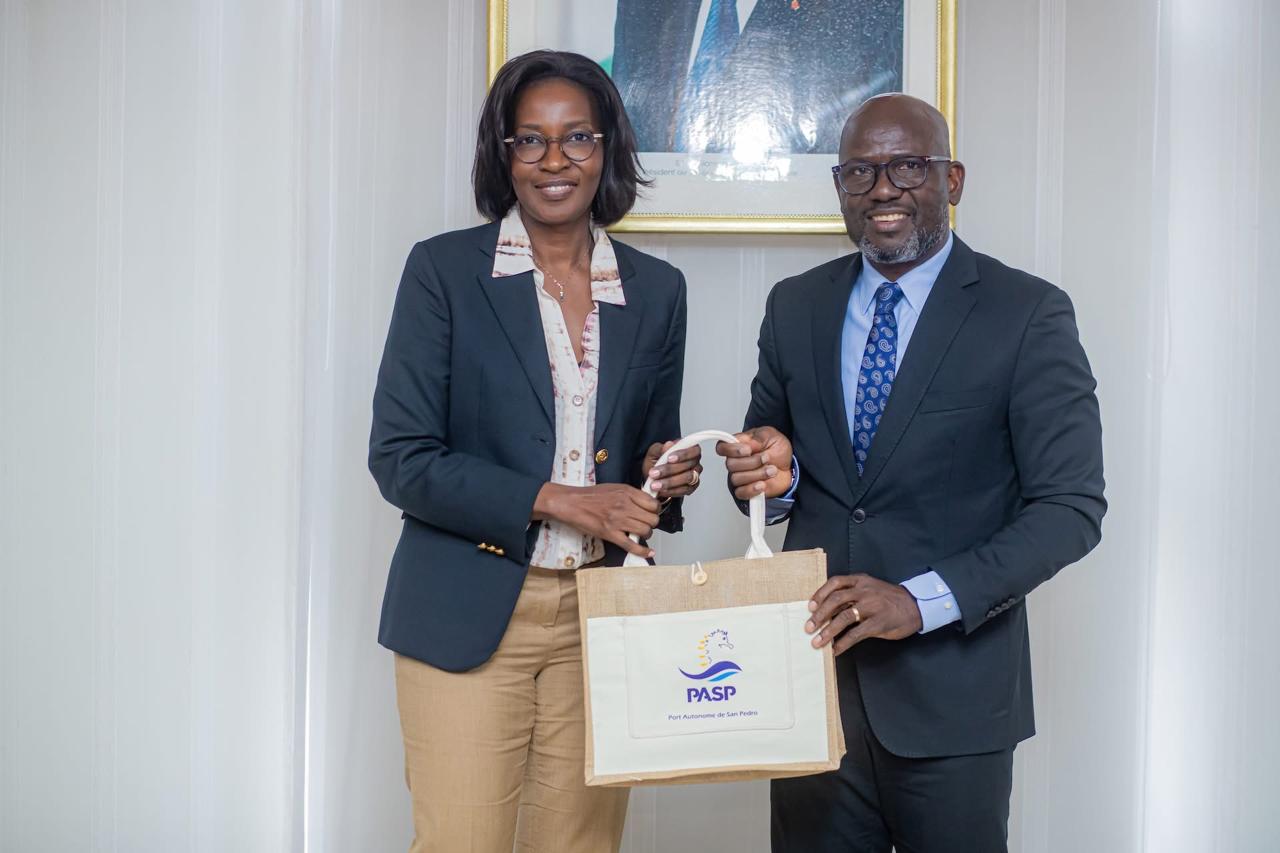
La Direction Générale du Port Autonome de San Pedro a reçu une délégation d'Africa Global Logistics (AGL) conduite par sa Directrice régionale, Asta Rosa Cissé, il y a quelques jours. Sous la présidence du Directeur général par intérim du port, Pascal Dally, les responsables d'AGL ont dévoilé leur stratégie 2027-2030 p...
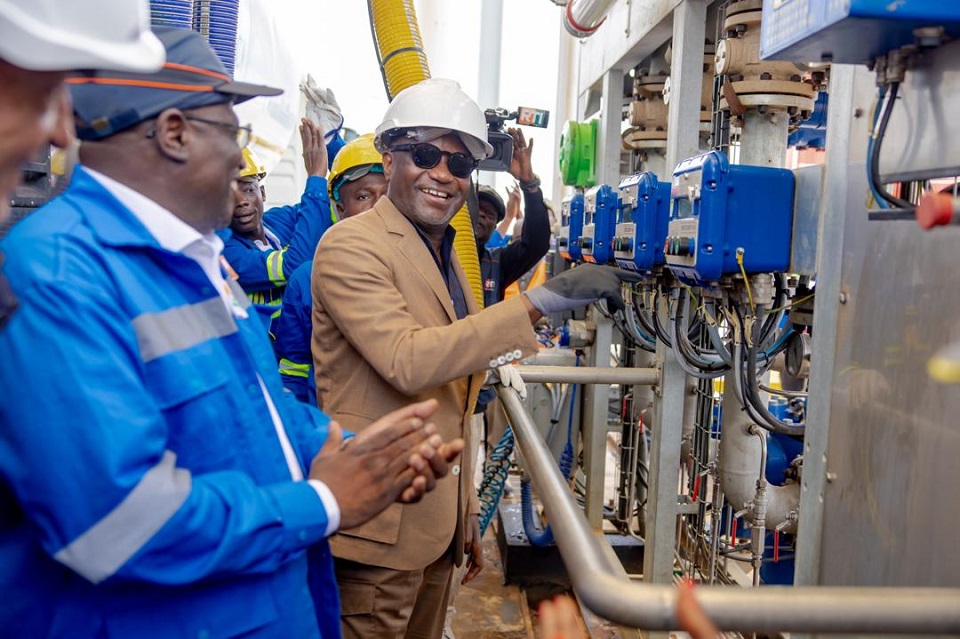
Le Ministre des Mines, du Pétrole et de l'Énergie, Mamadou Sangafowa Coulibaly, a mis en service le bac R14 de 20 000 m³ de gasoil et le premier poste ivoirien de chargement en source des camions-citernes de la GESTOCI, le 24 juillet 2026. Cette double infrastructure porte la capacité totale du dépôt à 100 700 m³.
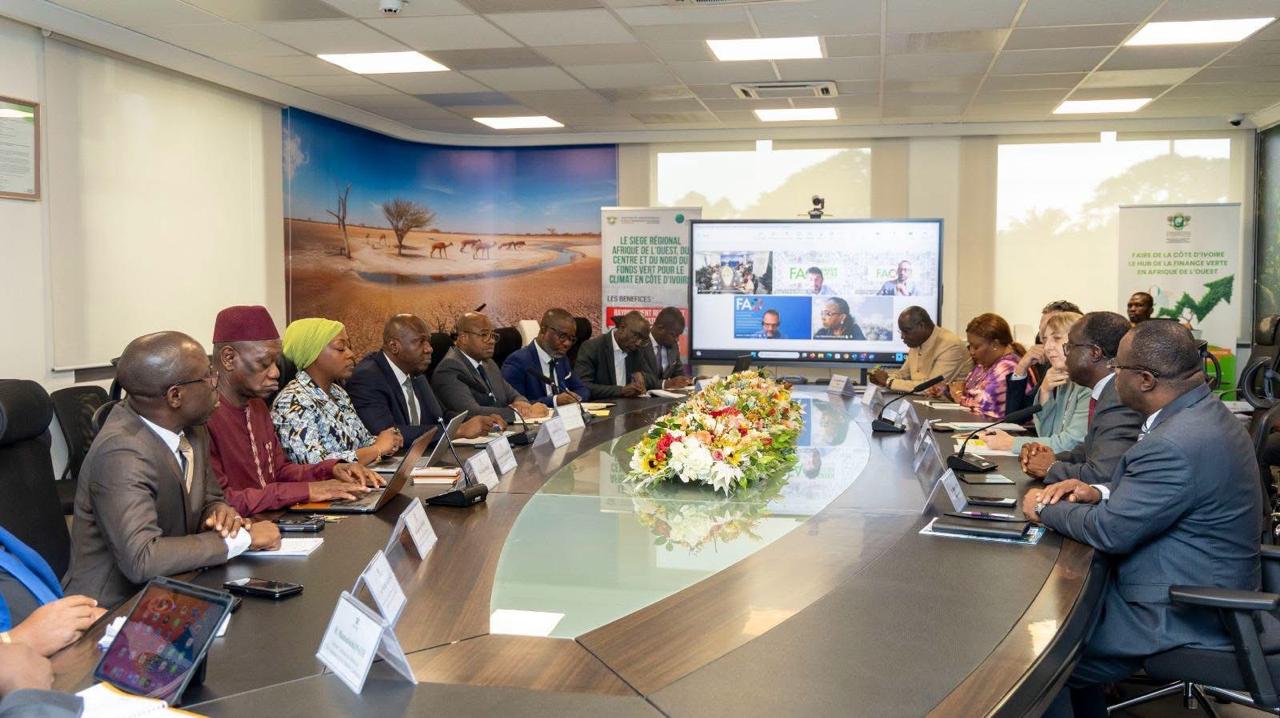
La transition écologique ne repose plus uniquement sur des politiques environnementales. Avec le projet « Green Cities in Action for Africa », la Côte d'Ivoire entend mobiliser des financements internationaux pour transformer durablement ses espaces urbains et renforcer leur capacité d'adaptation aux risques climatique...

La Côte d'Ivoire s'apprête à écrire une page inédite de son histoire ferroviaire contemporaine. Inscrit dans le Programme national de développement (PND 2026-2030), un projet de Train à Grande Vitesse (TGV) reliant Abidjan à Ferkessédougou sur 640 kilomètres figure parmi les infrastructures phares du pays. Estimé à 1 0...
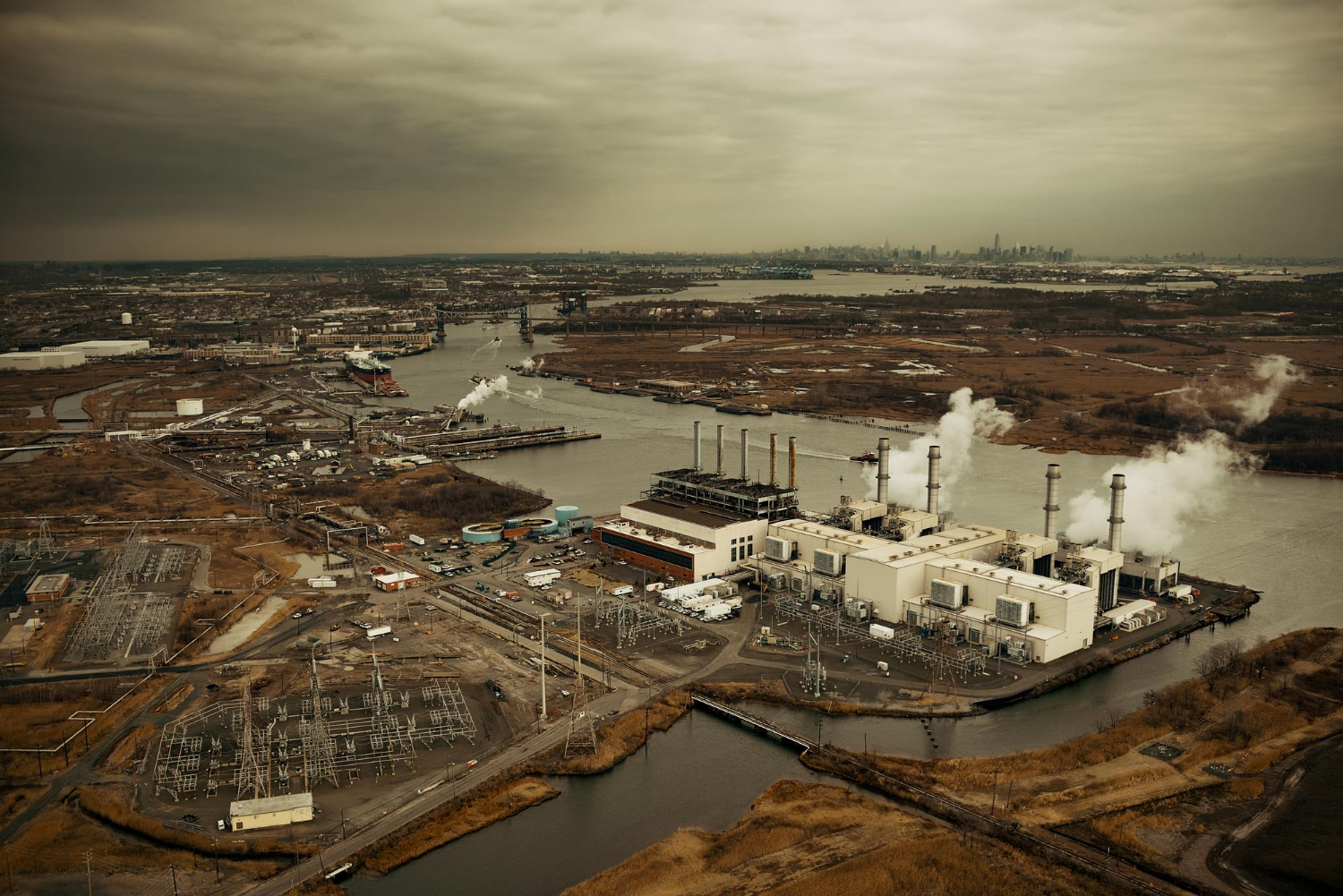
Le coup d'envoi de l'étude de faisabilité de la Zone Logistique et Industrielle de Bouaké (ZLIB) a été officiellement donné début mai. Pensé comme un levier de transformation économique, ce projet ambitieux s'inscrit dans le Programme National de la Logistique 2026-2040, doté d'une enveloppe colossale de 9 800 milliard...
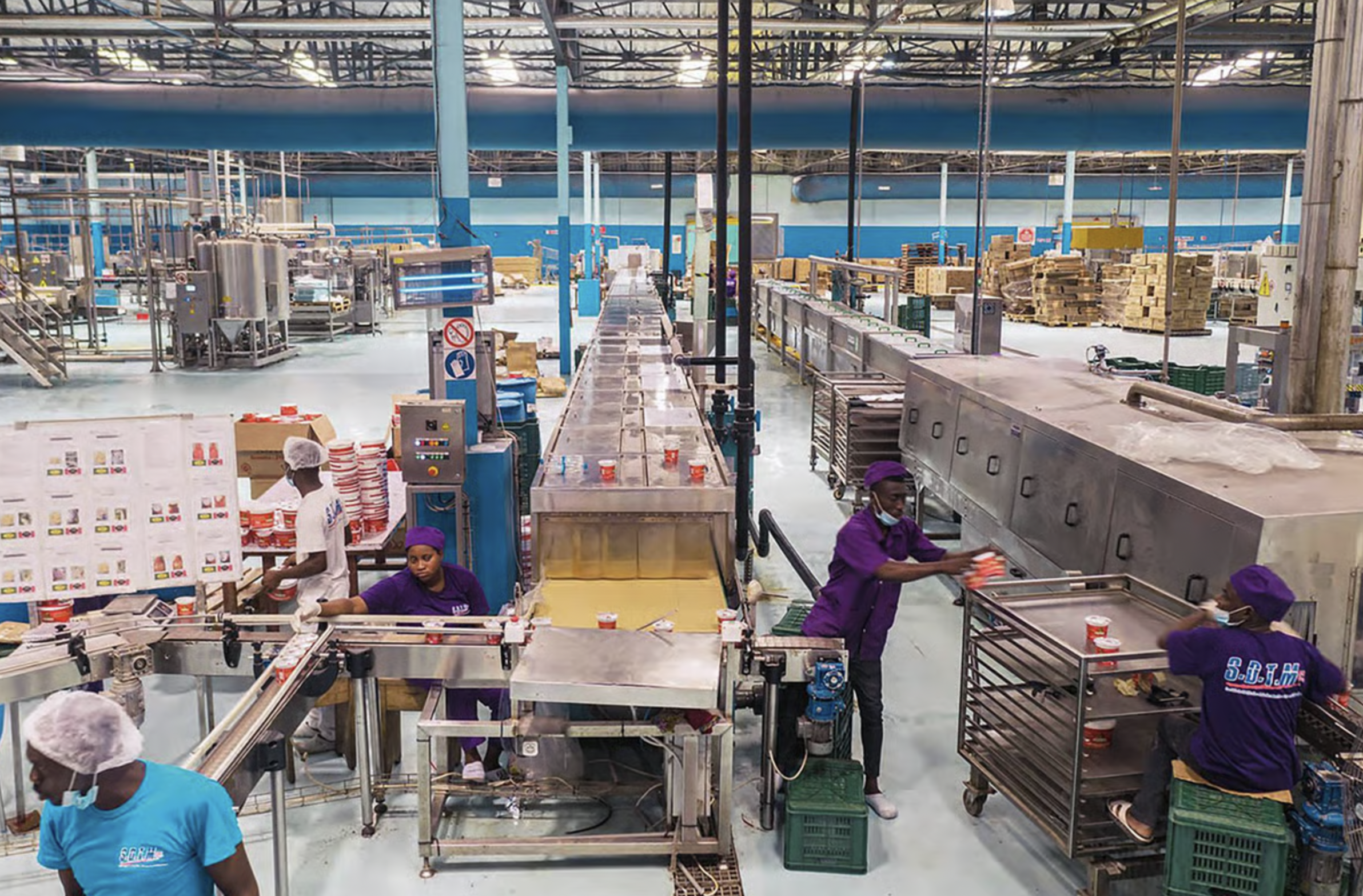
L'industrie ivoirienne vit une montée en puissance inédite. Avec un chiffre d'affaires sectoriel en hausse de 25% à fin juin 2025 et une contribution de 22,7% au PIB en 2024, le pays s'appuie sur un tissu d'usines diversifié (du cacao au ciment, en passant par les hydrocarbures) pour transformer ses matières premières...
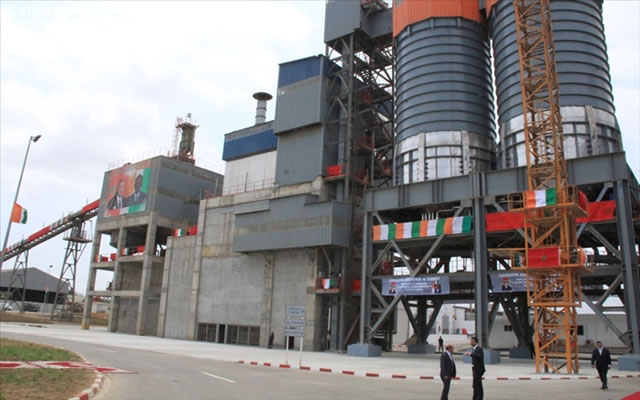
La Côte d’Ivoire accélère sa mue industrielle en structurant le territoire autour d’une constellation de zones dédiées à l’usine, longtemps concentrées autour d’Abidjan et désormais étendues vers l’intérieur du pays. De la vieille zone de Koumassi à la nouvelle plateforme d’Akoupé-Zeudji PK24, en passant par Yopougon,...
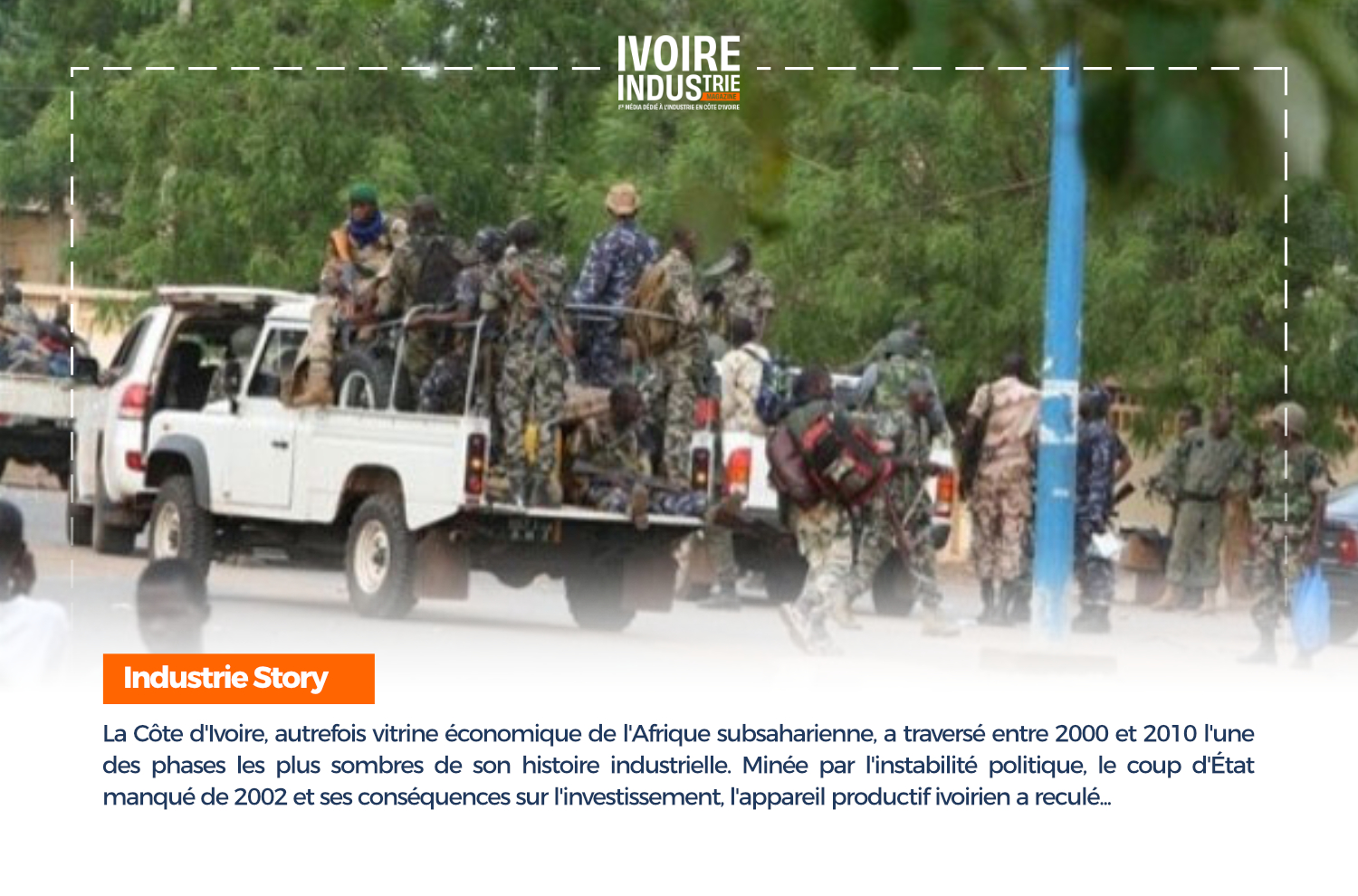
La Côte d'Ivoire, autrefois vitrine économique de l'Afrique subsaharienne, a traversé entre 2000 et 2010 l'une des phases les plus sombres de son histoire industrielle. Minée par l'instabilité politique, le coup d'État manqué de 2002 et ses conséquences sur l'investissement, l'appareil productif ivoirien a reculé, lais...
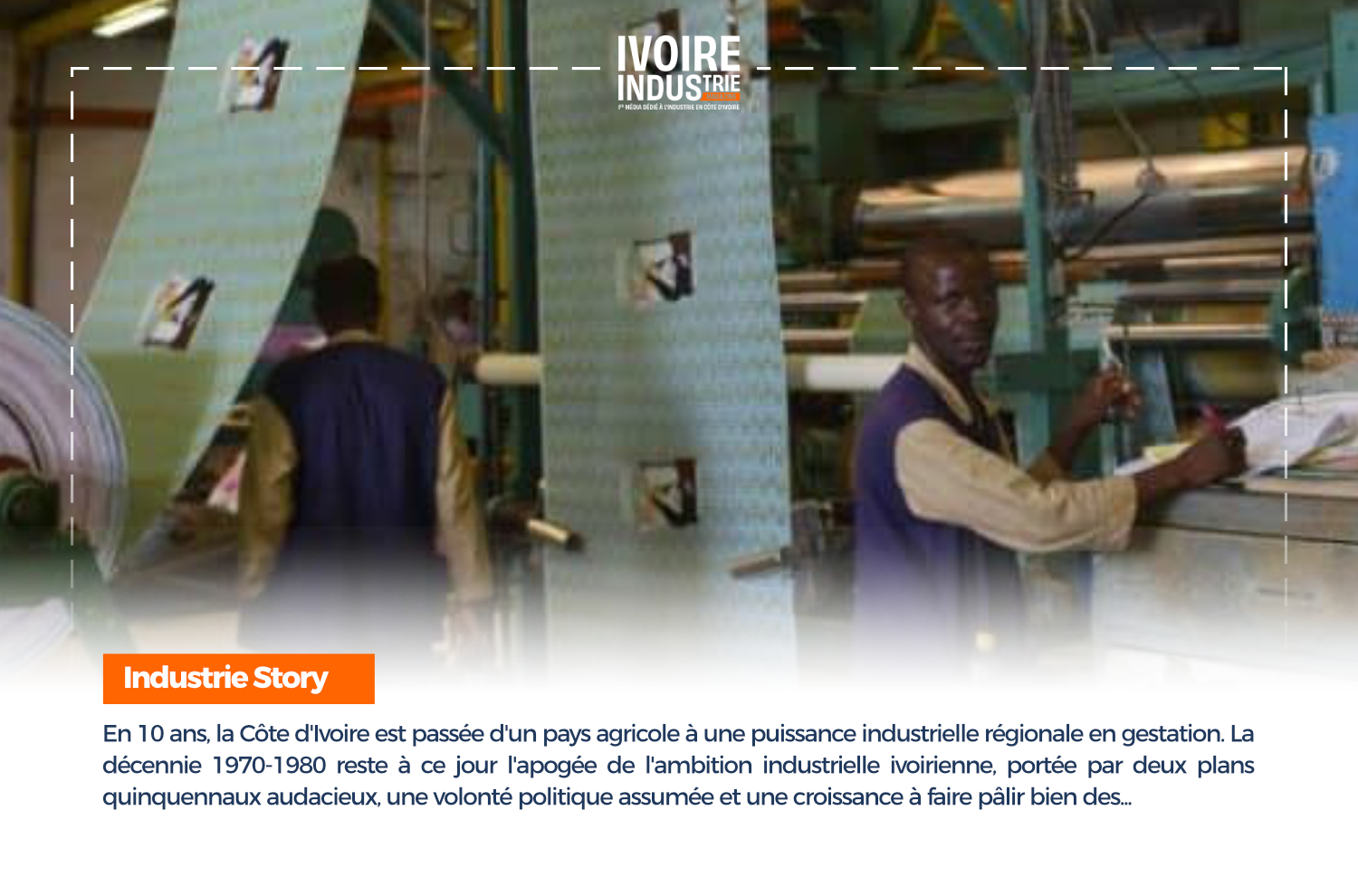
En 10 ans, la Côte d'Ivoire est passée d'un pays agricole à une puissance industrielle régionale en gestation. La décennie 1970-1980 reste à ce jour l'apogée de l'ambition industrielle ivoirienne, portée par deux plans quinquennaux audacieux, une volonté politique assumée et une croissance à faire pâlir bien des économ...
 English
 Français