

224 result(s) for “Banque Islamique de Développement”
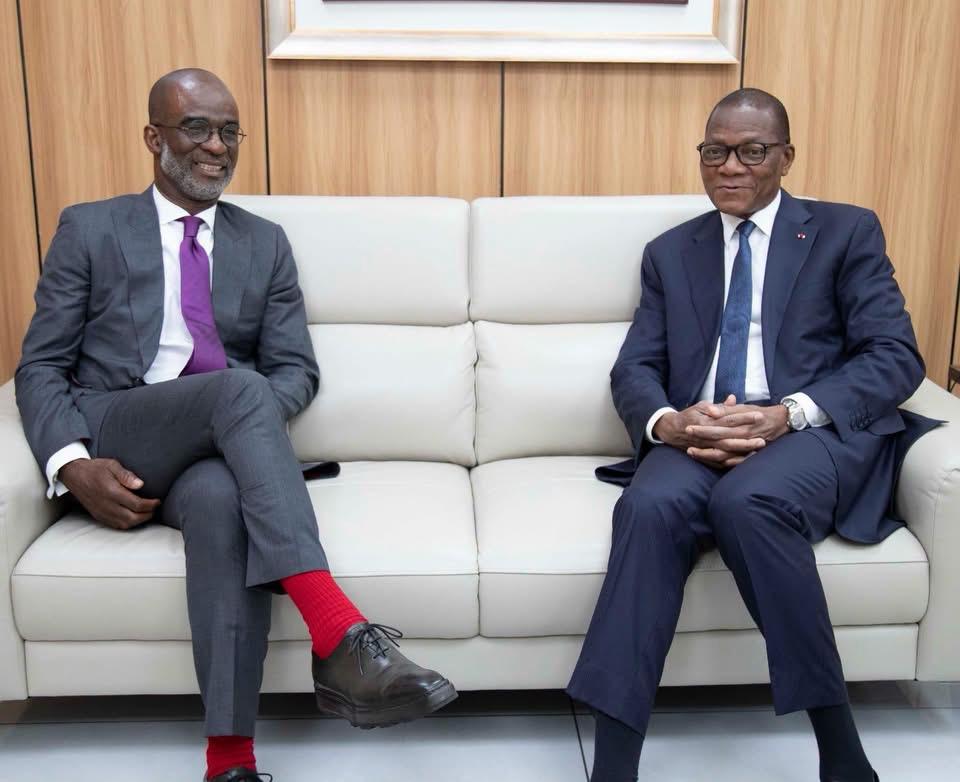
Le Ministre de l'Agriculture, du Développement Rural et des Productions Vivrières, Bruno Nabagné Koné a accordé récemment une audience à Stanislas Zézé, PDG de Bloomfield Investment Corporation, pour examiner un projet d'intelligence économique sur les opportunités et risques d'investissement dans le secteur agricole i...
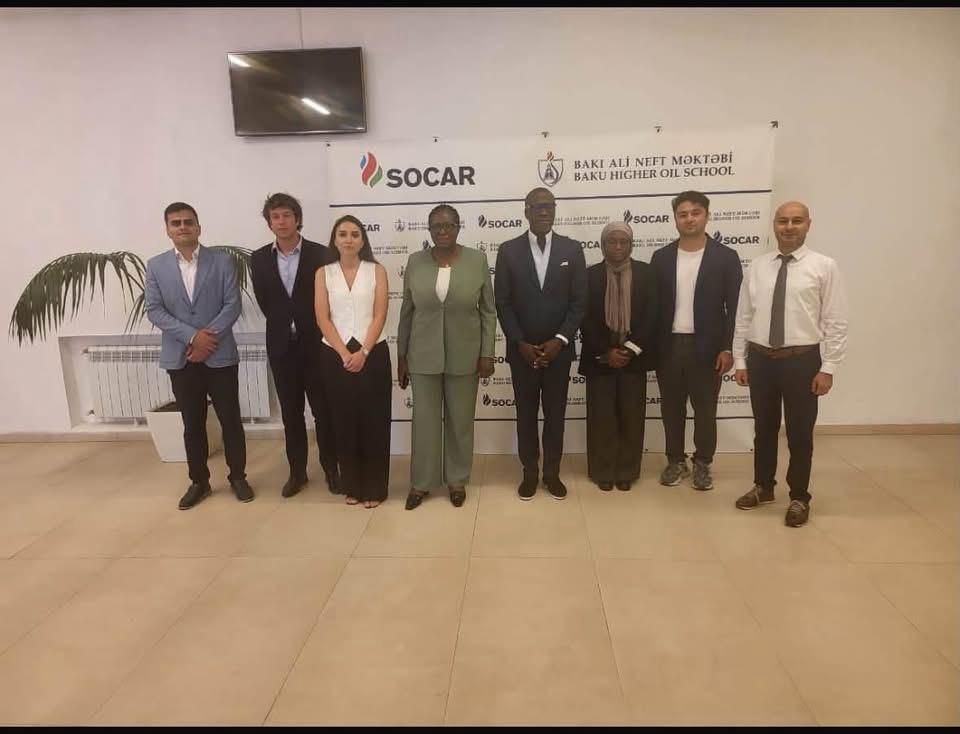
Une délégation de PETROCI HOLDING conduite par sa Direction Générale a effectué une mission de travail à Bakou, en République d'Azerbaïdjan, sur invitation de SOCAR et de sa filiale SOCAR Trading, il y a quelques jours. Cette visite marque une étape clé dans la stratégie d'internationalisation de la compagnie pétrolièr...
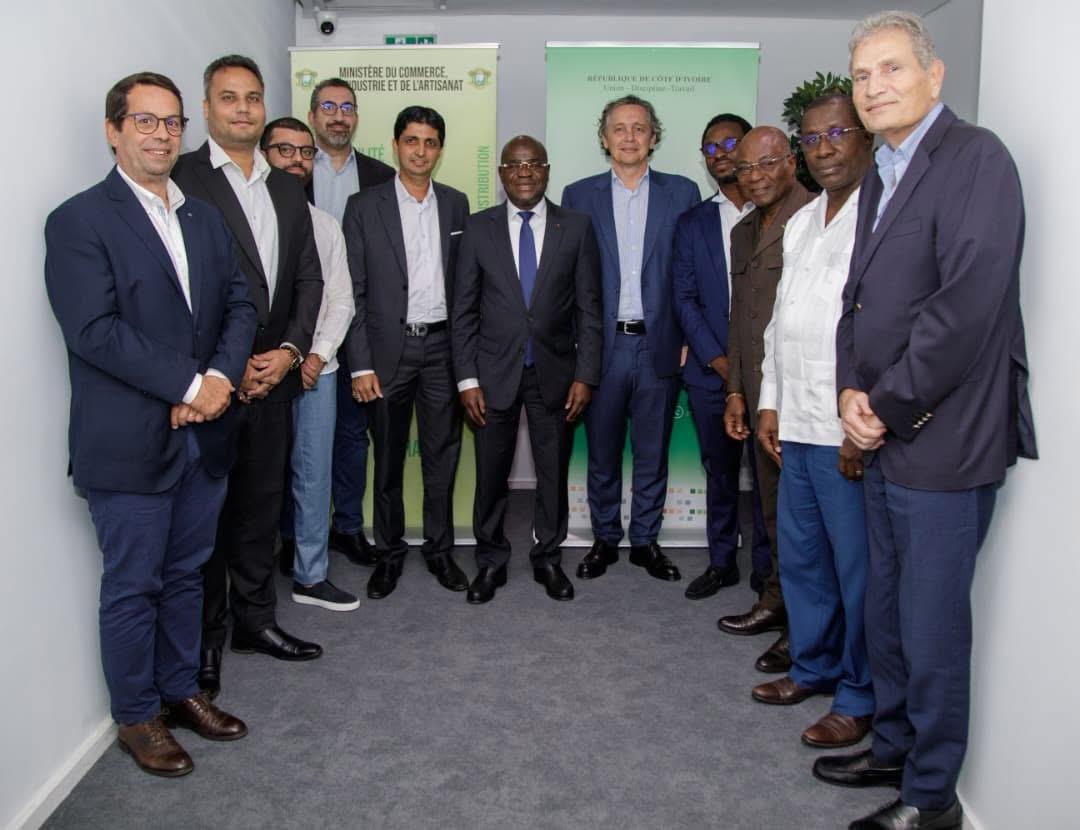
L'Association des Producteurs d'Acier de Côte d'Ivoire (APACI) a été reçue récemment par le Ministre du Commerce, de l'Industrie et de l'Artisanat, Ibrahim Kalil Konaté. Au menu des échanges, les difficultés opérationnelles rencontrées par les industriels du secteur.
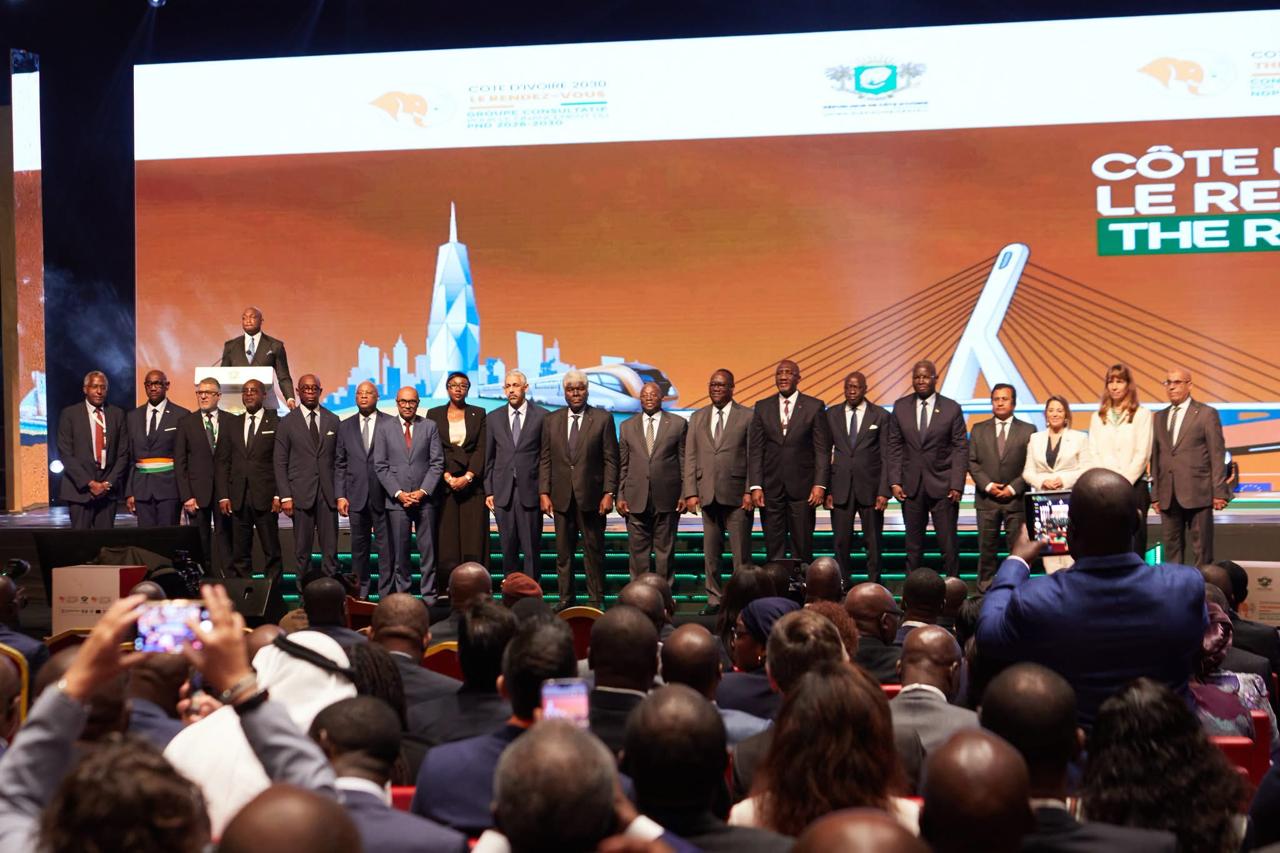
Les partenaires au développement de la Côte d'Ivoire ont annoncé, dès la première journée du Groupe consultatif, des engagements financiers de 80 milliards de dollars US, soit 47 820 milliards de francs CFA, pour financer le Plan national de Développement (PND) 2026-2030, ce 08 juillet 2026 au Sofitel Hôtel Ivoire. Ce...
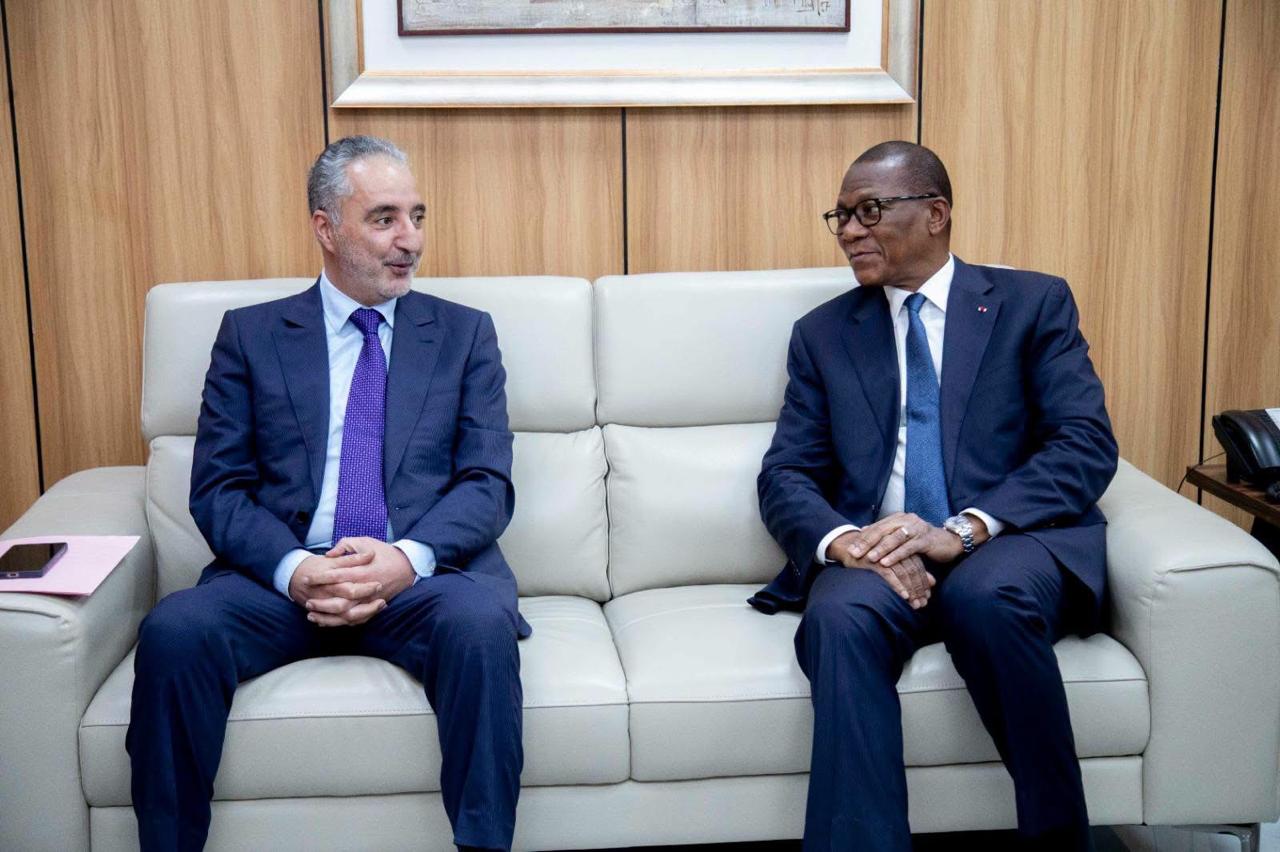
Le Ministre de l'Agriculture, du Développement Rural et des Productions Vivrières, Bruno Nabagné Koné, a accordé une audience, le mardi 7 juillet 2026, à une délégation du Groupe U.O.C (ex-SIPEF-CI), conduite par son Directeur Général Adjoint, Bouali Moussa. Les discussions ont porté sur l'amélioration de la productivi...
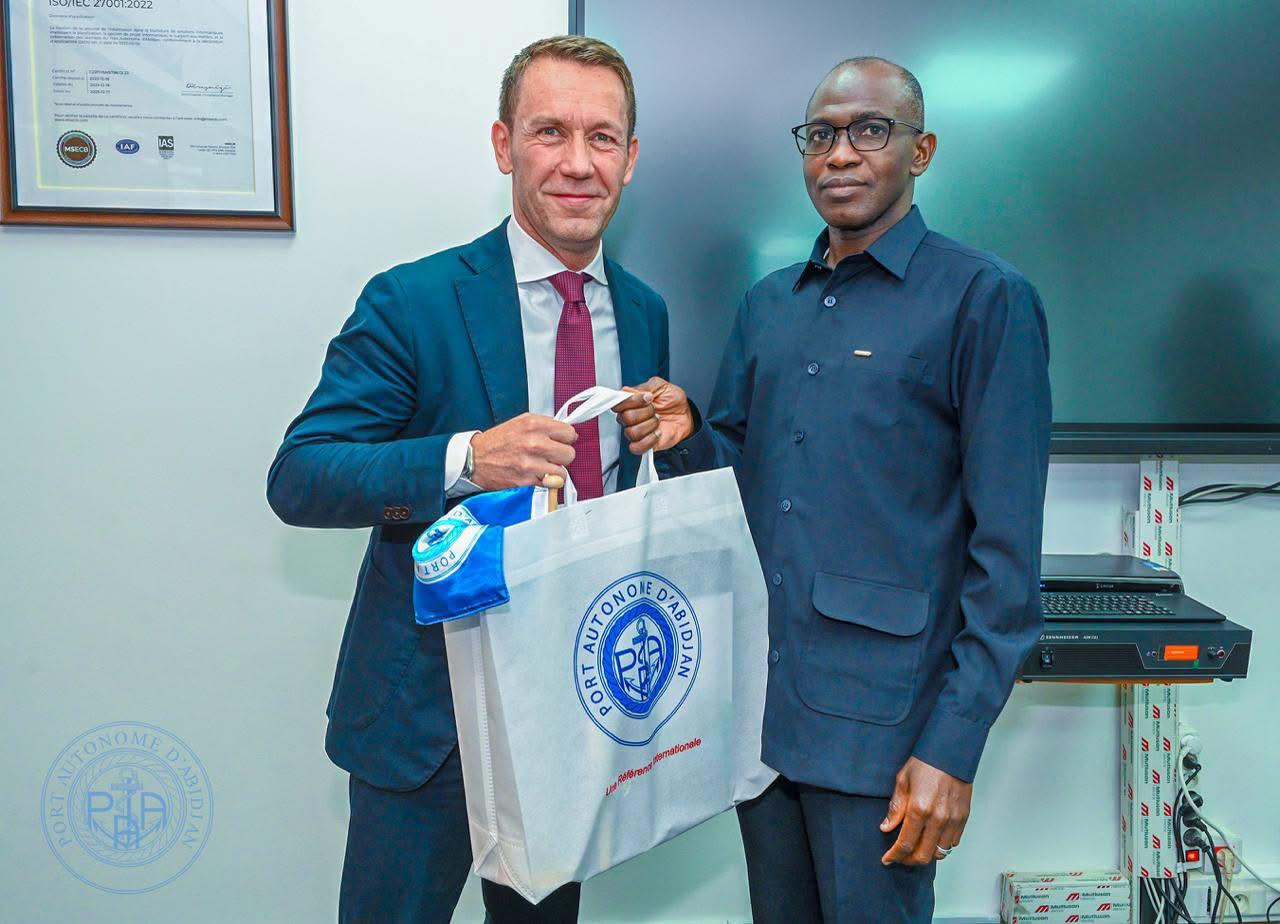
Le patron régional de Maersk, Charles Van Der Steene, s'est rendu au Port Autonome d'Abidjan pour féliciter Kassoum Traoré, nommé à la tête de la première plateforme portuaire du pays, et discuter des perspectives de coopération logistique, le 07 juillet 2026.

Les 7, 8 et 9 juillet 2026, le Parc des Expositions d'Abidjan accueillera la 2ème édition du Marché Africain des Solutions Spatiales (MASS), sous le thème « Les solutions spatiales au service du développement » . Cet événement positionne la Côte d'Ivoire comme hub continental de l'économie spatiale émergente. Startups,...
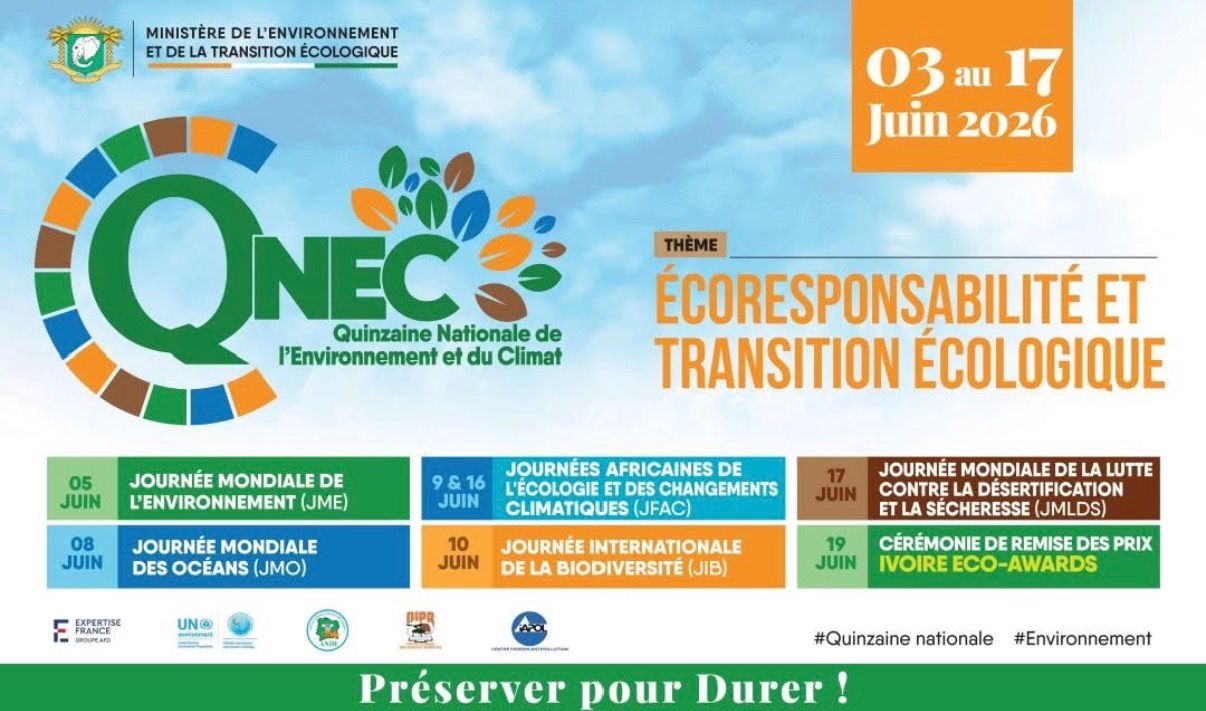
La Côte d'Ivoire célèbre son engagement écologique. Du 3 au 17 juin 2026, Abidjan accueillera la Quinzaine Nationale de l'Environnement et du Climat, placée sous le thème "Écoresponsabilité et transition écologique". Pendant deux semaines, acteurs publics, société civile, entreprises et citoyens seront invités à réfléc...

La Côte d'Ivoire continue de promouvoir l'innovation technologique chez sa jeunesse. Le 10 juin 2026, le Centre Sportif, Culturel et des TIC Ivoiro-Coréen Alassane Ouattara (CSCTICAO) abritera la 3ème édition du Championnat National de Robotique. Le thème retenu, « »Déterré : Archéologie & Technologie », invite les jeu...
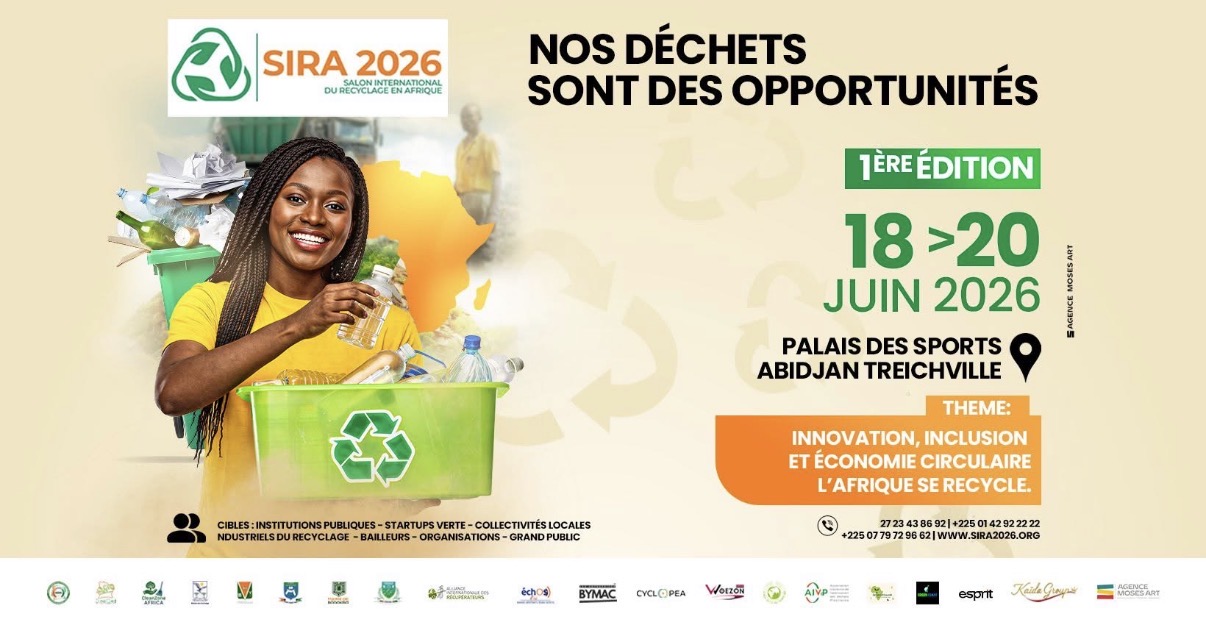
Le Salon International du Recyclage en Afrique (SIRA) tiendra sa toute première édition du 18 au 20 juin 2026, au Palais des sports de Treichville, à Abidjan. Placé sous le thème évocateur « Innovation, inclusion et économie circulaire : l’Afrique se recycle », cet événement inédit ambitionne de devenir le rendez-vous...
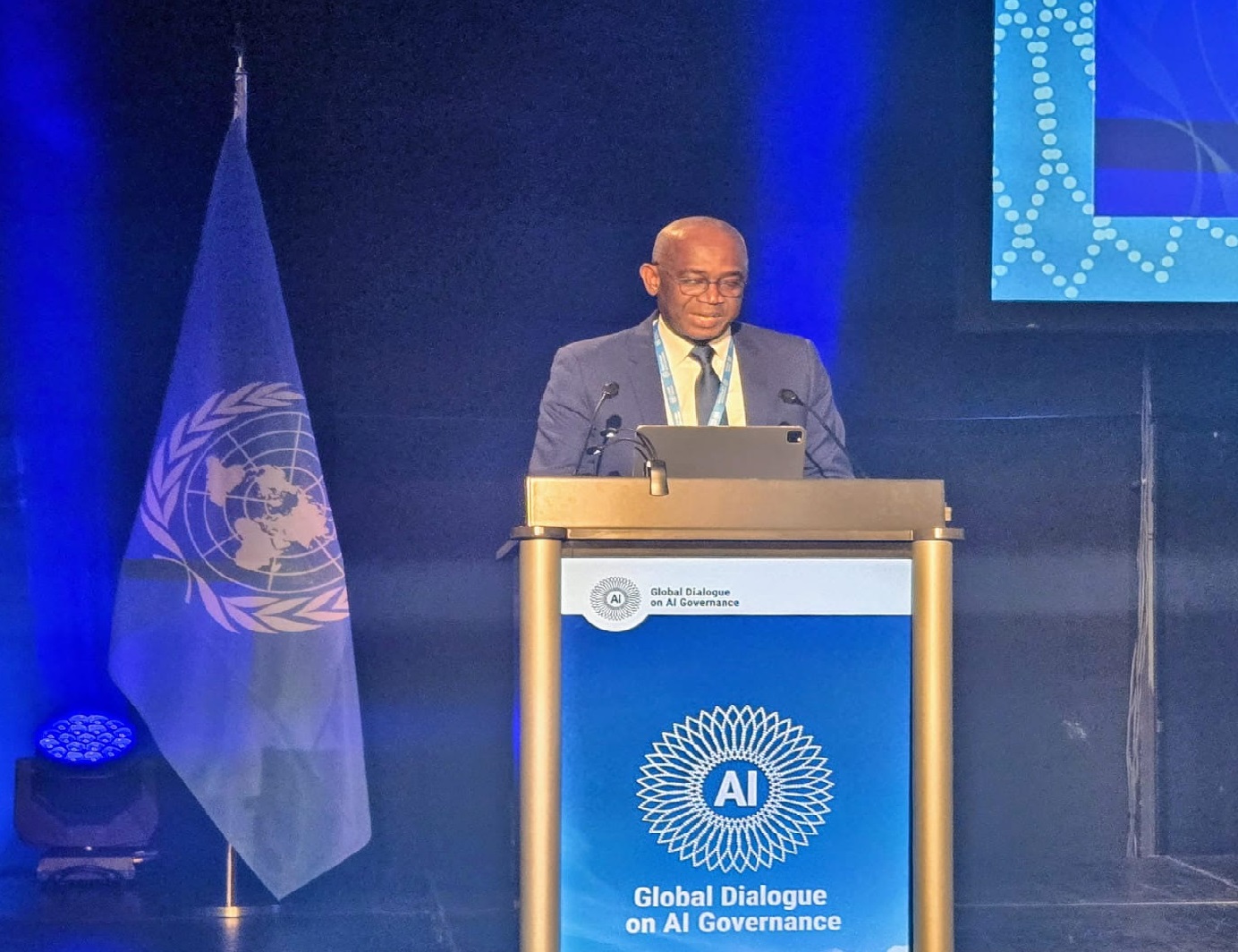
Le Ministre de la Transition numérique et de l'Innovation technologique, Djibril Ouattara, a représenté la Côte d'Ivoire au 1er Dialogue mondial des Nations Unies sur la gouvernance de l'intelligence artificielle, tenu les 6 et 7 juillet 2026 à Genève, portant un message clair. À savoir, l’IA ne doit pas être un privil...
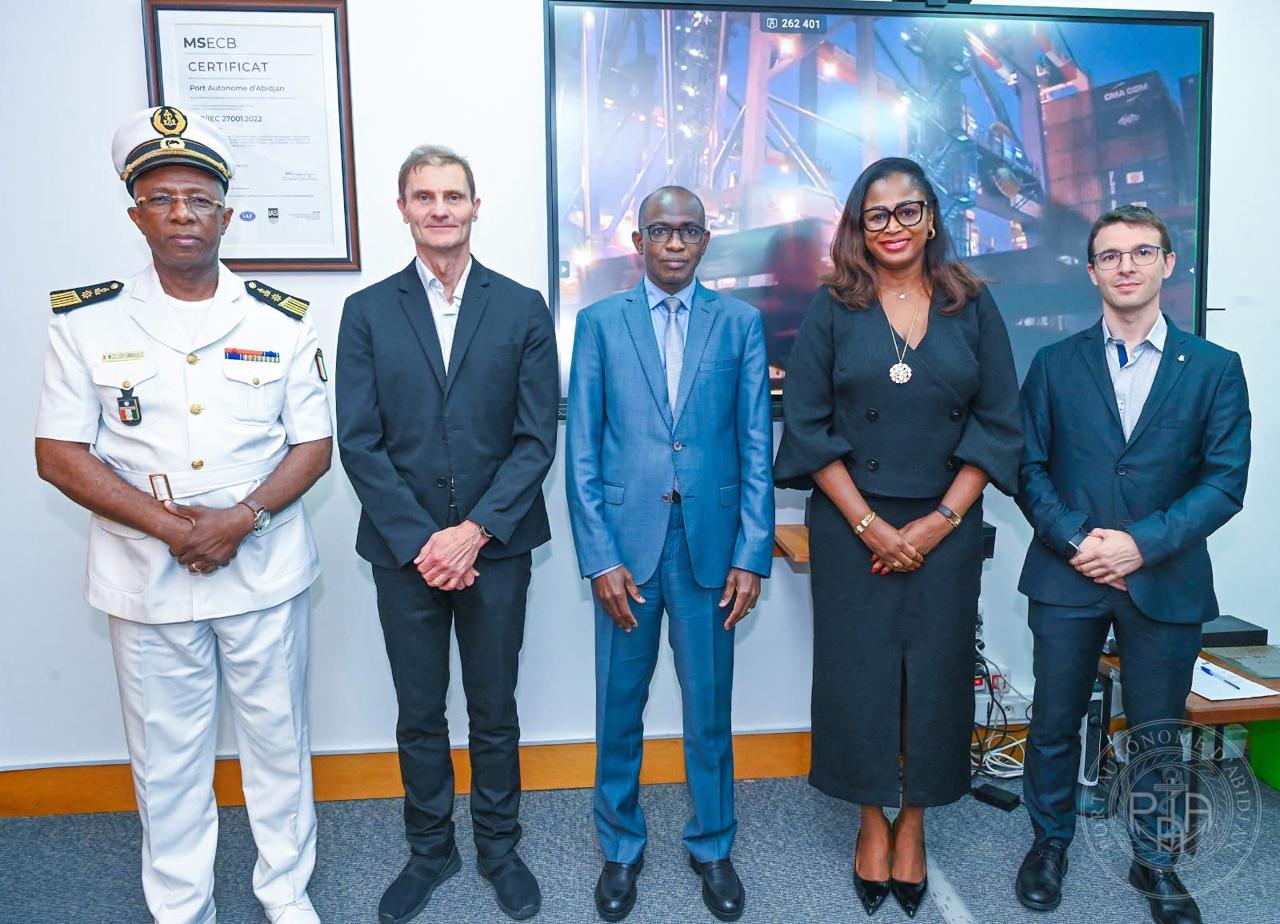
En marge de la 19ème Conférence de la Commission Hydrographique de l'Atlantique Oriental (CHAtO-19), le Directeur Général du Port Autonome d'Abidjan, Kassoum Traoré, a reçu récemment l'Amiral Laurent Kerleguer, patron du SHOM français, pour renforcer la coopération hydrographique entre les deux nations maritimes.
 English
 Français