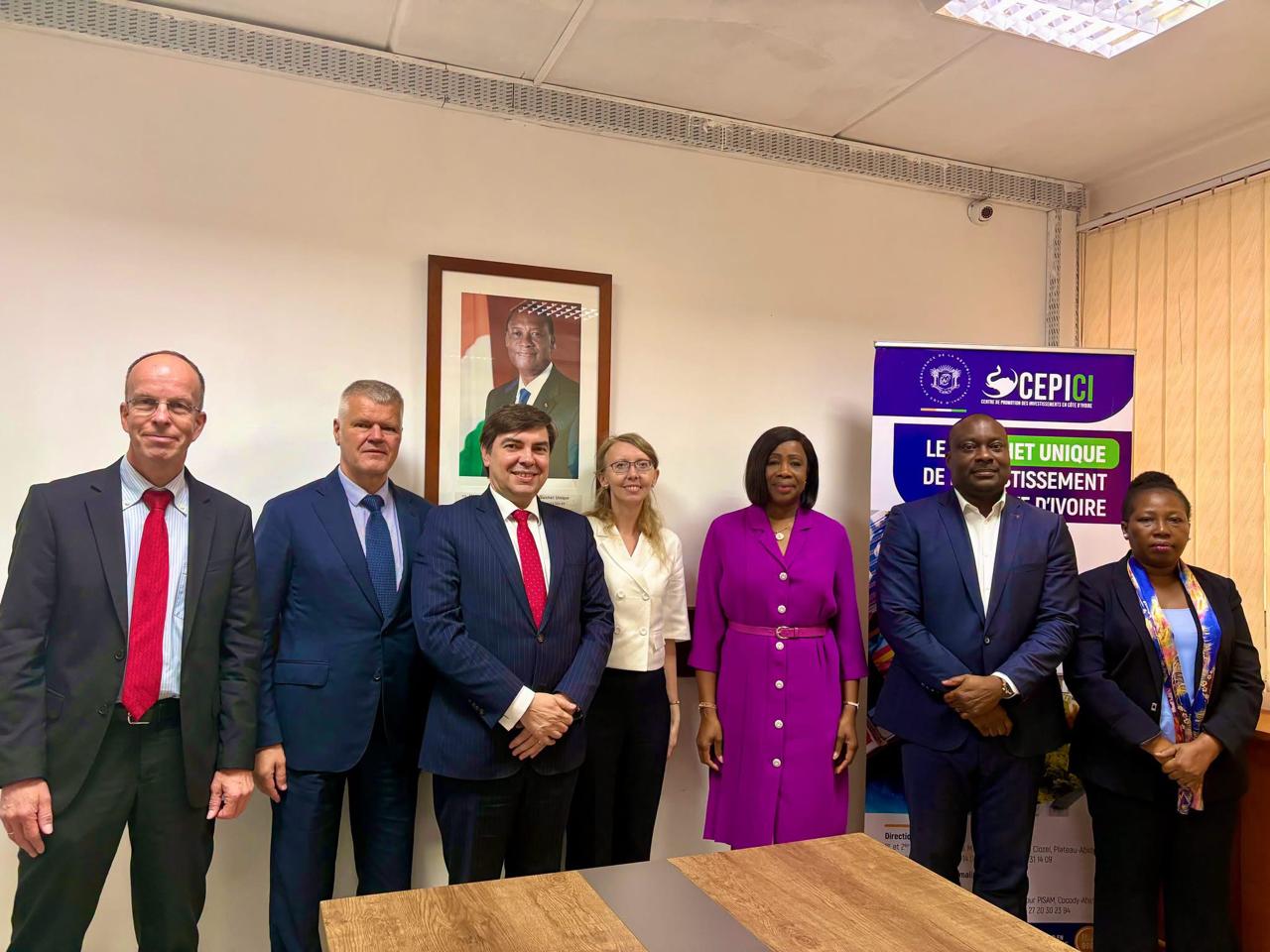
The Center for the Promotion of Investments in Côte d'Ivoire (CEPICI) recently received a delegation from the European Commission led by Jorge Vitorino, chief negotiator for the European side, before the official launch of negotiations for the Agreement on the Facilitation of Sustainable Investments (AFID). The discuss...
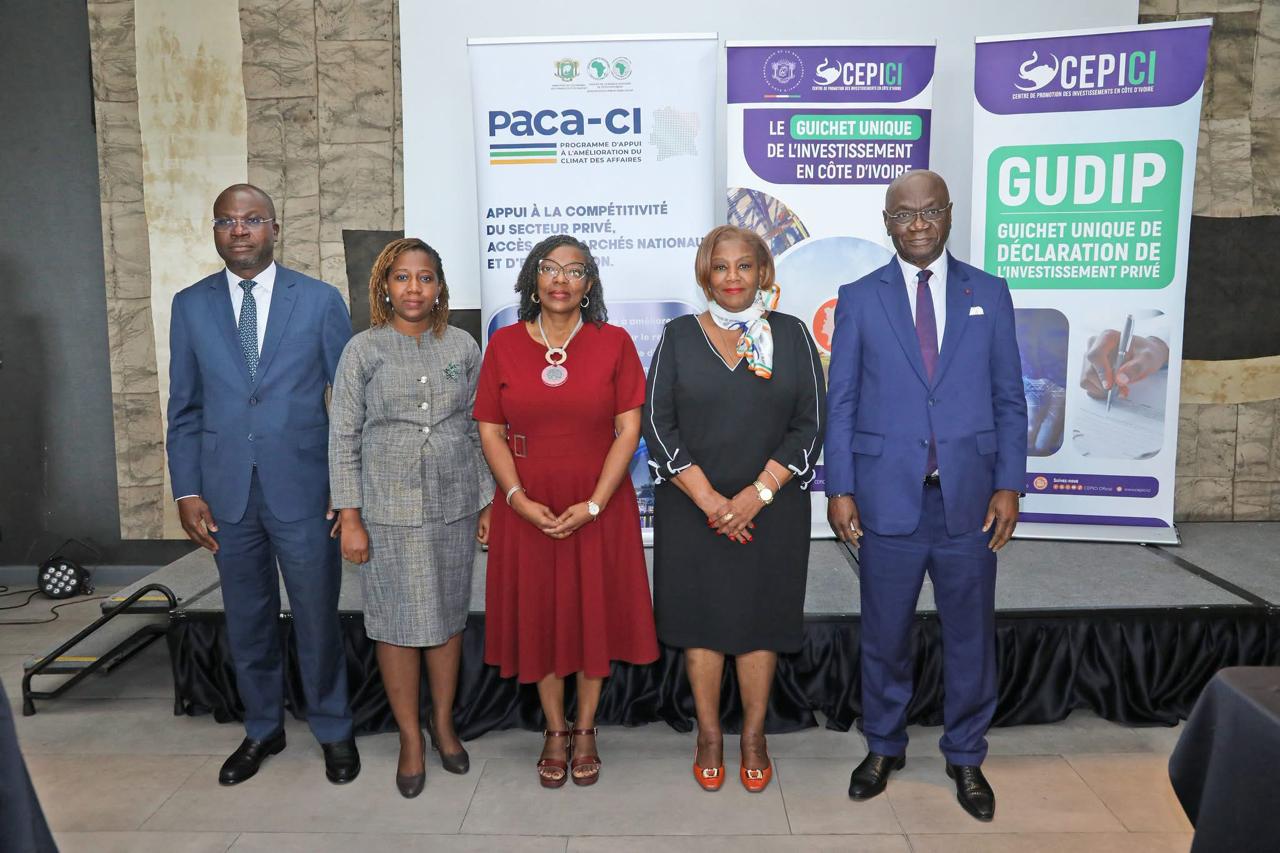
For a long time, the figures for Ivorian private investment resembled a puzzle scattered between several administrations, without an overall picture. CEPICI has just launched the Single Window for Private Investment Declaration (GUDIP), a national system intended to centralize and manage this data in real time, with th...
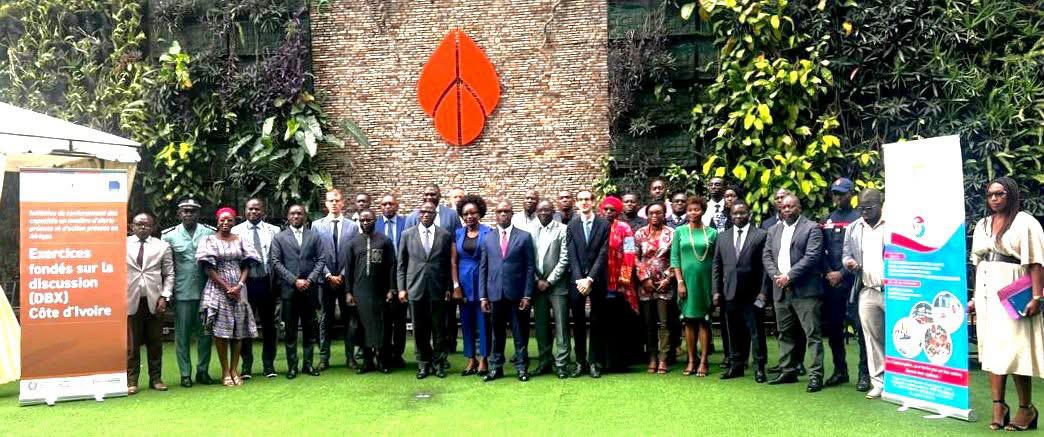
Ivory Coast tested its ability to anticipate climate disasters a few days ago. It was through a discussion-based simulation exercise (DBX), dedicated to the products of the African Multi-Hazard Early Warning and Anticipatory Action System (AMHEWAS), with the participation of national experts and international partners...
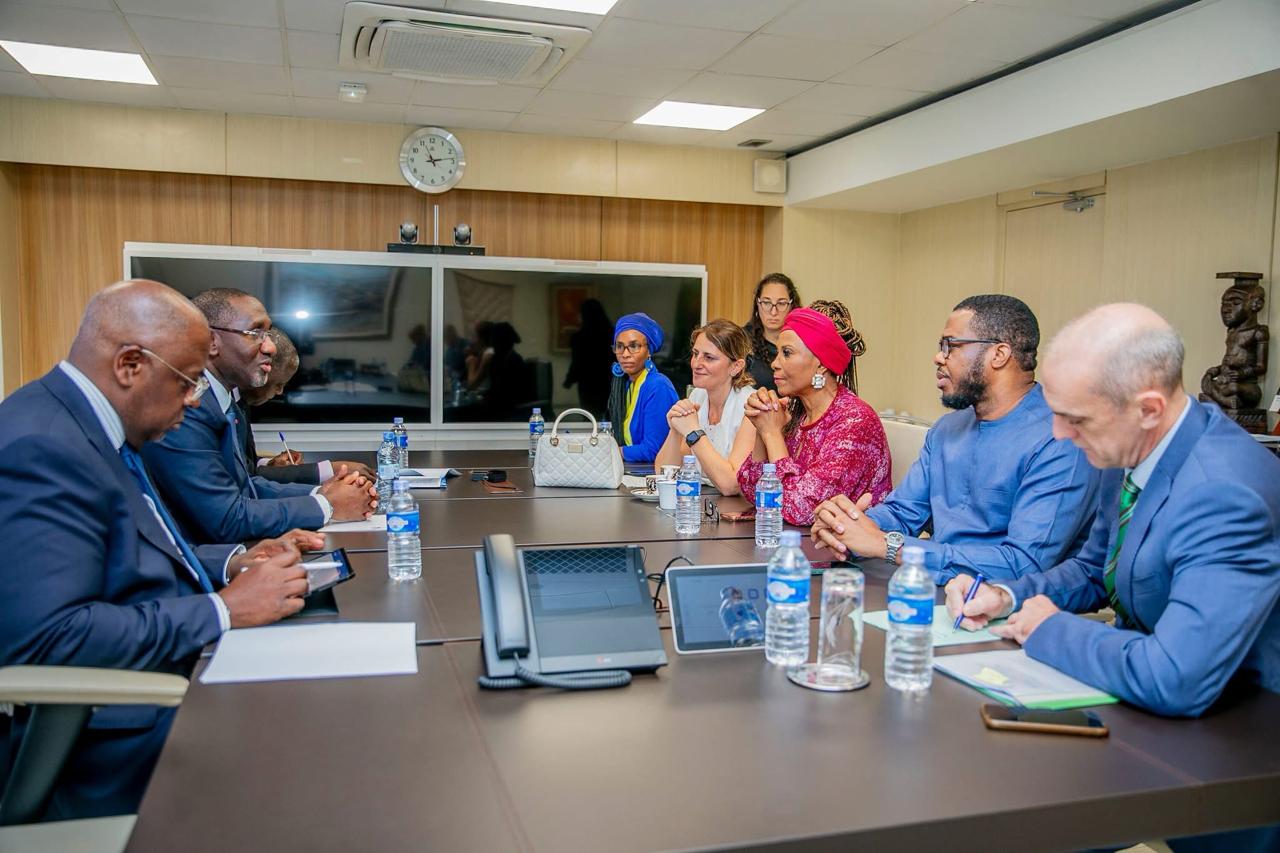
The Minister of Planning and Development, Dr Souleymane Diarrassouba, recently received Ahunna Eziakonwa, Under-Secretary-General of the United Nations and Director of the UNDP Regional Office for Africa on the sidelines of the 2026 African Economic Conference. This meeting sealed a convergence of views on new levers f...
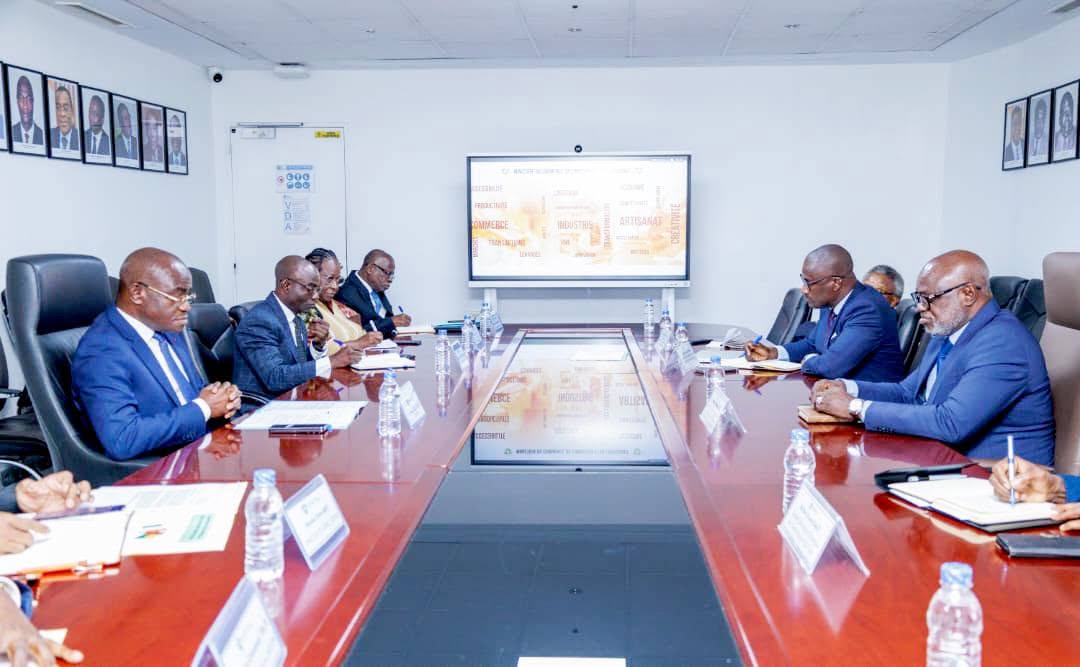
Local processing of cashew nuts is gradually establishing itself as a lever for industrialization in West Africa. By drawing inspiration from the Ivorian experience, Guinea Bissau is displaying its ambition to create more added value around the cashew nut, a crop which constitutes the pillar of its economy.
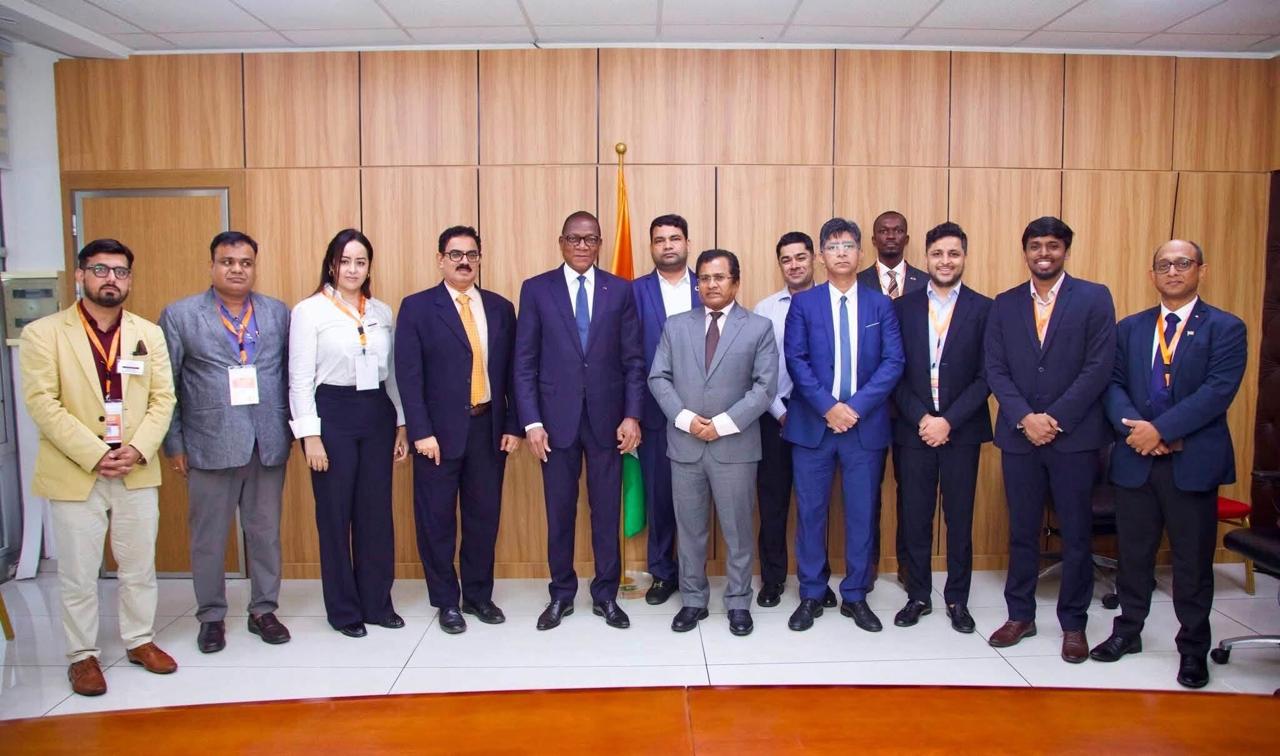
Minister Bruno Nabagné Koné recently received a delegation from the Confederation of Indian Industry. After Western partners, it is India's turn to position itself on Ivorian agriculture, with a strong promise, to build tractors directly in Abidjan.
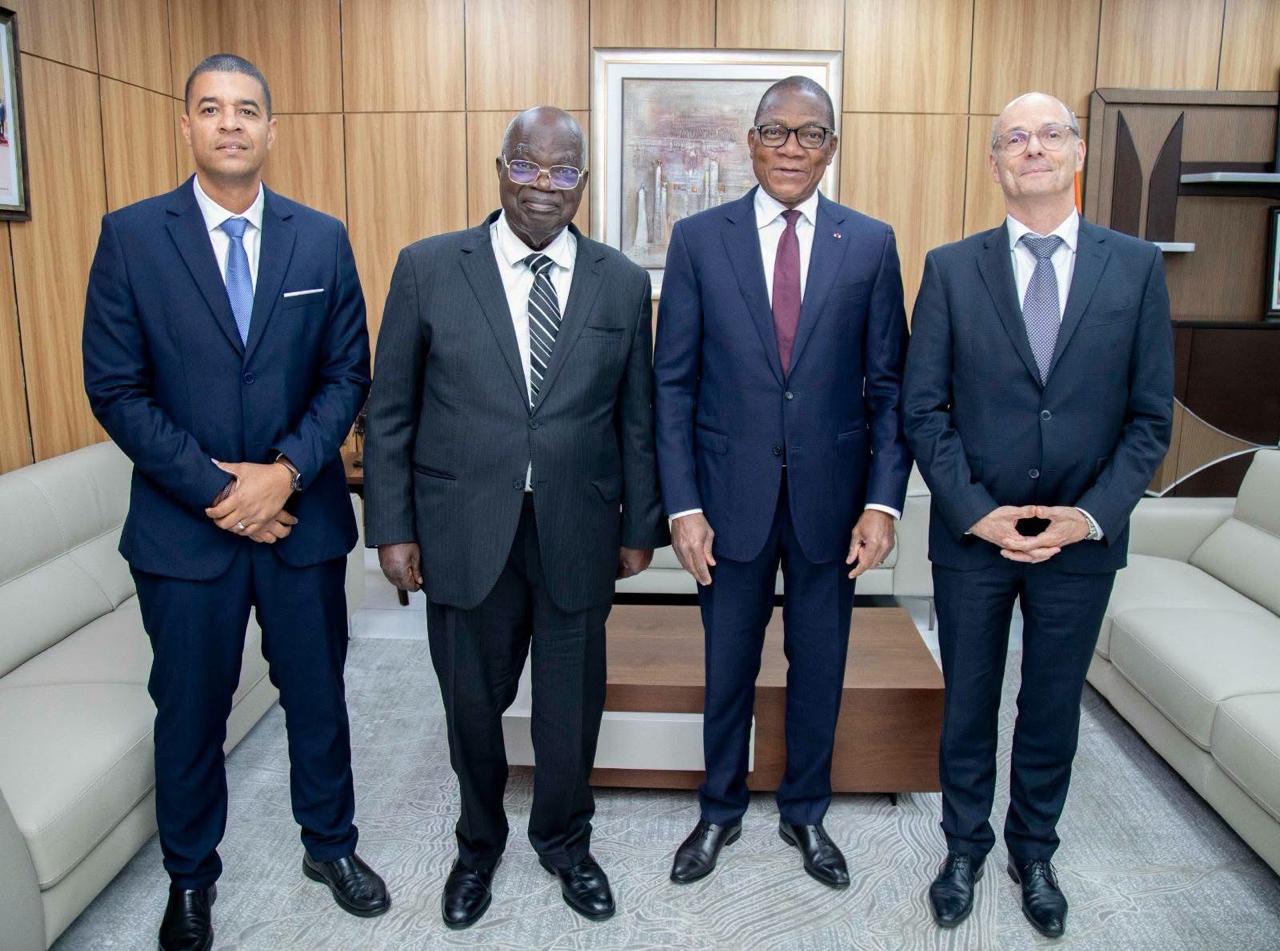
Ivorian sugar is about to enter a new industrial era. The Minister of Agriculture, Rural Development and Food Production, Bruno Nabagné Koné, received Olivier Parent, CEO of the SOMDIA Group, who came to present an ambitious contract plan for his subsidiary SUCAF-CI, promising a massive investment of 100 billion CFA fr...
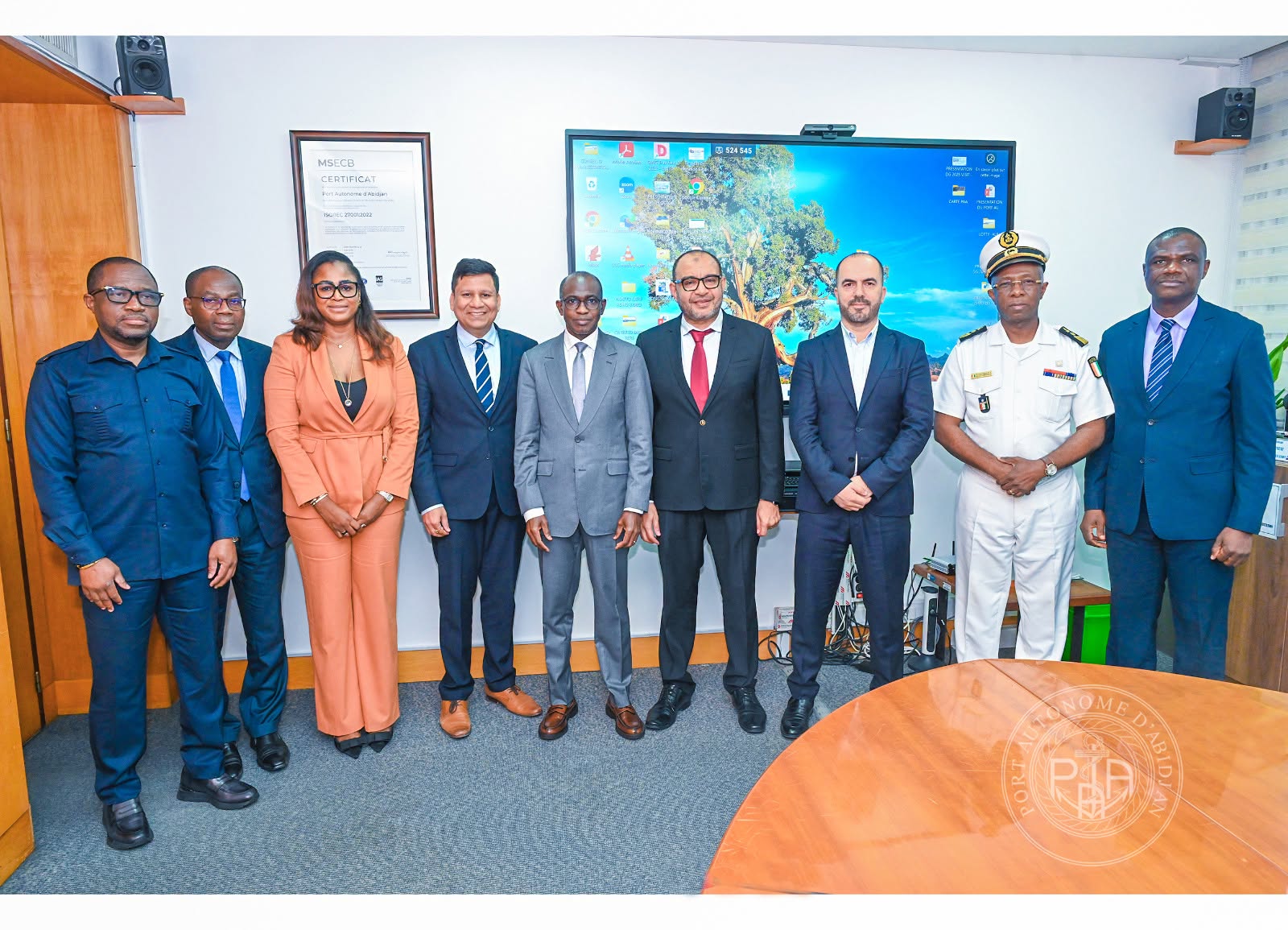
The General Director of the Autonomous Port of Abidjan (PAA), Kassoum Traoré granted an audience to the delegation of LafargeHolcim Côte d'Ivoire led by its General Director, Rachid Yousri. This meeting, held recently, is part of the continuity of regular exchanges between the two institutions, a few days after a simil...
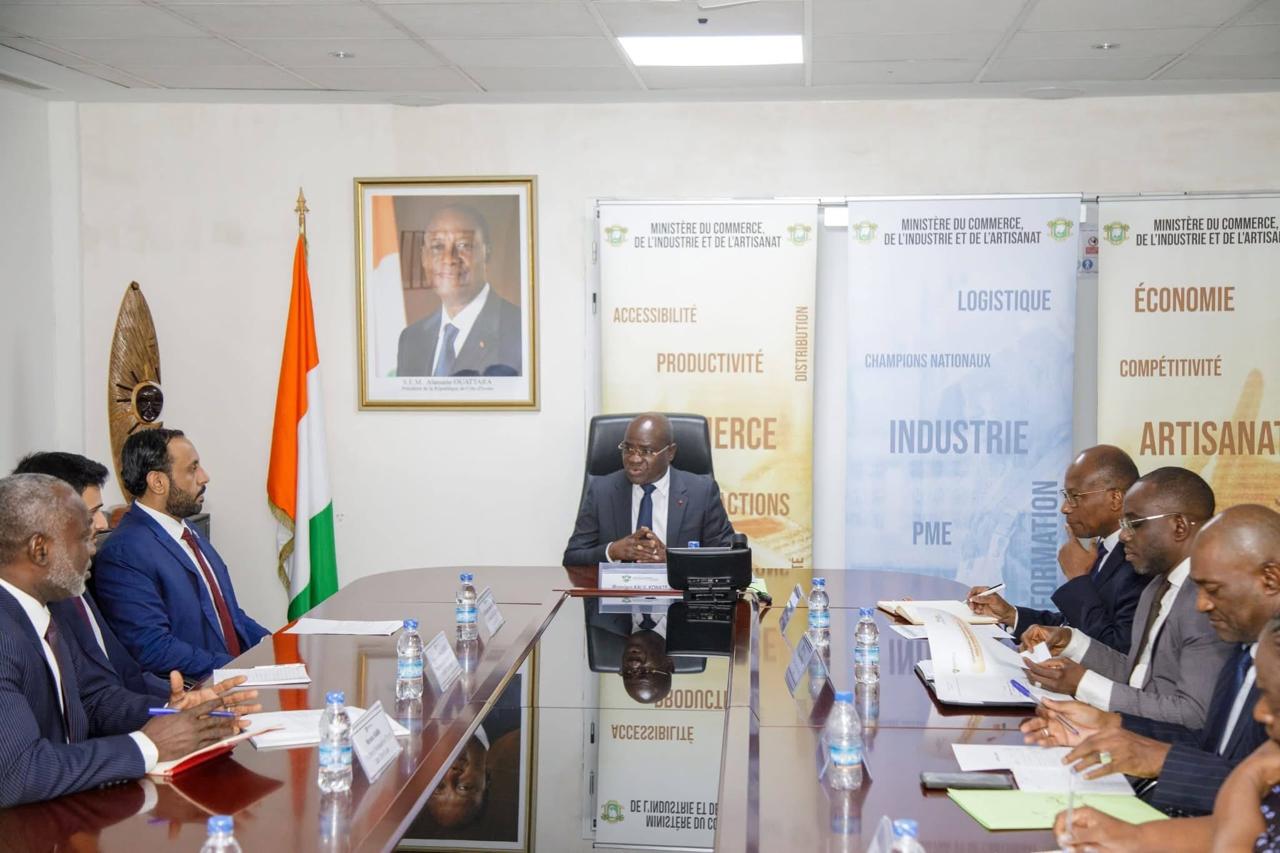
In less than four months, Abidjan will become the business capital between Qatar and Africa. The city will host the 5th edition of the Qatar-Africa Business Forum, scheduled for November 2 and 3, 2026. An edition which will mobilize 95 Qatari companies, more than 300 economic players and major international institution...
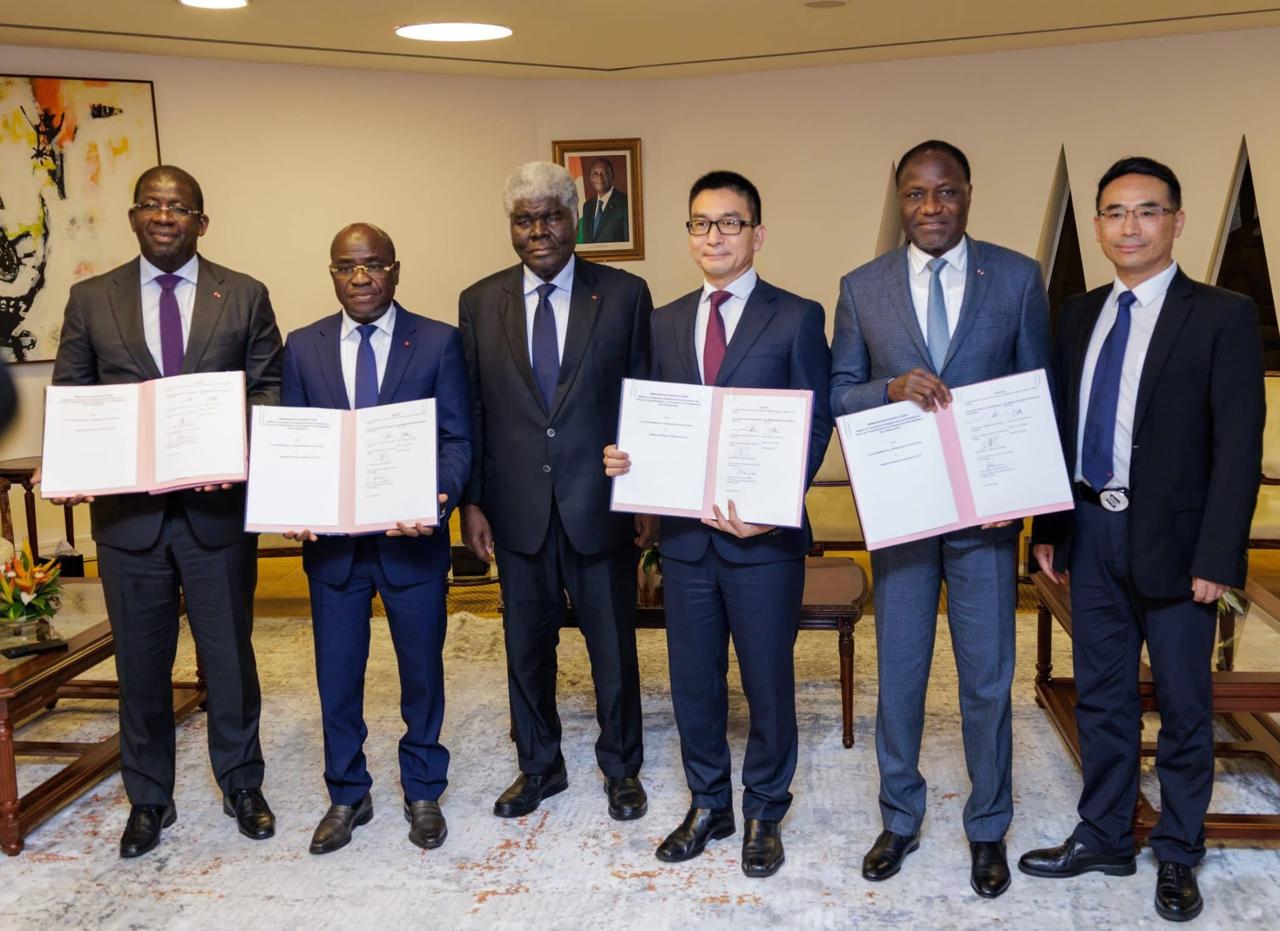
Ivory Coast has signed a non-binding memorandum of understanding with Winning International Group, laying the foundations for a strategic dialogue on mining, energy, industry and infrastructure. Three Ivorian ministers initialed the document in the presence of Prime Minister Robert Beugré Mambé. It was on the sidelines...
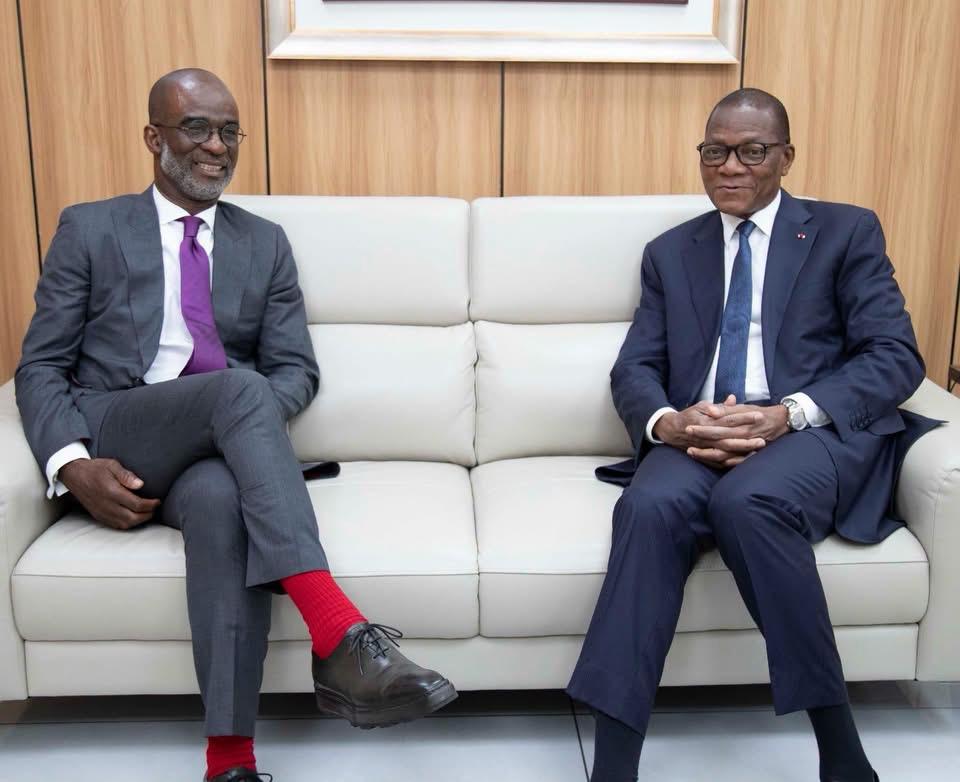
The Minister of Agriculture, Rural Development and Food Production, Bruno Nabagné Koné recently granted an audience to Stanislas Zézé, CEO of Bloomfield Investment Corporation, to examine an economic intelligence project on investment opportunities and risks in the Ivorian agricultural sector. This hearing, held at the...
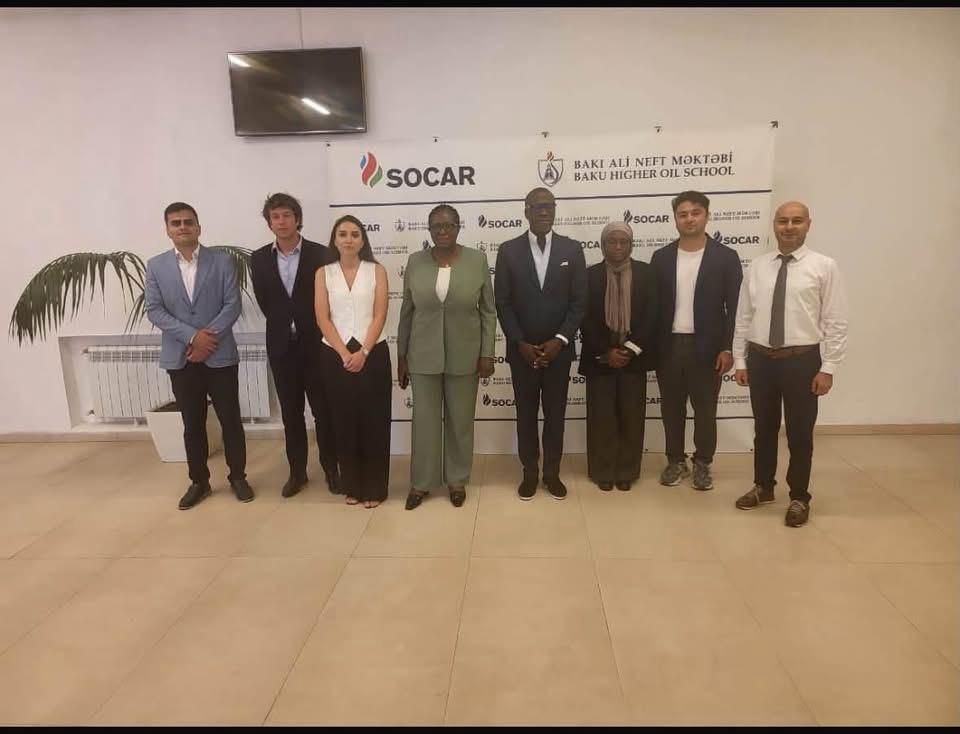
A delegation from PETROCI HOLDING led by its General Management carried out a working mission to Baku, in the Republic of Azerbaijan, at the invitation of SOCAR and its subsidiary SOCAR Trading, a few days ago. This visit marks a key step in the internationalization strategy of the Ivorian oil company.
 English
 Français