
84 result(s) for “Paris Expo Porte de Versailles”
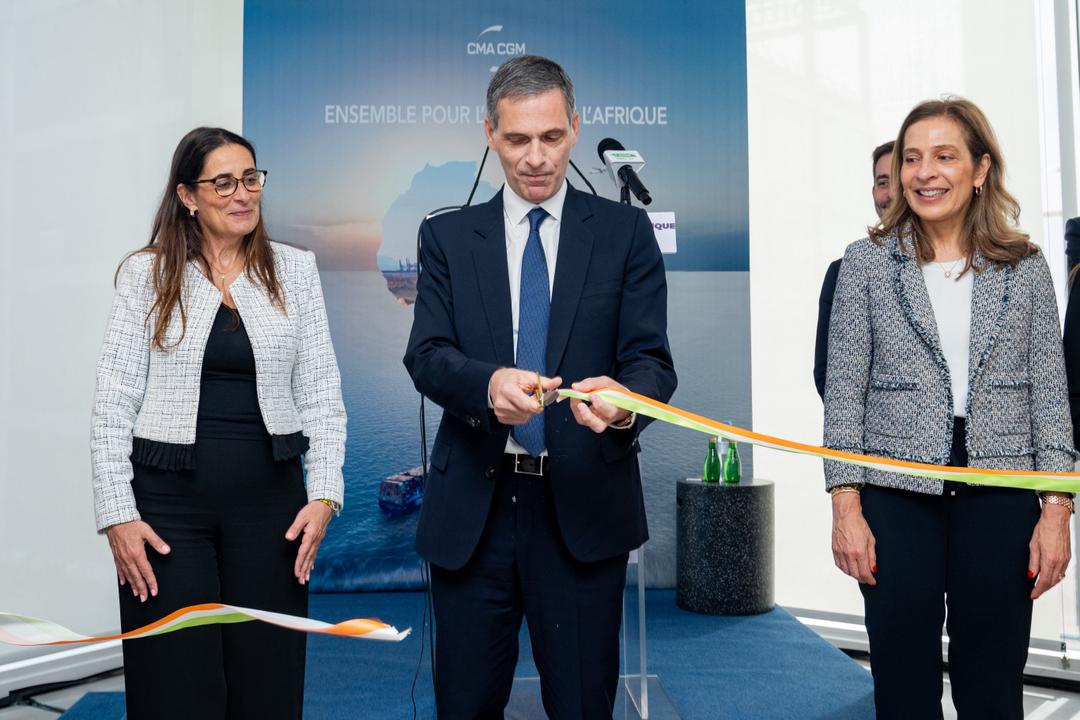
For the first time in the history of global maritime transport, an African city becomes the regional headquarters of a giant in the sector. On April 23, 2026, CMA CGM officially inaugurated its Africa regional office in Abidjan, relocating its continental operations from Marseille. A strategic decision that propels Côt...
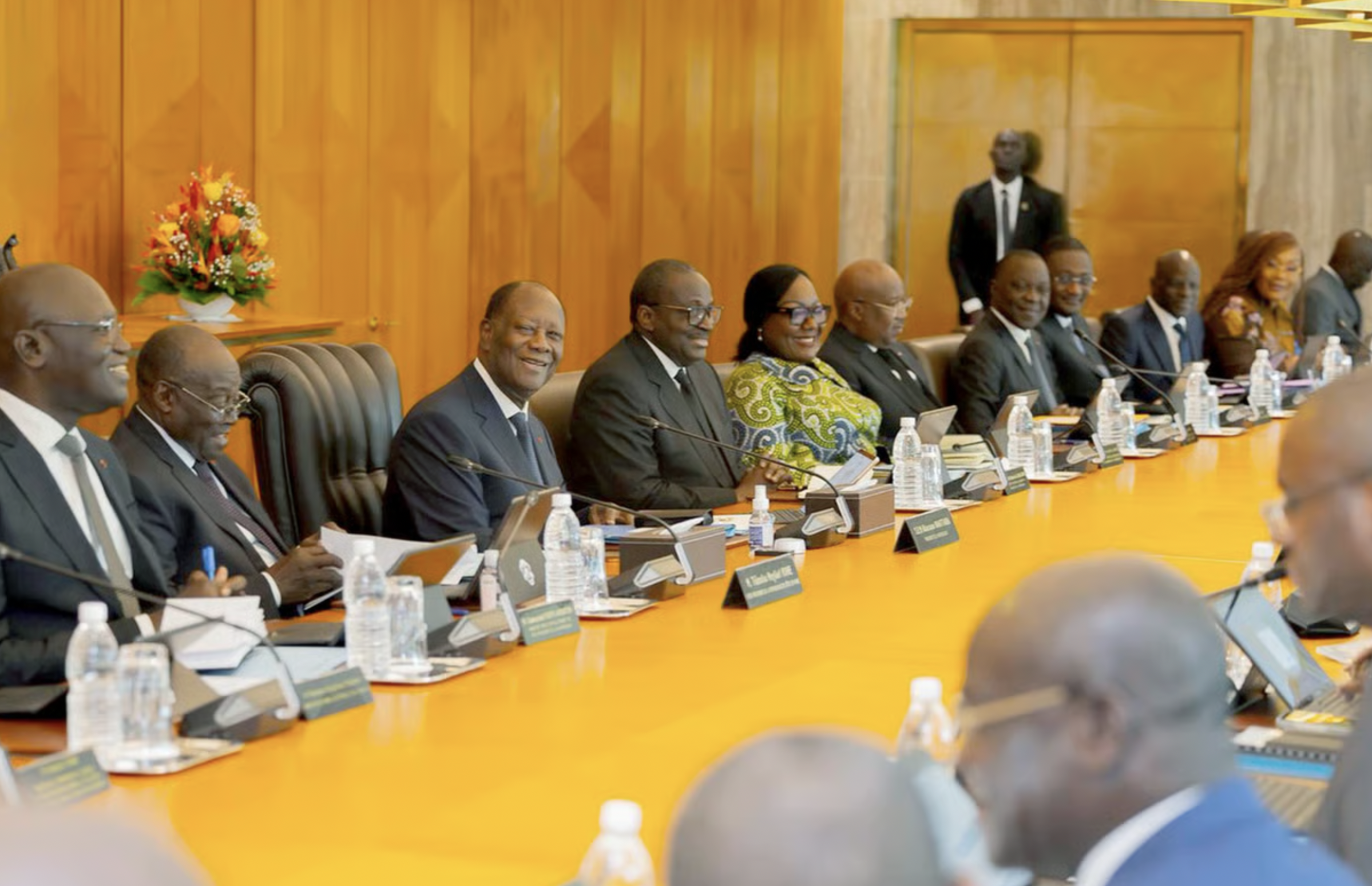
On April 15, 2026, the Ivorian Council of Ministers recorded the creation of the Sovereign Strategic Fund for the Development of Côte d'Ivoire (FSD-CI). Adopted under the presidency of H.E Alassane OUATTARA, this unique financial instrument marks a historic inflection in the country's economic doctrine. It aims to tran...
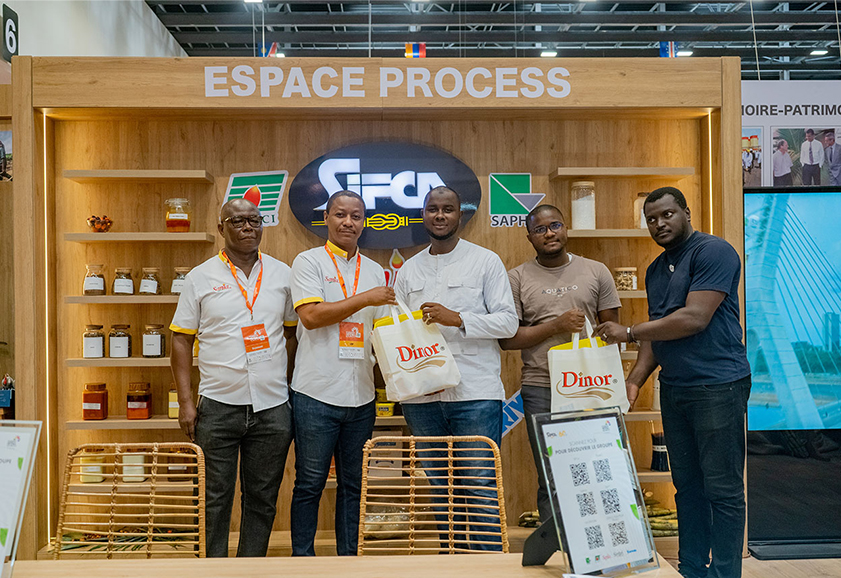
Founded more than 60 years ago in Abidjan, the SIFCA Group has established itself as the first private agro-industrial group in Côte d'Ivoire and one of the most influential players in the West African economy. Specializing in palm oil, natural rubber and cane sugar, this Ivorian behemoth now operates in five countries...
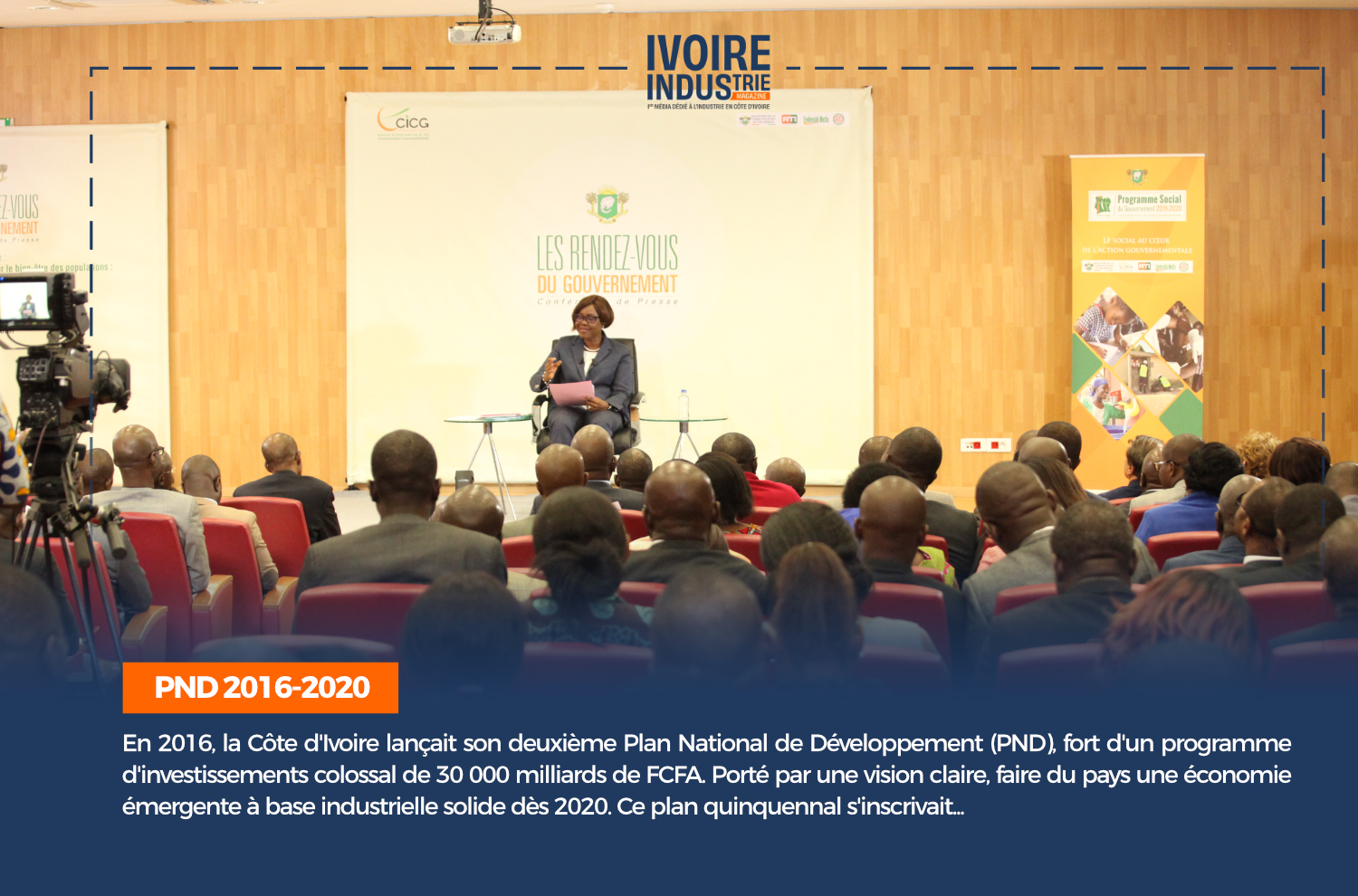
In 2016, Côte d'Ivoire launched its second National Development Plan (PND), with a colossal investment program of 30,000 billion FCFA. Driven by a clear vision, to make the country an emerging economy with a solid industrial base from 2020. This five-year plan was a continuation of the 2012-2015 PND, the results of whi...
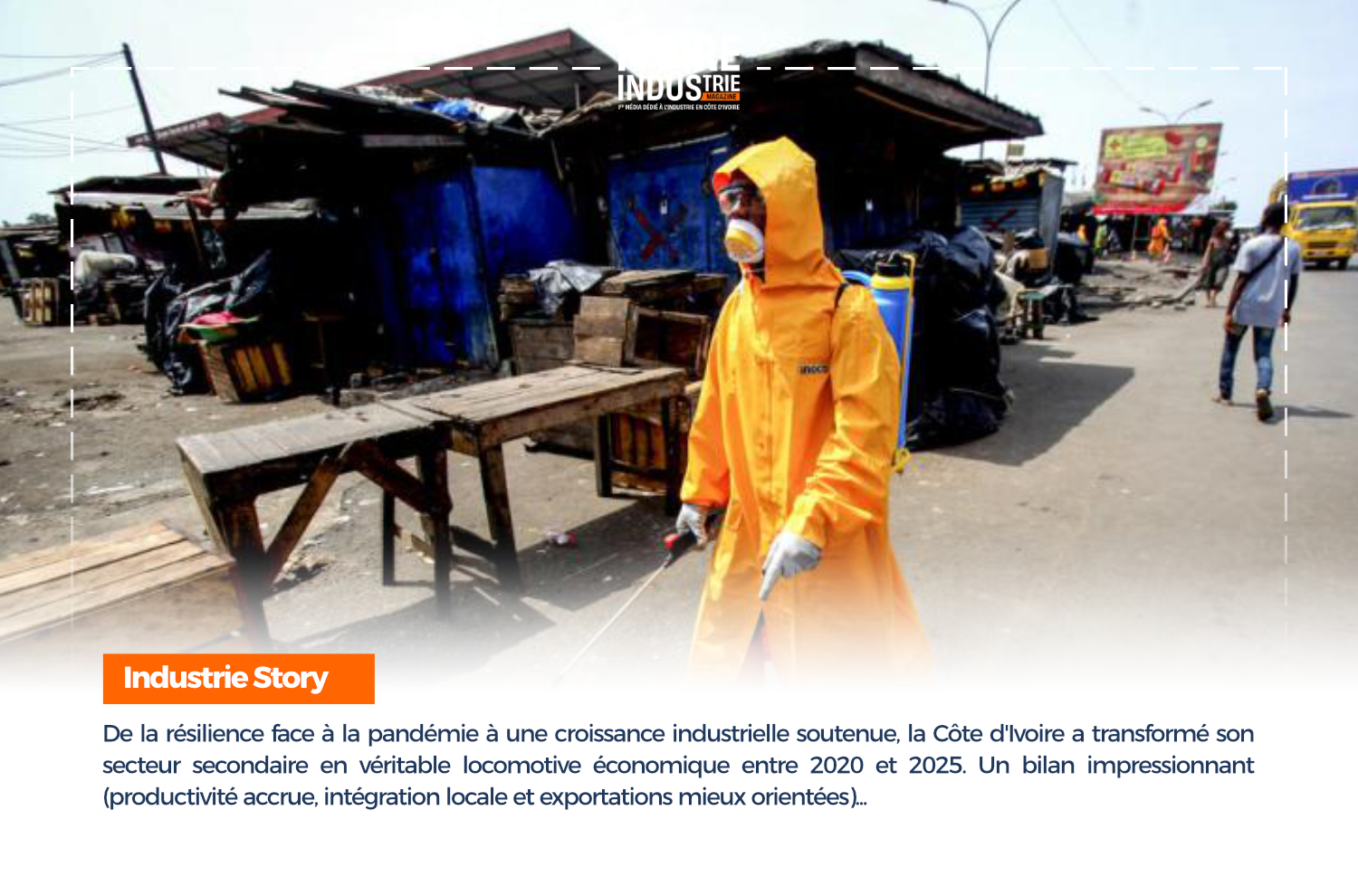
From resilience in the face of the pandemic to sustained industrial growth, Côte d'Ivoire has transformed its secondary sector into a real economic locomotive between 2020 and 2025. An impressive record (increased productivity, local integration and better oriented exports). However, structural challenges remain and ta...
After a dark decade marked by socio-political crises, Côte d'Ivoire initiated between 2010 and 2020 one of the most spectacular industrial transformations in West Africa. Driven by strong political will, a booming agro-industry and massive investments in infrastructure, the Ivorian economy has made a remarkable recover...
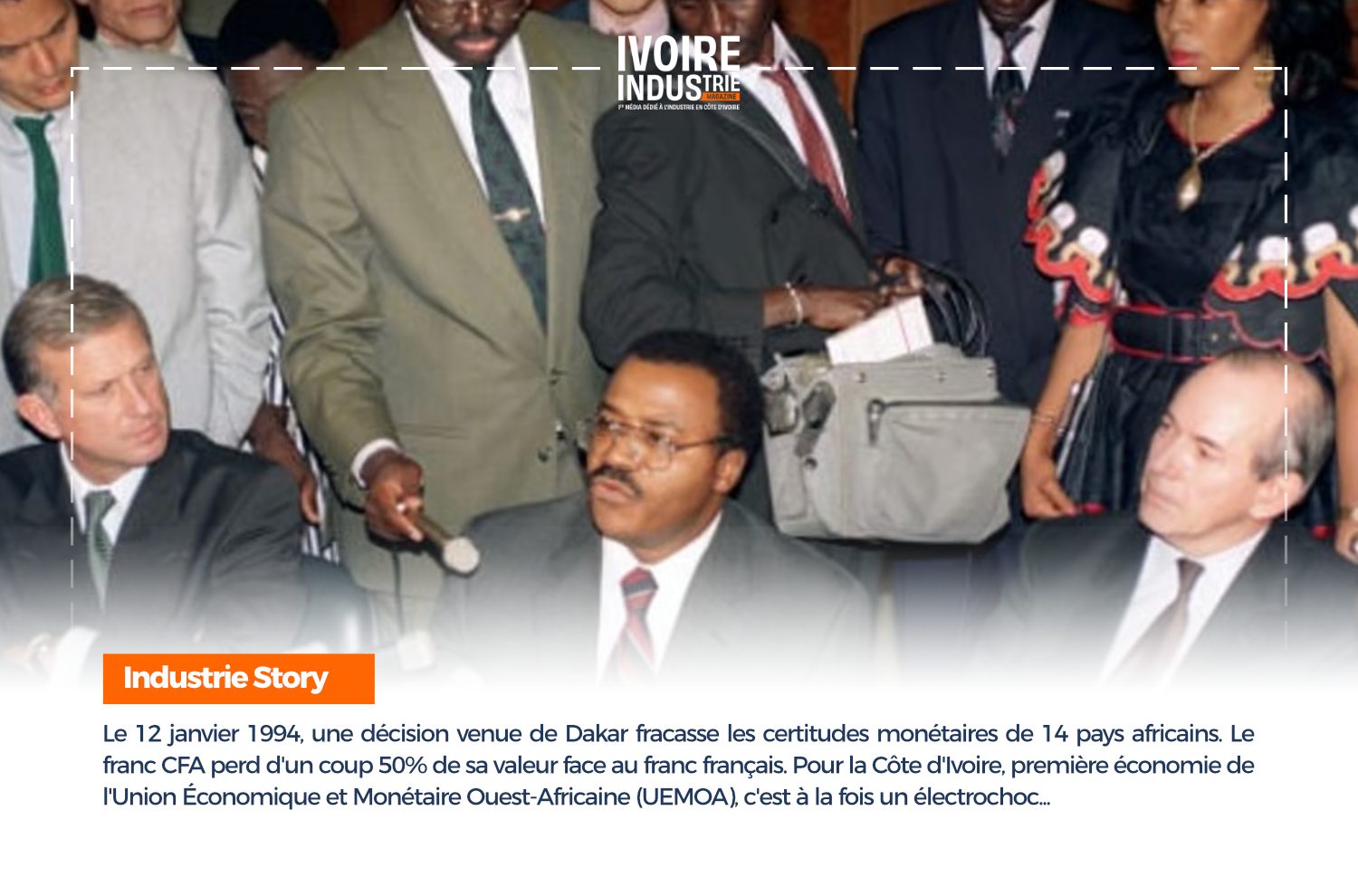
On January 12, 1994, a decision from Dakar shattered the monetary certainties of 14 African countries. The CFA franc suddenly loses 50% of its value against the French franc. For Ivory Coast, the largest economy in the West African Economic and Monetary Union (UEMOA), it is both a painful electric shock and a structura...
In the 1990s, the International Monetary Fund and the World Bank exercised unprecedented control over the Ivorian economy and politics. Between imposed remedies and deep social fractures, the results of this decade remain, even today, a subject of controversy.
Ivorian industry has gone through one of the most decisive periods in its history, from the devaluation of the CFA franc to the first privatizations. Between shock therapies imposed by the Bretton Woods institutions, renewed competitiveness and persistent structural fragilities, the country's industrial fabric has been...
From independence to the late 1970s, Ivory Coast had accomplished what few developing nations could claim. Sustained, spectacular economic growth, envied by its neighbors and celebrated in the capitals of the world. This “Ivorian miracle”, driven by coffee, cocoa and a liberal political will, remains one of the most da...
After two decades of an “Ivorian miracle” driven by industrial growth of 9% per year, Ivory Coast entered the 1980s like a colossus with feet of clay. In the space of ten years, the industrial sector, which had been the pride of the country, collapsed under the combination of a global crisis, an economic model on its l...
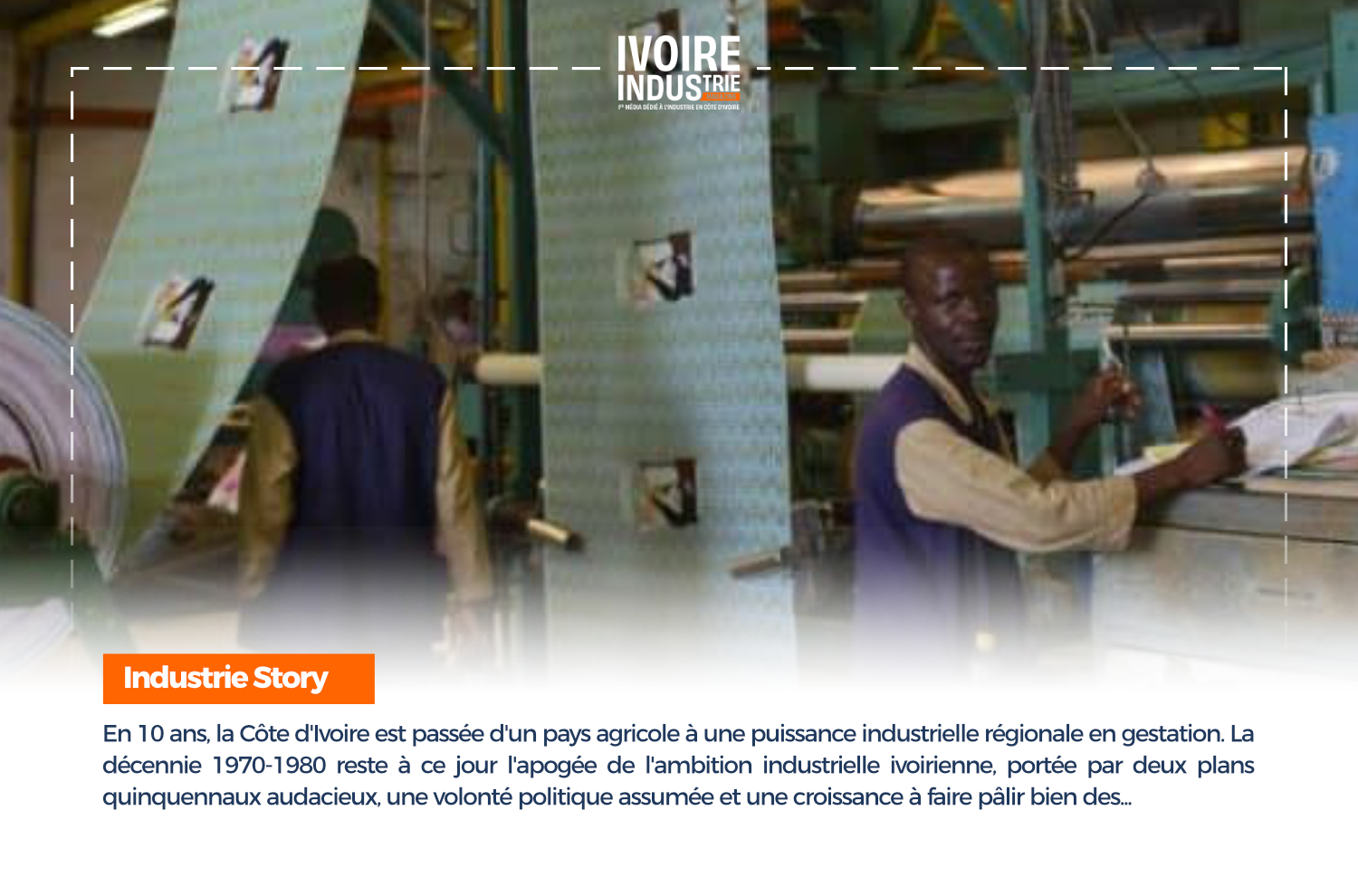
In 10 years, Côte d'Ivoire has gone from an agricultural country to a regional industrial power in the making. The 1970-1980 decade remains to this day the apogee of Ivorian industrial ambition, driven by two audacious five-year plans, an assumed political will and growth that would put many of the world's economies to...
 English
 Français