
70 result(s) for “Essar Future Energie”
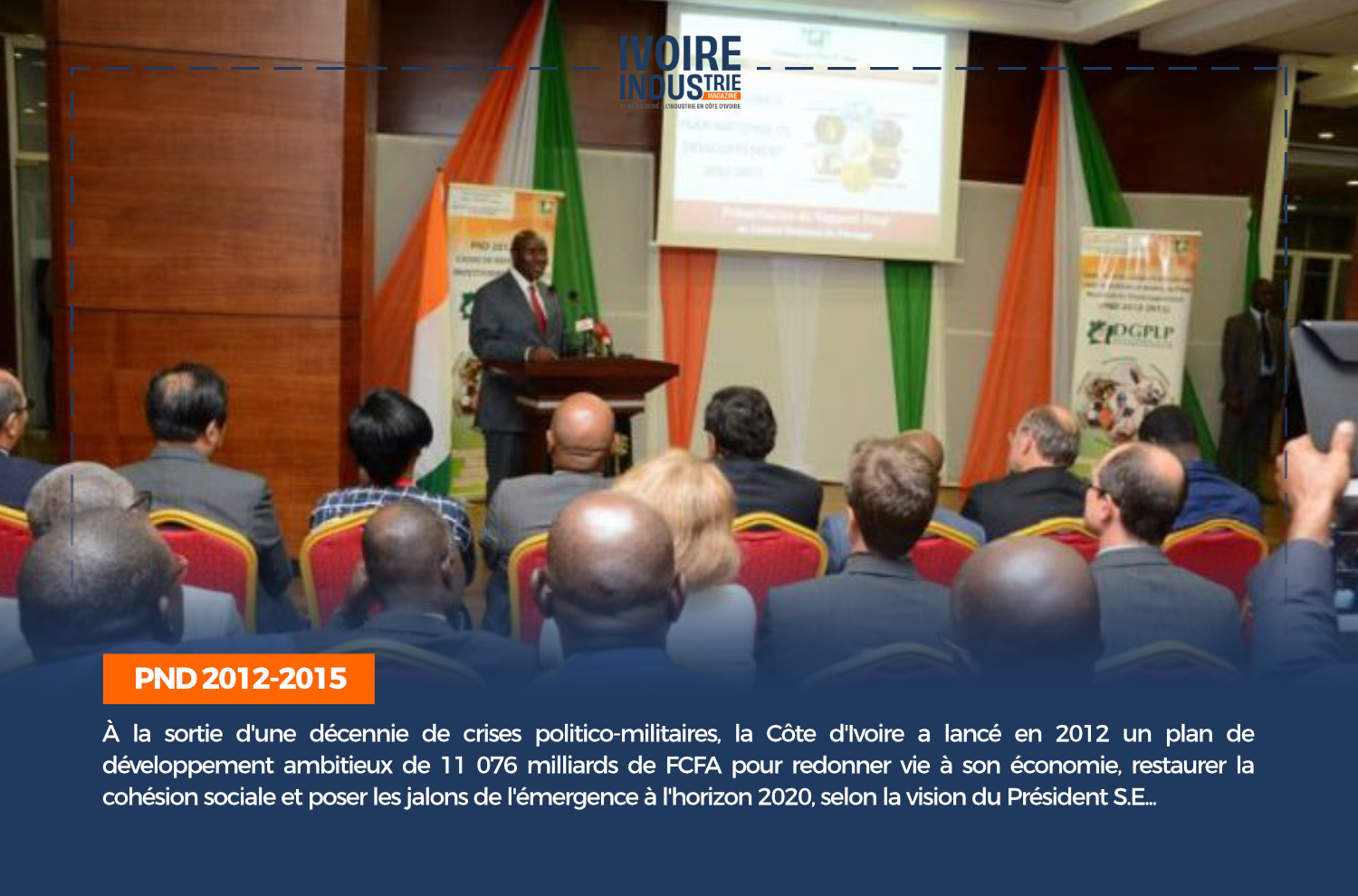
At the end of a decade of political-military crises, Côte d'Ivoire launched in 2012 an ambitious development plan of 11,076 billion FCFA to revive its economy, restore social cohesion and lay the foundations for emergence by 2020, according to the vision of the Head of State H.E Alassane OUATTARA. Four years later, the...
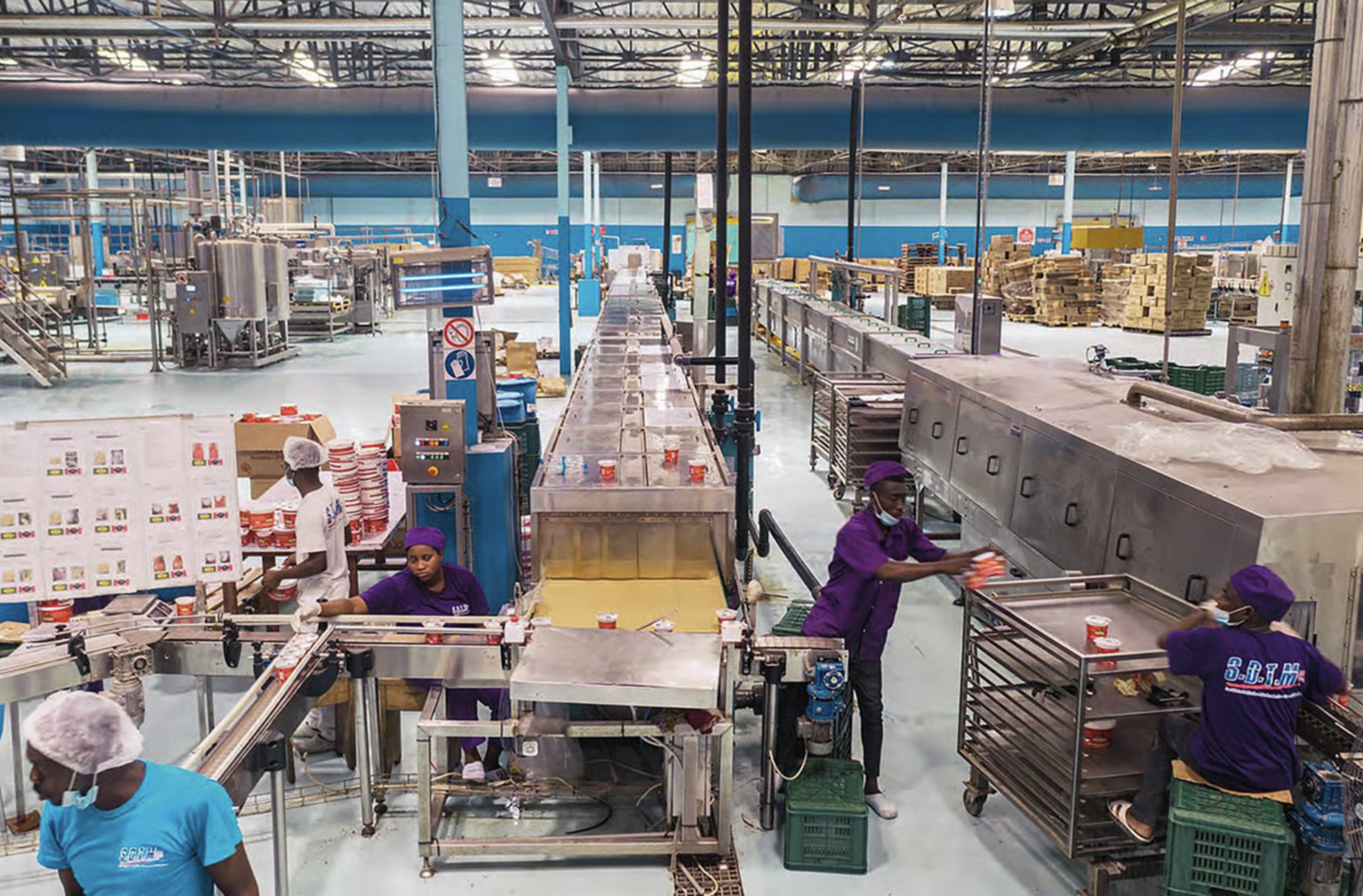
The Ivorian industry is experiencing an unprecedented rise in power. With sectoral turnover up 25% at the end of June 2025 and a contribution of 22.7% to GDP in 2024, the country relies on a diversified network of factories (from cocoa to cement, including hydrocarbons) to transform its raw materials into an engine for...
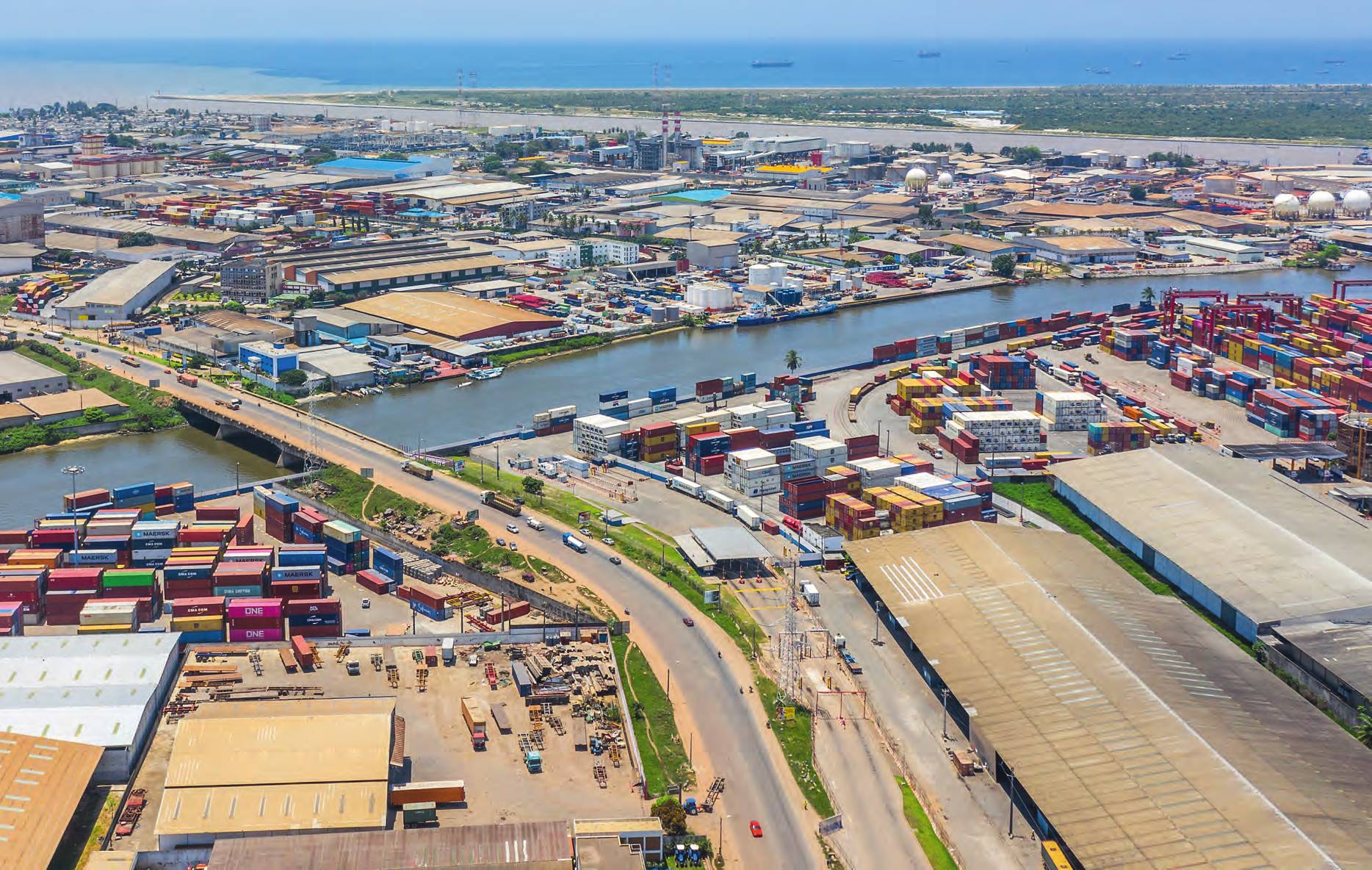
Located at the heart of the Abidjan port system, the Vridi industrial zone (ZI) is positioned as a major pillar of the Ivorian economy. Logistics connectivity, industrial dynamism and attractiveness for investors, it concentrates decisive assets in the national strategy of structural transformation of Côte d’Ivoire.
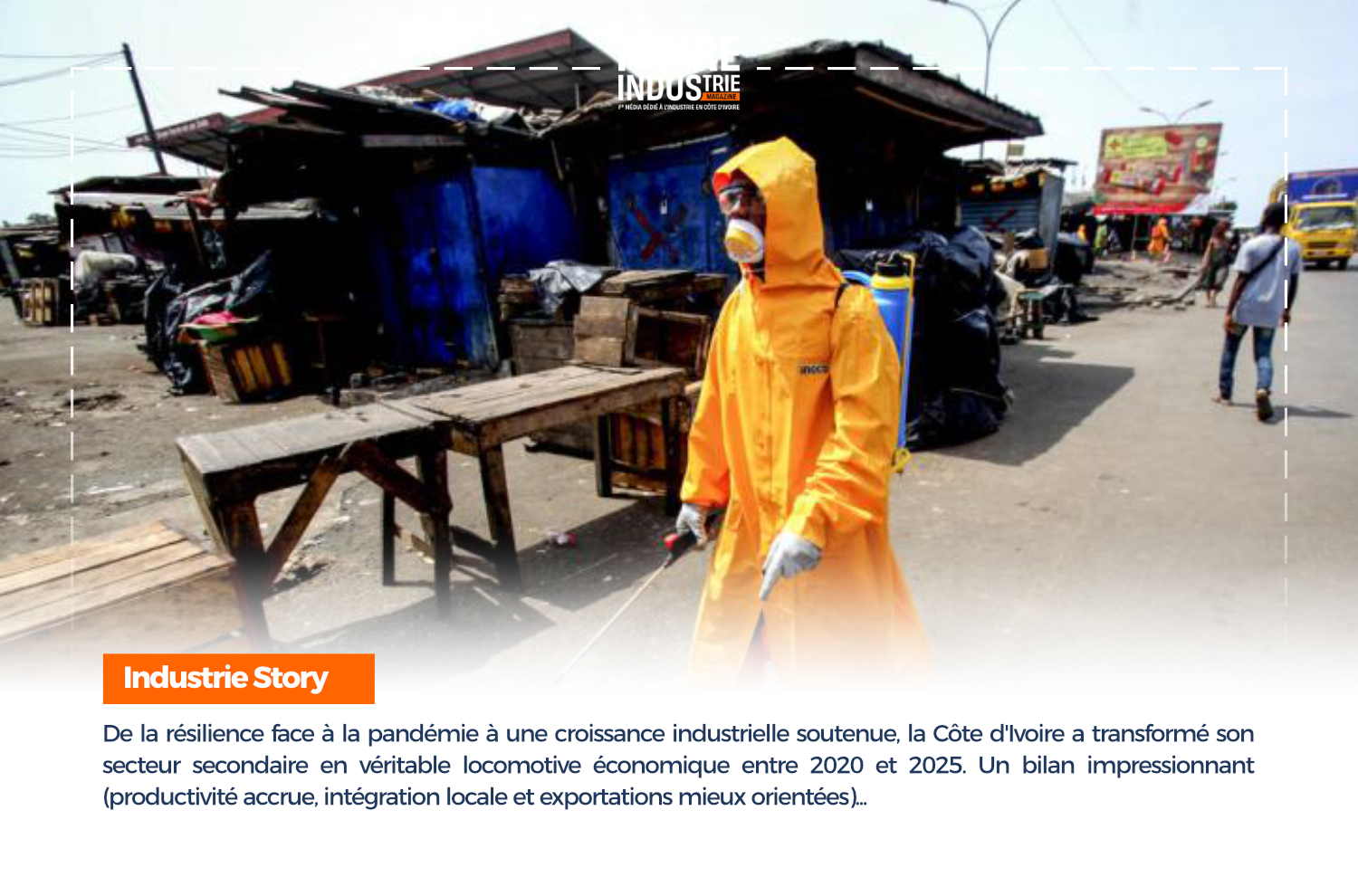
From resilience in the face of the pandemic to sustained industrial growth, Côte d'Ivoire has transformed its secondary sector into a real economic locomotive between 2020 and 2025. An impressive record (increased productivity, local integration and better oriented exports). However, structural challenges remain and ta...
After a dark decade marked by socio-political crises, Côte d'Ivoire initiated between 2010 and 2020 one of the most spectacular industrial transformations in West Africa. Driven by strong political will, a booming agro-industry and massive investments in infrastructure, the Ivorian economy has made a remarkable recover...
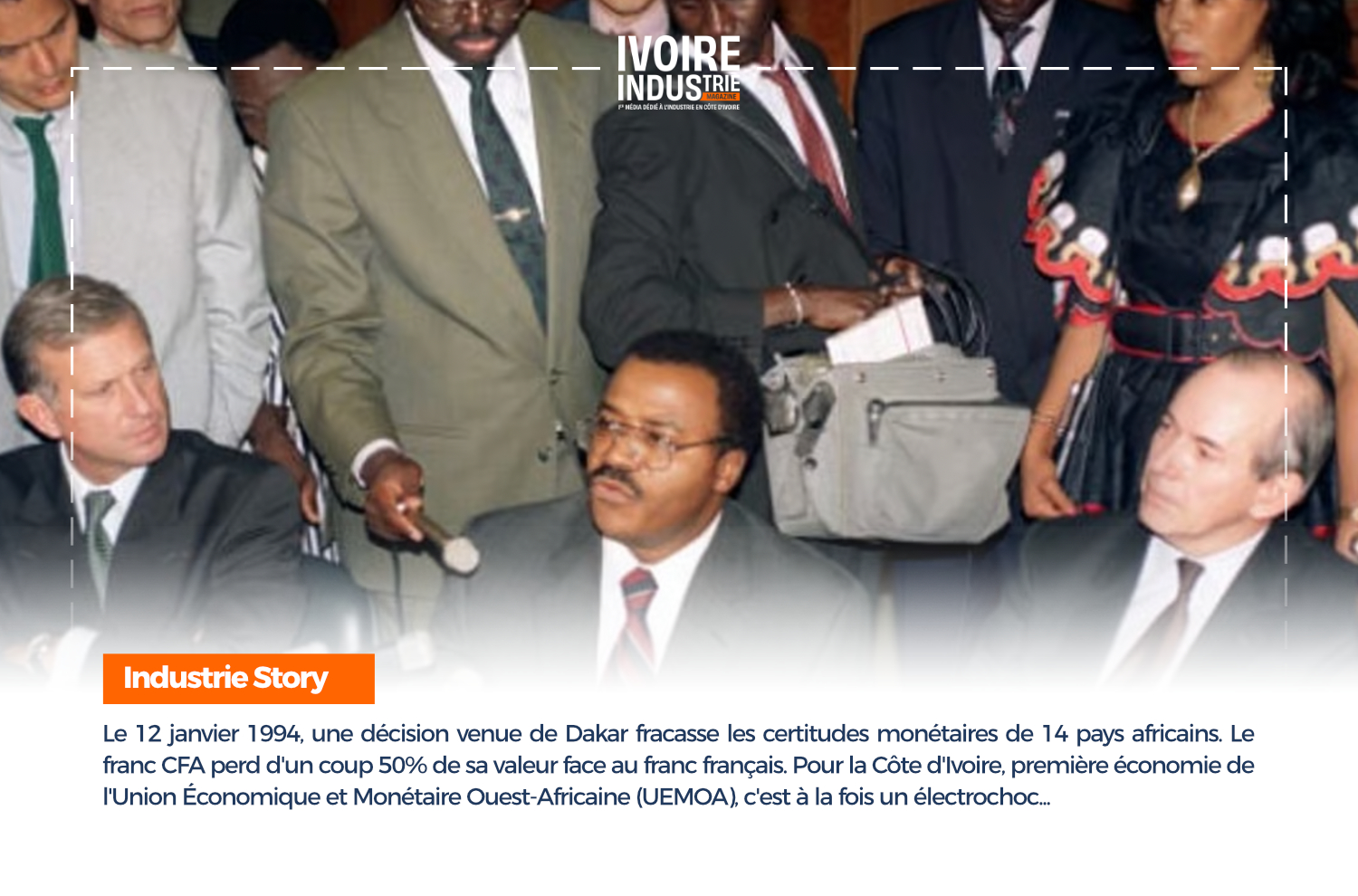
On January 12, 1994, a decision from Dakar shattered the monetary certainties of 14 African countries. The CFA franc suddenly loses 50% of its value against the French franc. For Ivory Coast, the largest economy in the West African Economic and Monetary Union (UEMOA), it is both a painful electric shock and a structura...
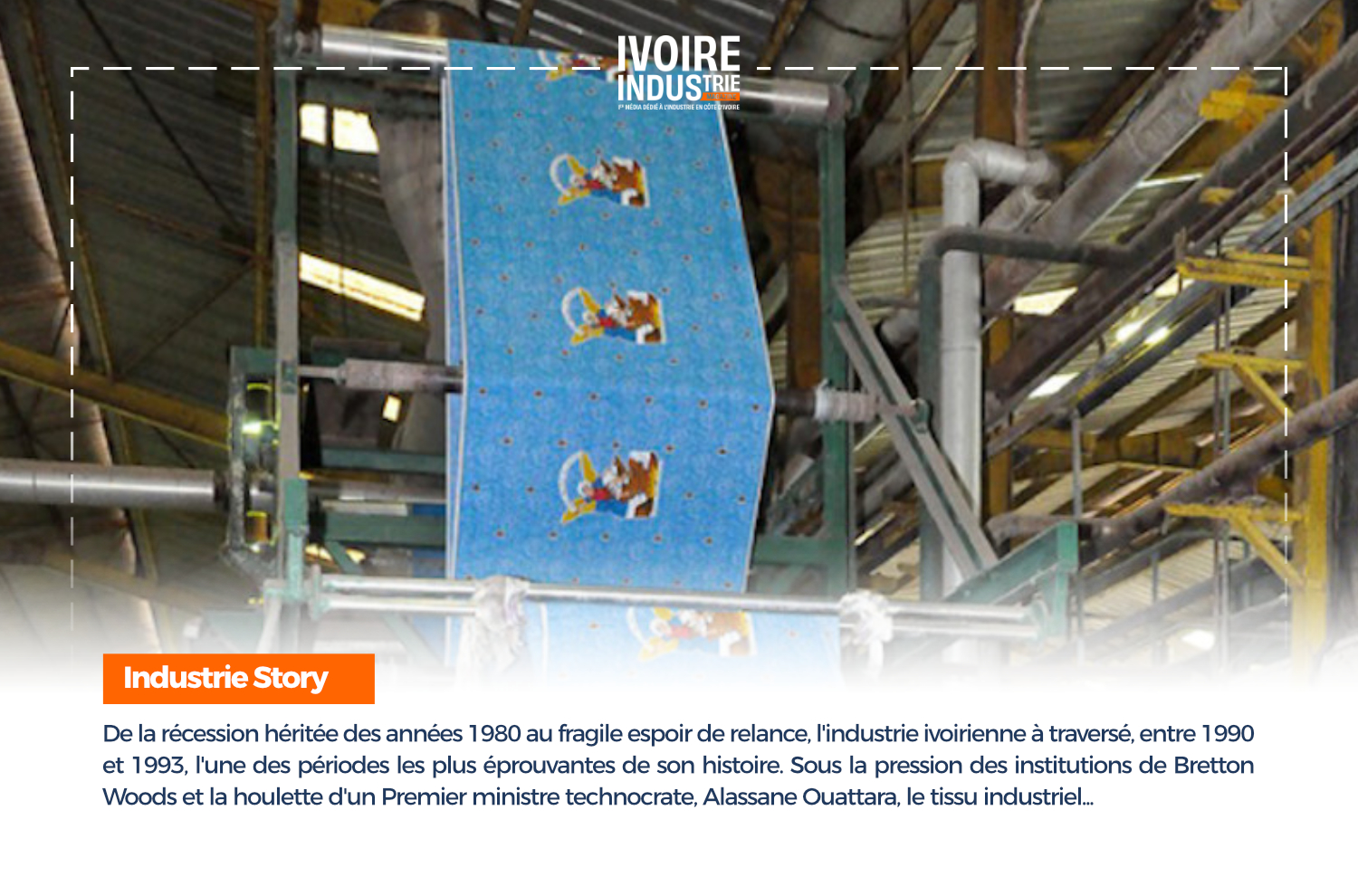
From the recession inherited from the 1980s to the fragile hope of recovery, the Ivorian industry went through, between 1990 and 1993, one of the most trying periods in its history. Under pressure from the Bretton Woods institutions and the leadership of a technocratic Prime Minister, Alassane Ouattara, the country's i...
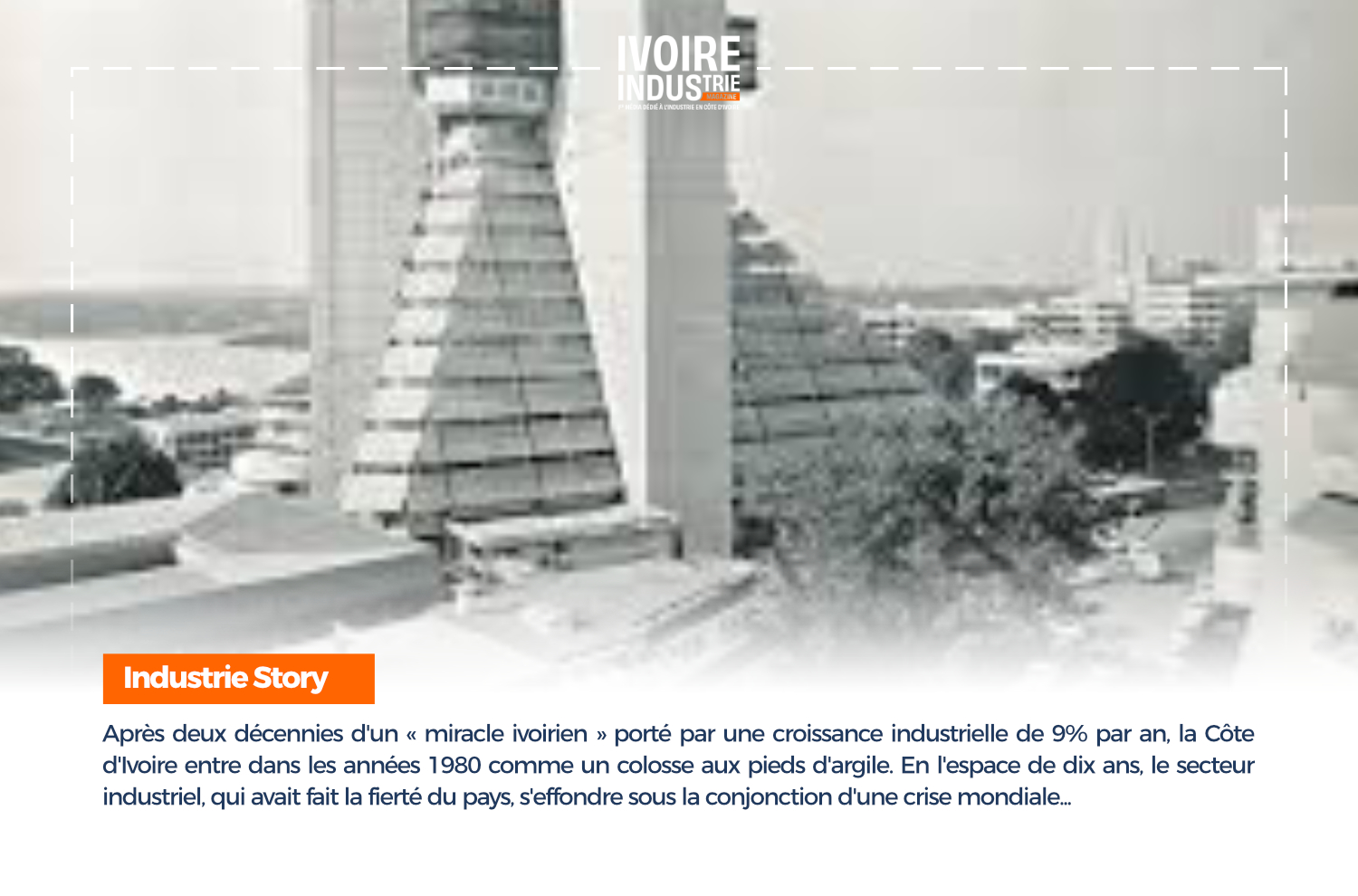
After two decades of an “Ivorian miracle” driven by industrial growth of 9% per year, Ivory Coast entered the 1980s like a colossus with feet of clay. In the space of ten years, the industrial sector, which had been the pride of the country, collapsed under the combination of a global crisis, an economic model on its l...
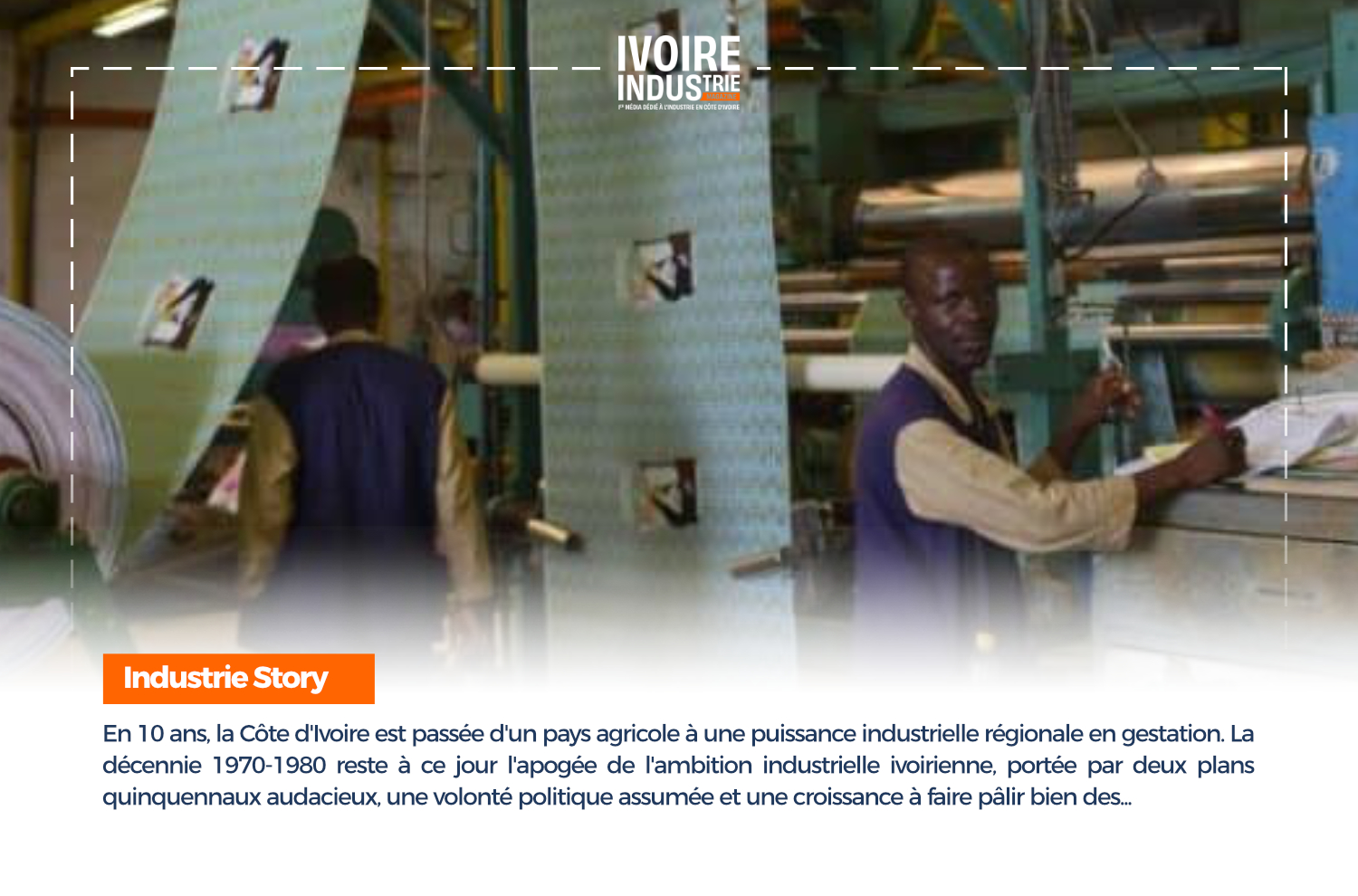
In 10 years, Côte d'Ivoire has gone from an agricultural country to a regional industrial power in the making. The 1970-1980 decade remains to this day the apogee of Ivorian industrial ambition, driven by two audacious five-year plans, an assumed political will and growth that would make many economies around the world...
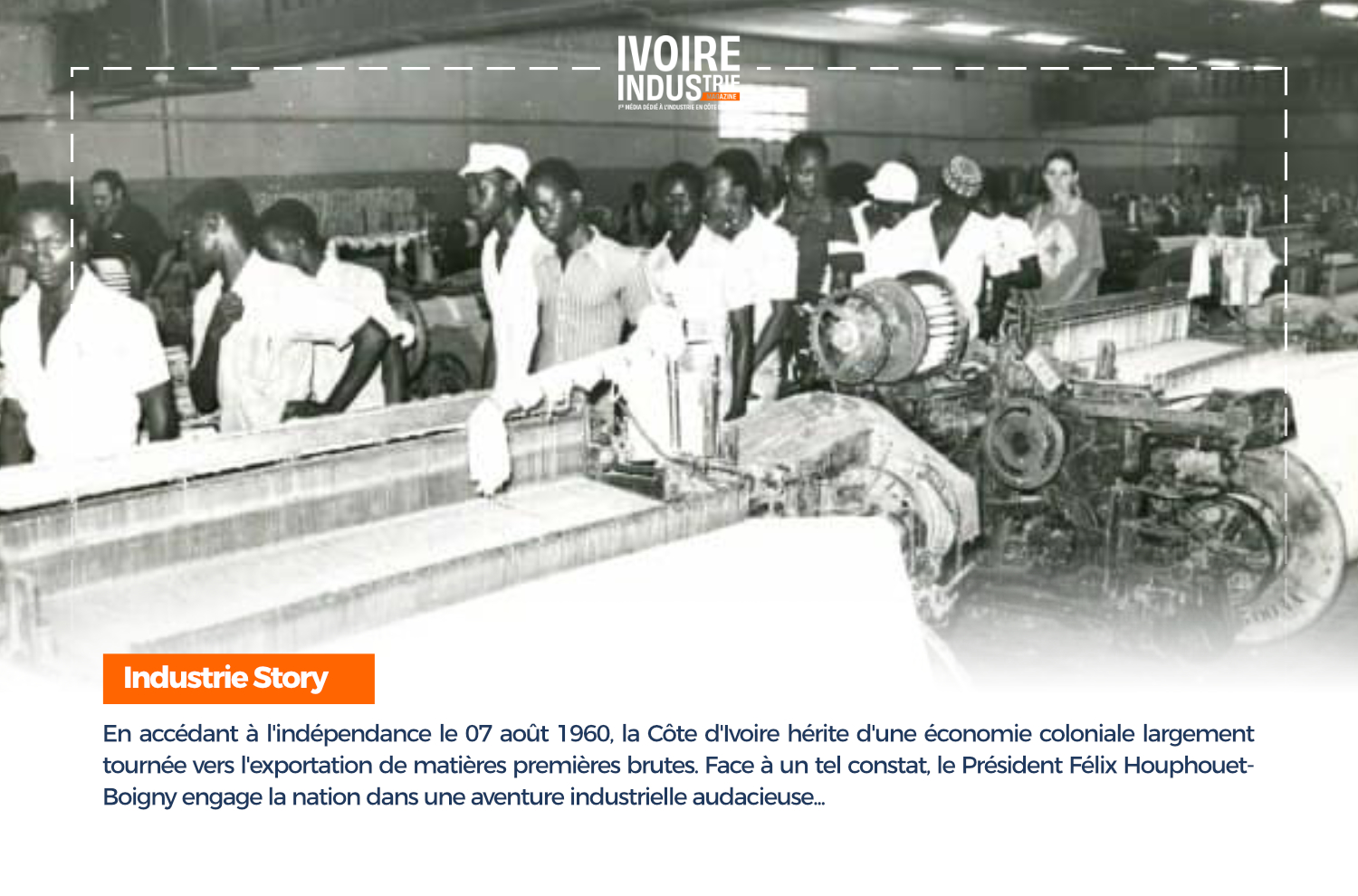
At independence on August 7, 1960, Côte d'Ivoire inherited a colonial economy largely focused on the export of raw materials. Faced with such an observation, President Félix Houphouët-Boigny commits the nation to a daring industrial adventure, based on an ambitious ten-year plan, a resolute openness to foreign capital...
 English
 Français