

48 result(s) for “Conseil Hévéa Palmier à Huile”
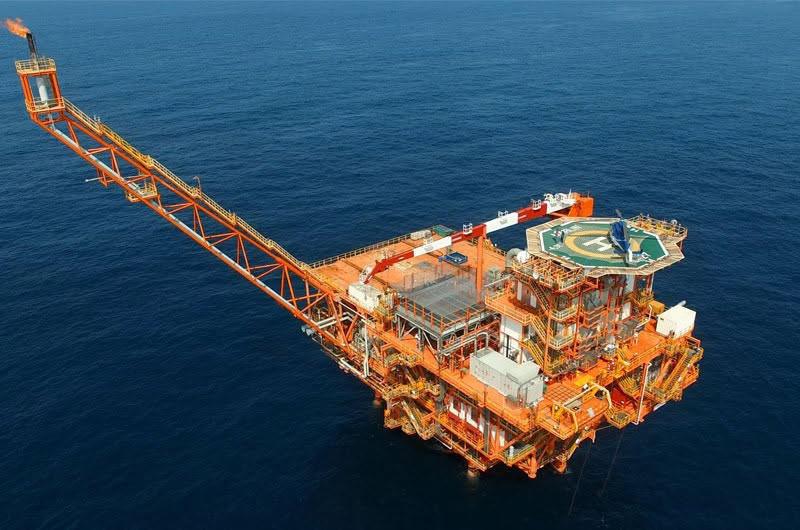
Une nouvelle campagne d’exploration menée dans le bassin sédimentaire ivoirien a conduit, à la mise en évidence d’hydrocarbures sur le bloc offshore CI-709. Réalisé à plus de 6 000 mètres de profondeur, ce forage confirme l’intérêt des zones en eaux profondes.
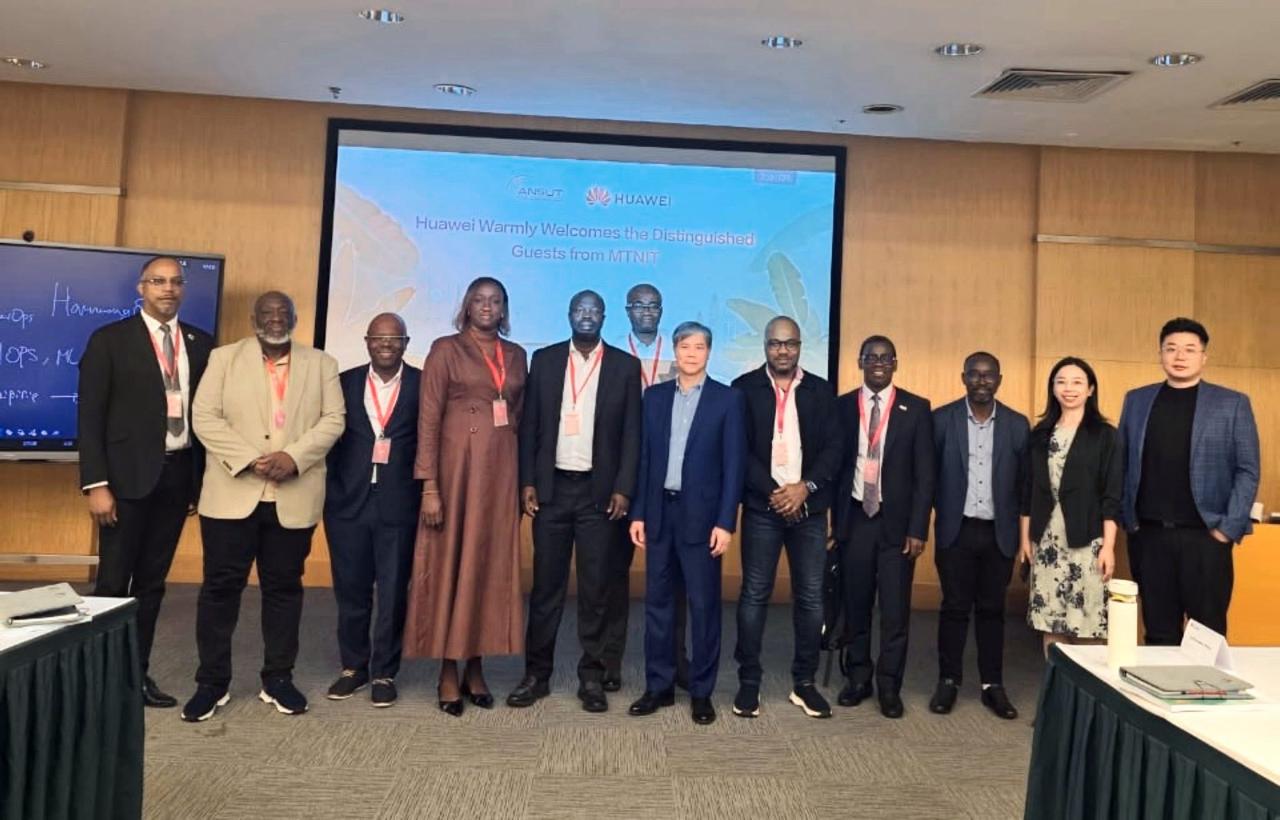
Une délégation ivoirienne a achevé récemment une mission de 5 jours au Huawei Global Training Center de Shenzhen, en Chine, l'un des pôles de référence mondiale en matière de transformation numérique. Cette mission témoigne de la volonté de la Côte d'Ivoire de s'inscrire activement dans la révolution technologique mond...
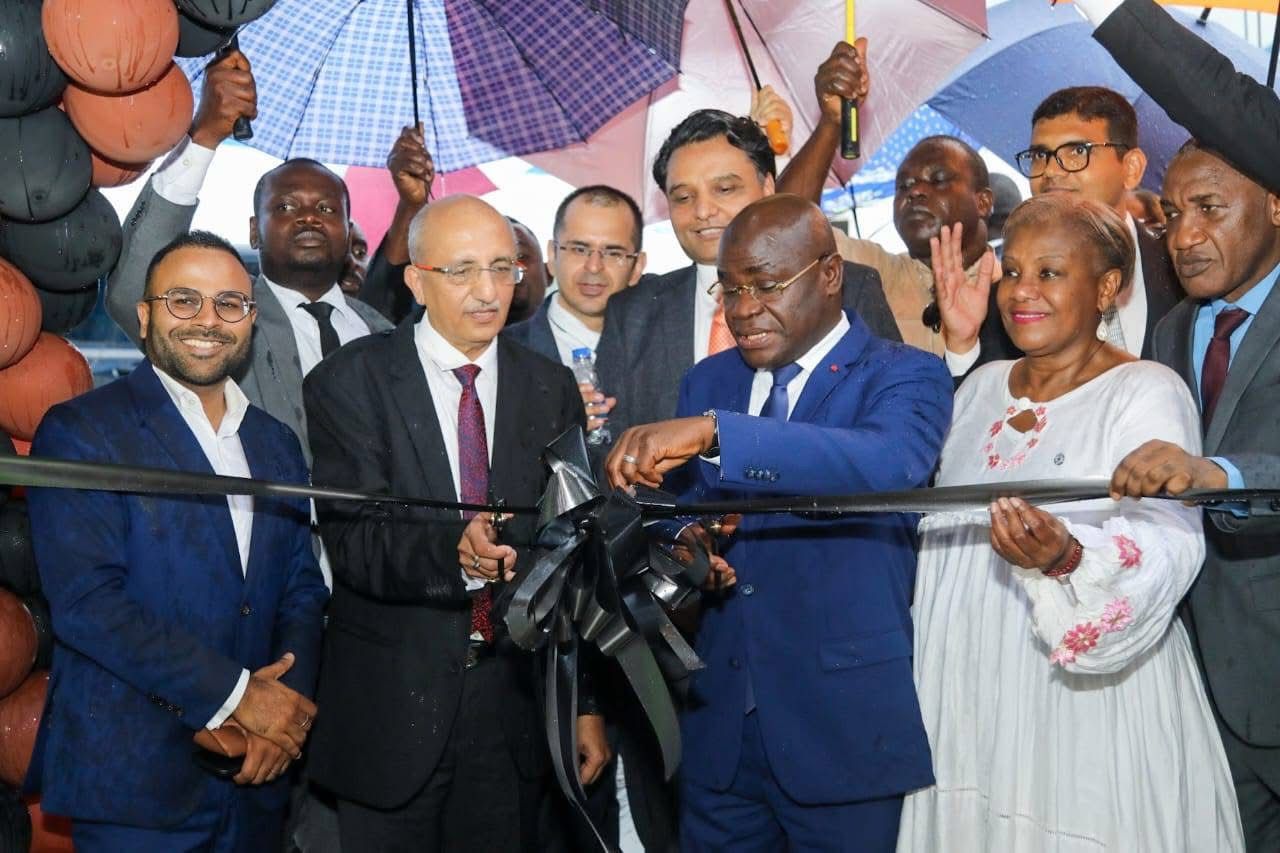
Le Ministre du Commerce, de l'Industrie et de l'Artisanat, Ibrahim Kalil Konaté, a inauguré à Attinguié, dans la zone industrielle PK 31, la première unité commerciale de grande capacité de production de biochar à partir de coques de cajou en Afrique, portée par le groupe Valency International, ce 18 juin 2026. Une pro...
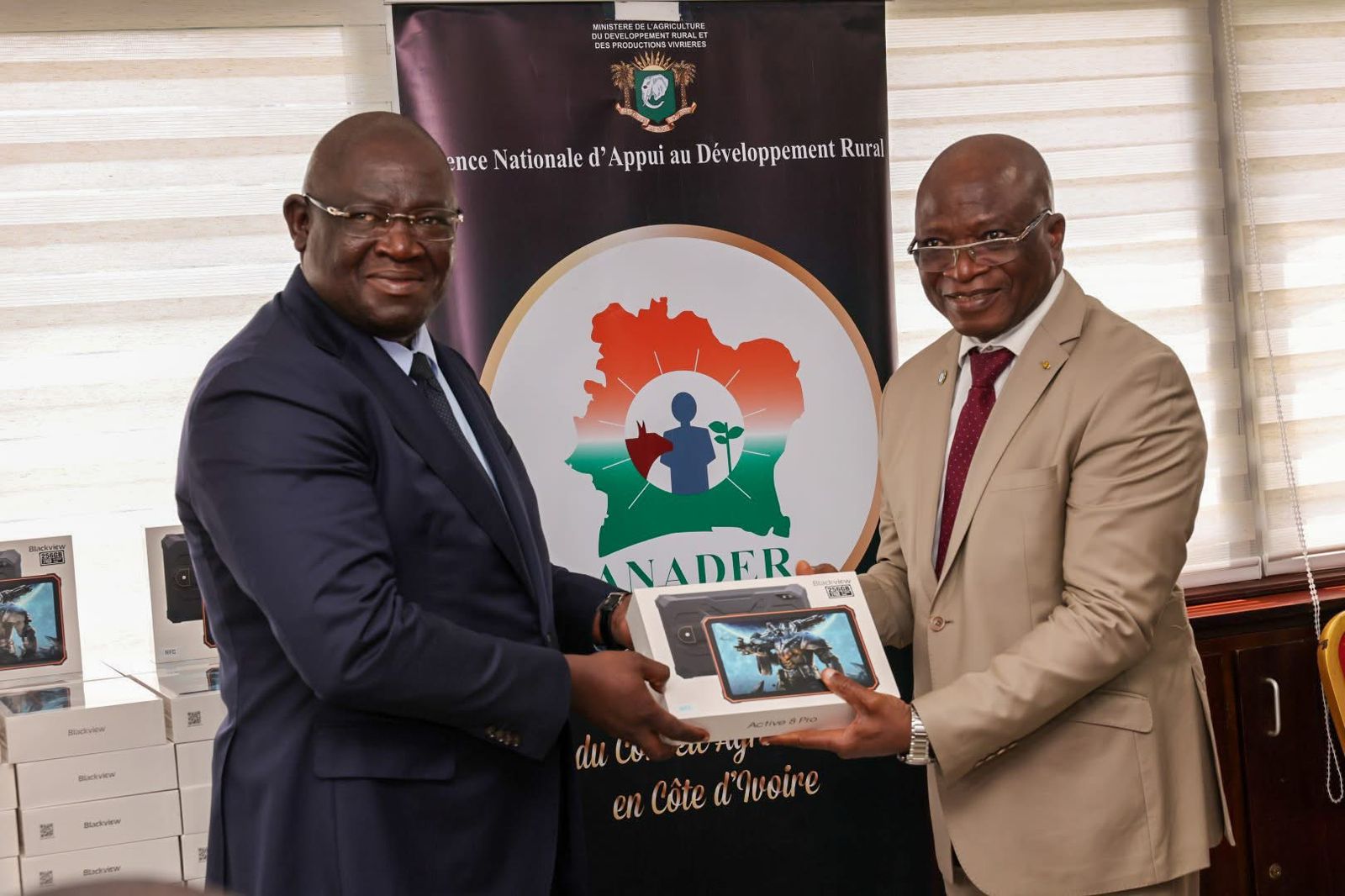
Le mercredi 17 juin 2026 a marqué une étape décisive dans la modernisation du conseil agricole ivoirien. En présence du Ministre délégué aux Productions Vivrières, Bernard Kini Comoé, l'Agence Nationale d'Appui au Développement Rural (ANADER) a reçu 150 tablettes numériques offertes par le Projet de Développement des C...
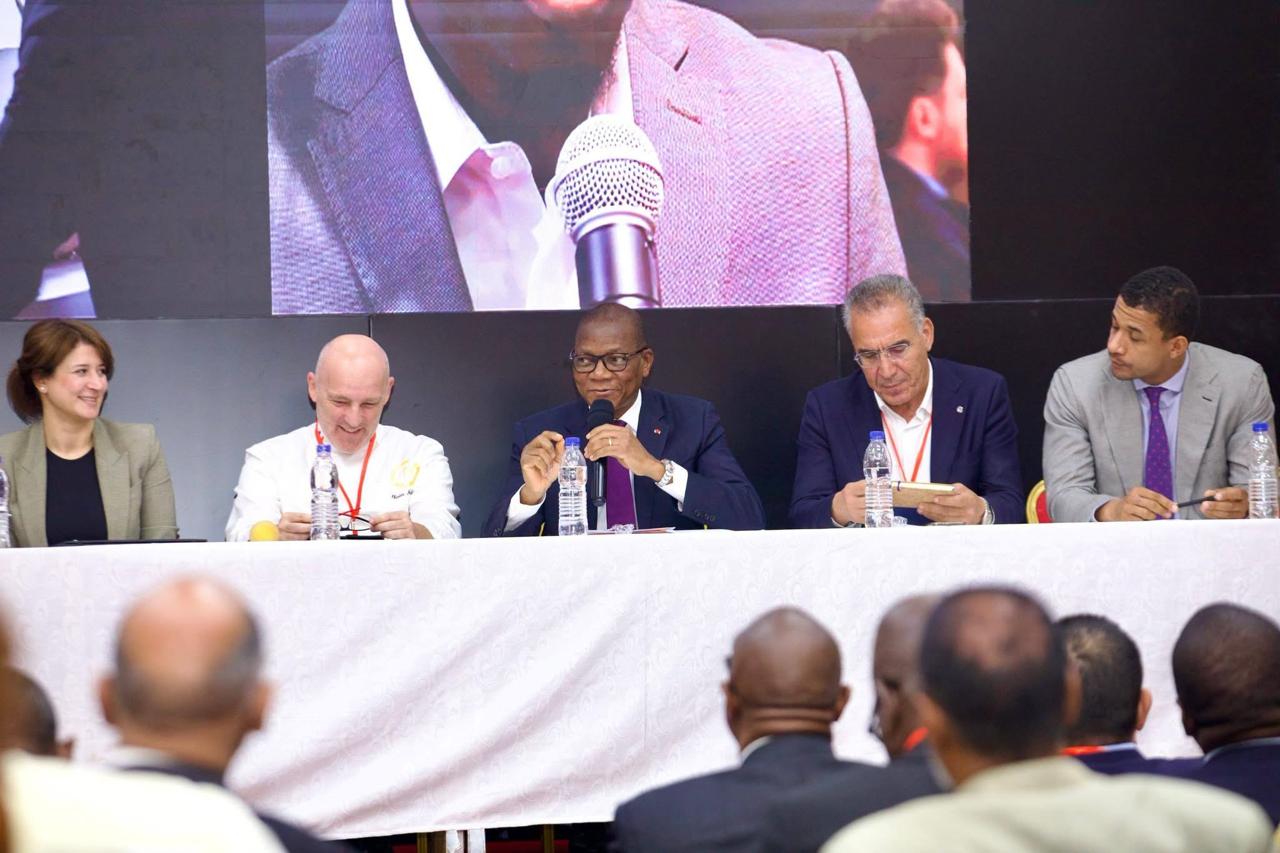
Comment renforcer la souveraineté alimentaire et accroître la valeur ajoutée créée par l’agriculture ivoirienne ? C’est à cette équation que le Ministre Bruno Nabagné Koné a apporté des éléments de réponse en présentant les cinq chantiers jugés essentiels pour soutenir la modernisation du secteur et consolider sa contr...
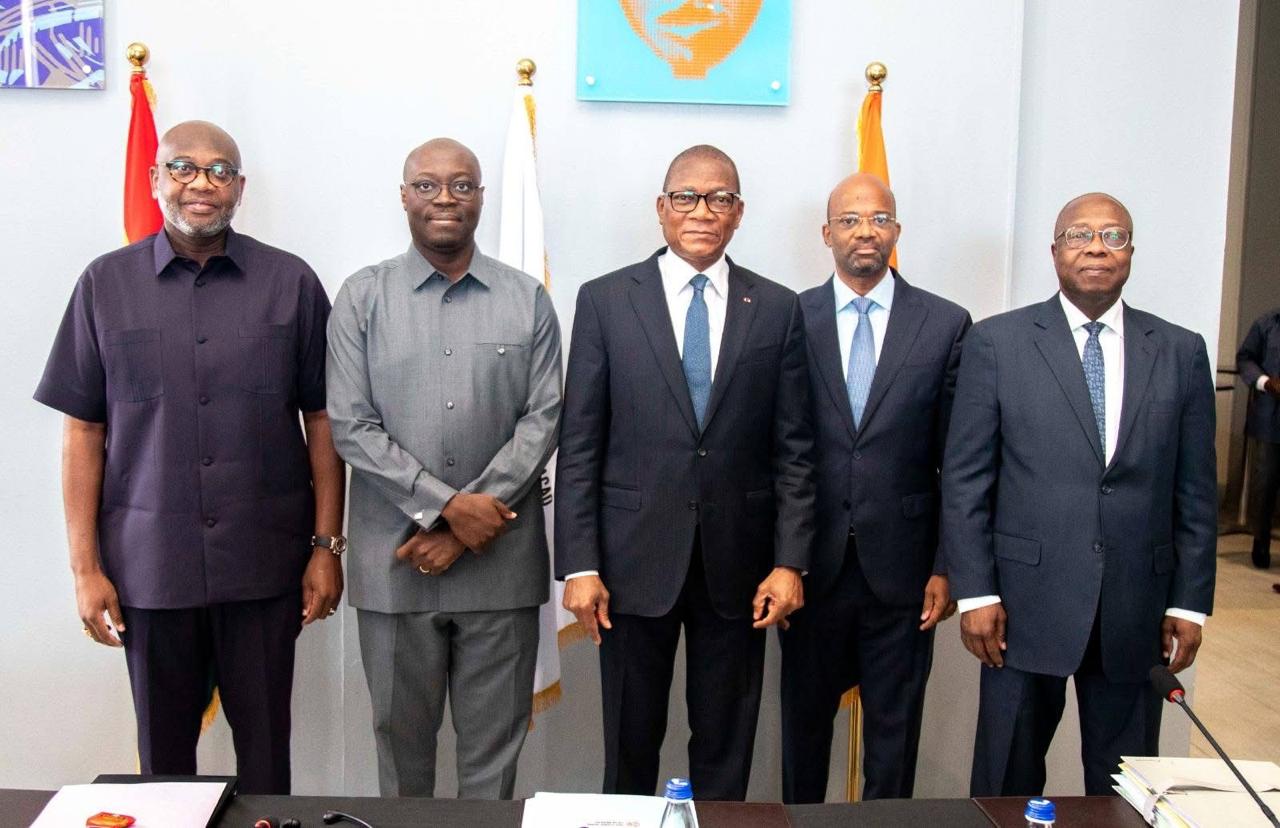
La Côte d'Ivoire et le Ghana, qui contrôlent ensemble près des deux tiers de la production mondiale de cacao, ont tenu la 7ème réunion de leur comité de pilotage conjoint, ce 15 juin 2026 à Abidjan. Au cœur des débats, l’amélioration des revenus des producteurs et la construction d'un front uni pour peser davantage sur...
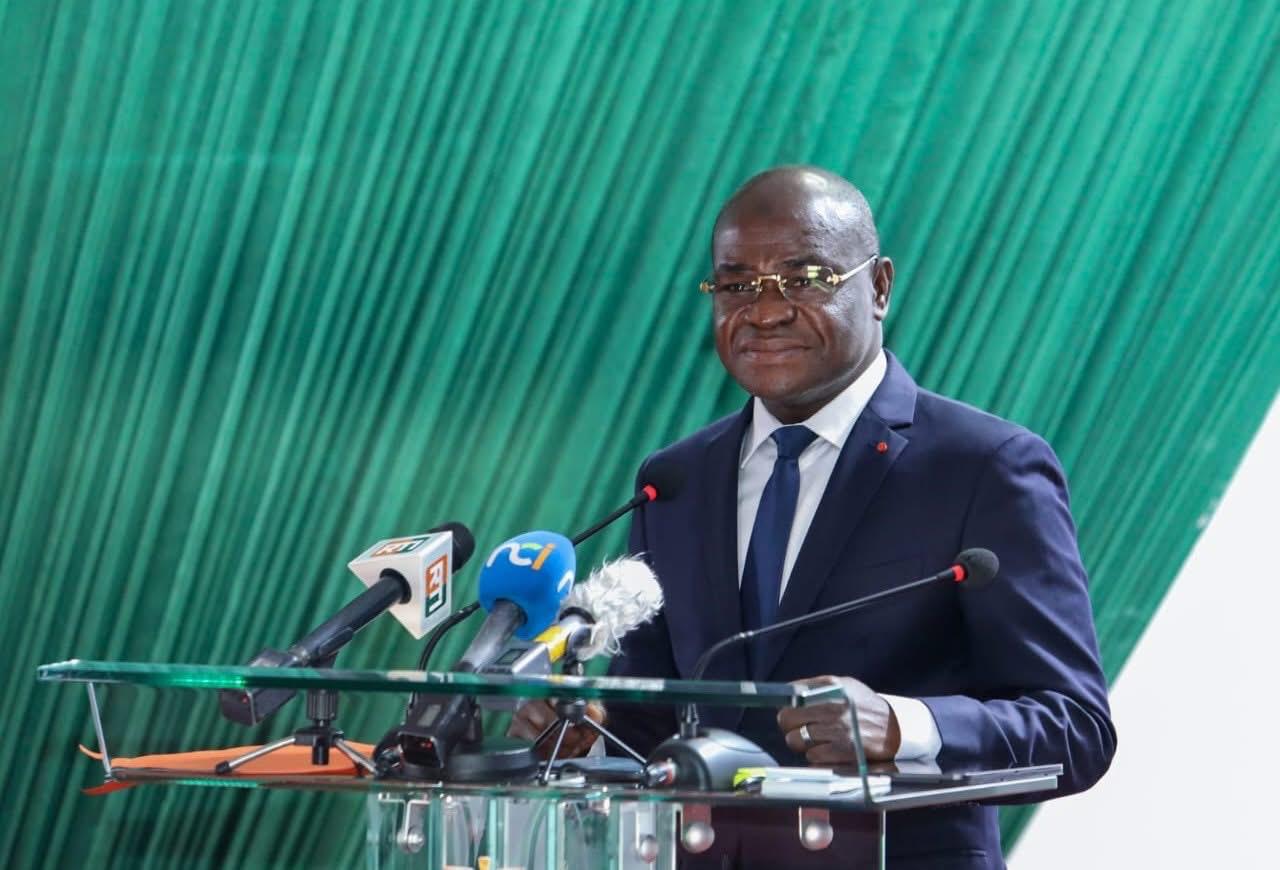
Le Ministre du Commerce, de l'Industrie et de l'Artisanat, Ibrahim Kalil Konaté, a annoncé le jeudi 11 juin 2026 le déploiement de 14 zones économiques spéciales (ZES) à travers les districts du pays, ainsi que la création de zones industrielles dans les 31 régions pour valoriser le potentiel agricole national. Une feu...

La Côte d'Ivoire vient de marquer un jalon majeur dans l'arène sanitaire internationale. Le 25 mai 2026, à Genève, le Professeur Mamadou Samba, a été élu vice-président du Conseil exécutif de l'Organisation mondiale de la Santé (OMS), en marge de la 79e Assemblée mondiale de la Santé. Une distinction qui place Abidjan...
Le Conseil du Café-Cacao lance une formation intensive, sur 10 jours, destinée aux Techniciens agricoles pour renforcer la mise en œuvre de la Norme ARS 1000, pilier de la stratégie ivoirienne pour un cacao traçable et durable.
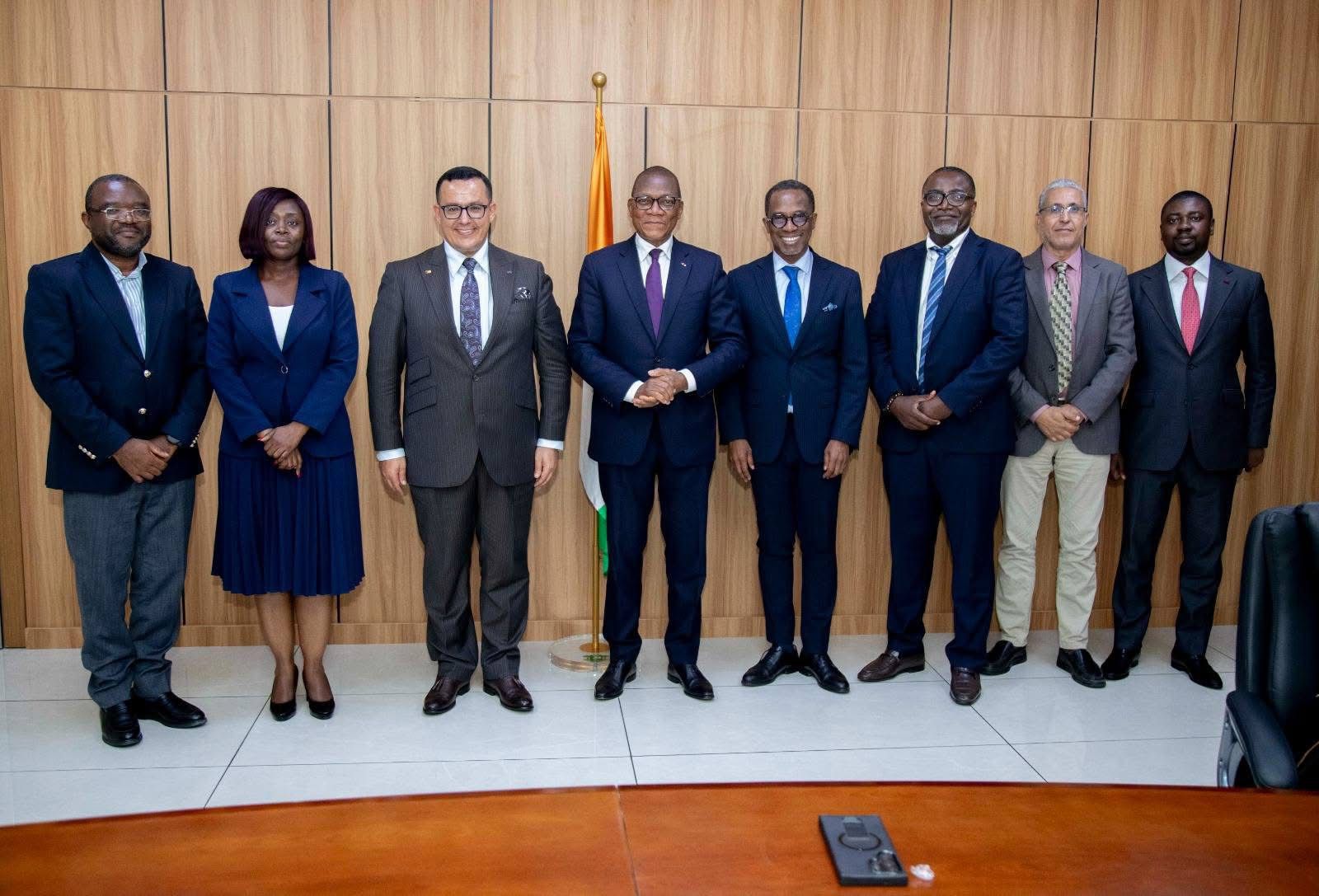
Le Ministre de l’Agriculture, du Développement rural et des Productions vivrières, Bruno Nabagné Koné, a reçu ce 20 mai 2026, une délégation de la Banque Islamique de Développement (BID) conduite par son Directeur Régional, Dr. Nabil Ghalleb. Au menu de cette rencontre, l’identification des projets agricoles éligibles...
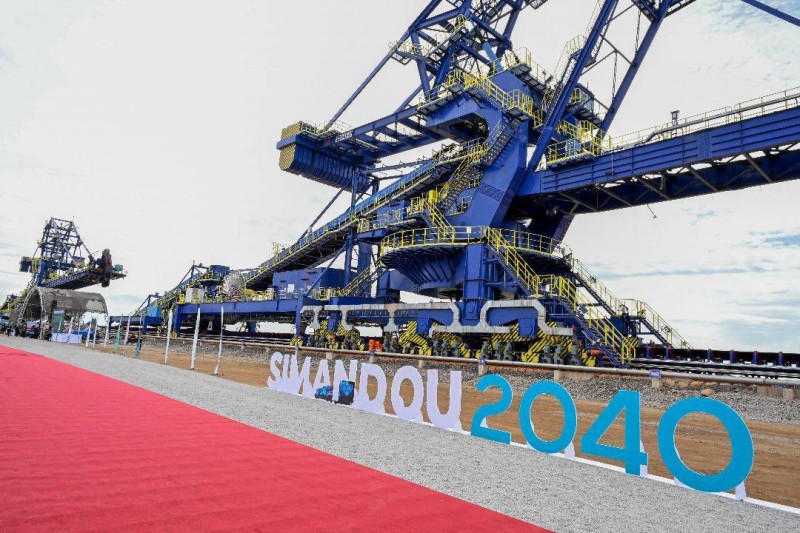
La République de Guinée a officiellement lancé, en novembre 2025, la première exportation de minerai de fer du gisement de Simandou, marquant le départ d'un programme de développement sur quinze ans capable de redessiner les équilibres économiques du continent africain.
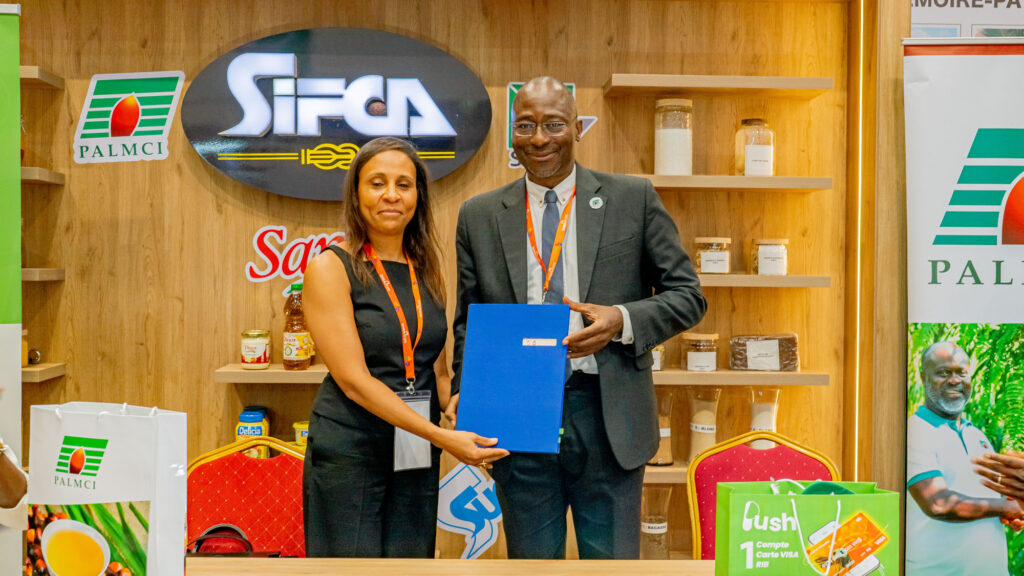
Dans l'univers exigeant de l'agro-industrie ivoirienne, Lacina Coulibaly s'impose comme une figure de référence. À la tête de PALMCI, filiale stratégique du puissant Groupe SIFCA et cotée à la Bourse Régionale des Valeurs Mobilières (BRVM), il incarne une vision moderne et ambitieuse du secteur agroalimentaire en Côte...
 English
 Français