

36 result(s) for “Code de la construction”
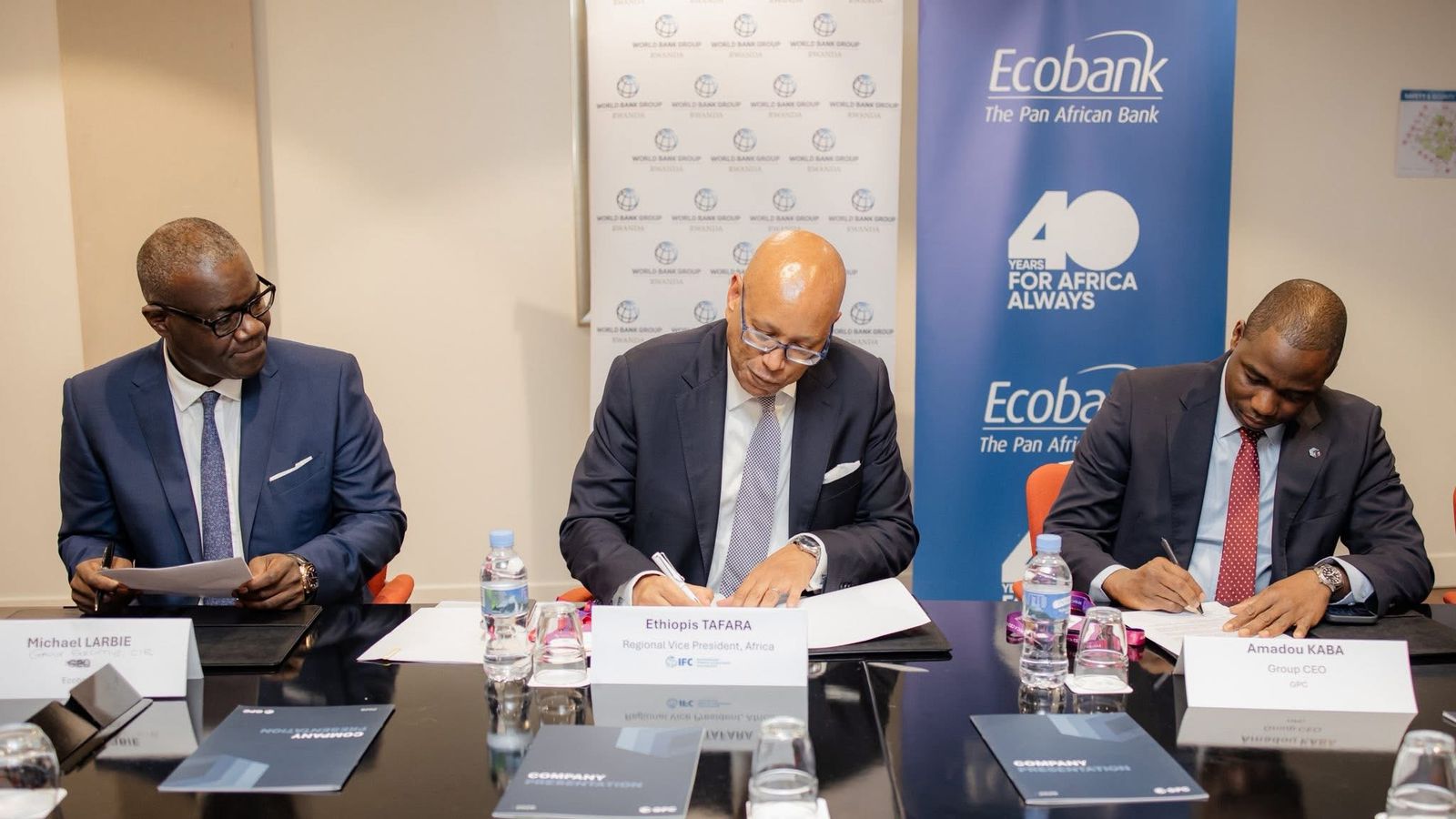
La Guinéenne de Prestation et de Construction Groupe, Ecobank Guinée and the Société Financière Internationale have sealed, on the sidelines of the Africa CEO Forum 2026, a structuring financing agreement of 40 million US dollars. A strong signal sent to investors about the potential of the Guinean private sector.
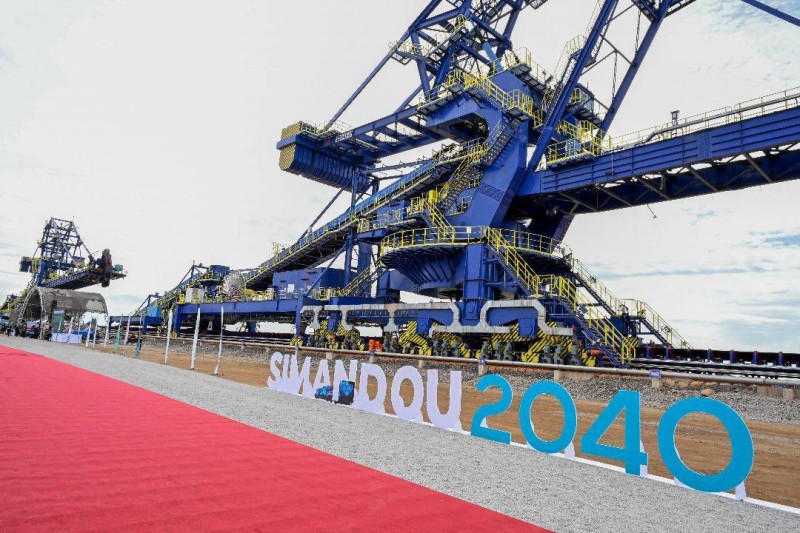
The Republic of Guinea officially launched, in November 2025, the first export of iron ore from the Simandou deposit, marking the start of a fifteen-year development program capable of reshaping the economic balance of the African continent.

In Ivory Coast, industrialization is no longer based solely on political ambitions, but on a rapidly changing legal arsenal. From law n°2025-393 of June 11, 2025 on industrial zones to texts on free zones and standardization, the State is refining its tools to attract investors, organize industrial space and better sup...
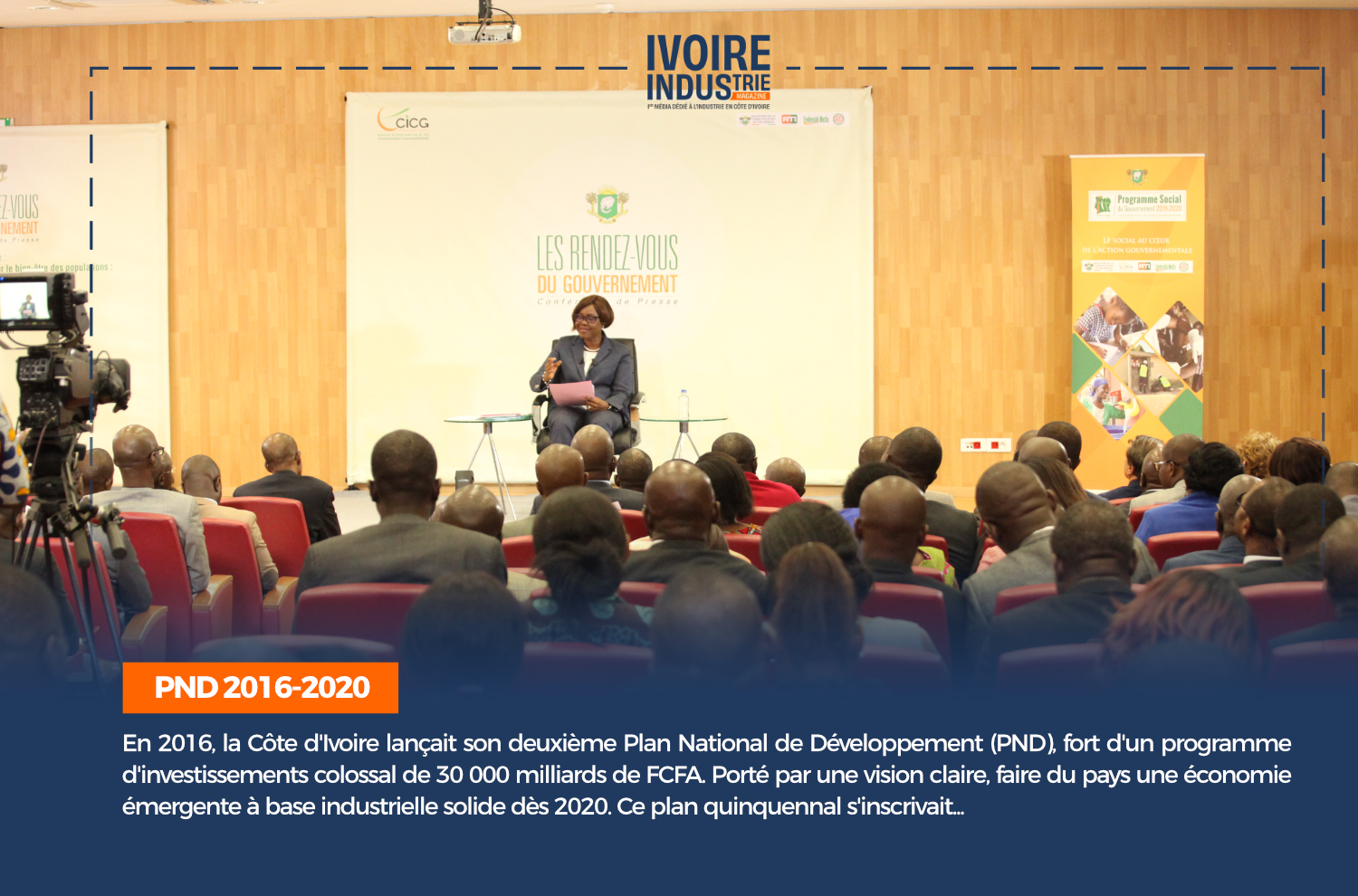
In 2016, Côte d'Ivoire launched its second National Development Plan (PND), with a colossal investment program of 30,000 billion FCFA. Driven by a clear vision, to make the country an emerging economy with a solid industrial base from 2020. This five-year plan was a continuation of the 2012-2015 PND, the results of whi...
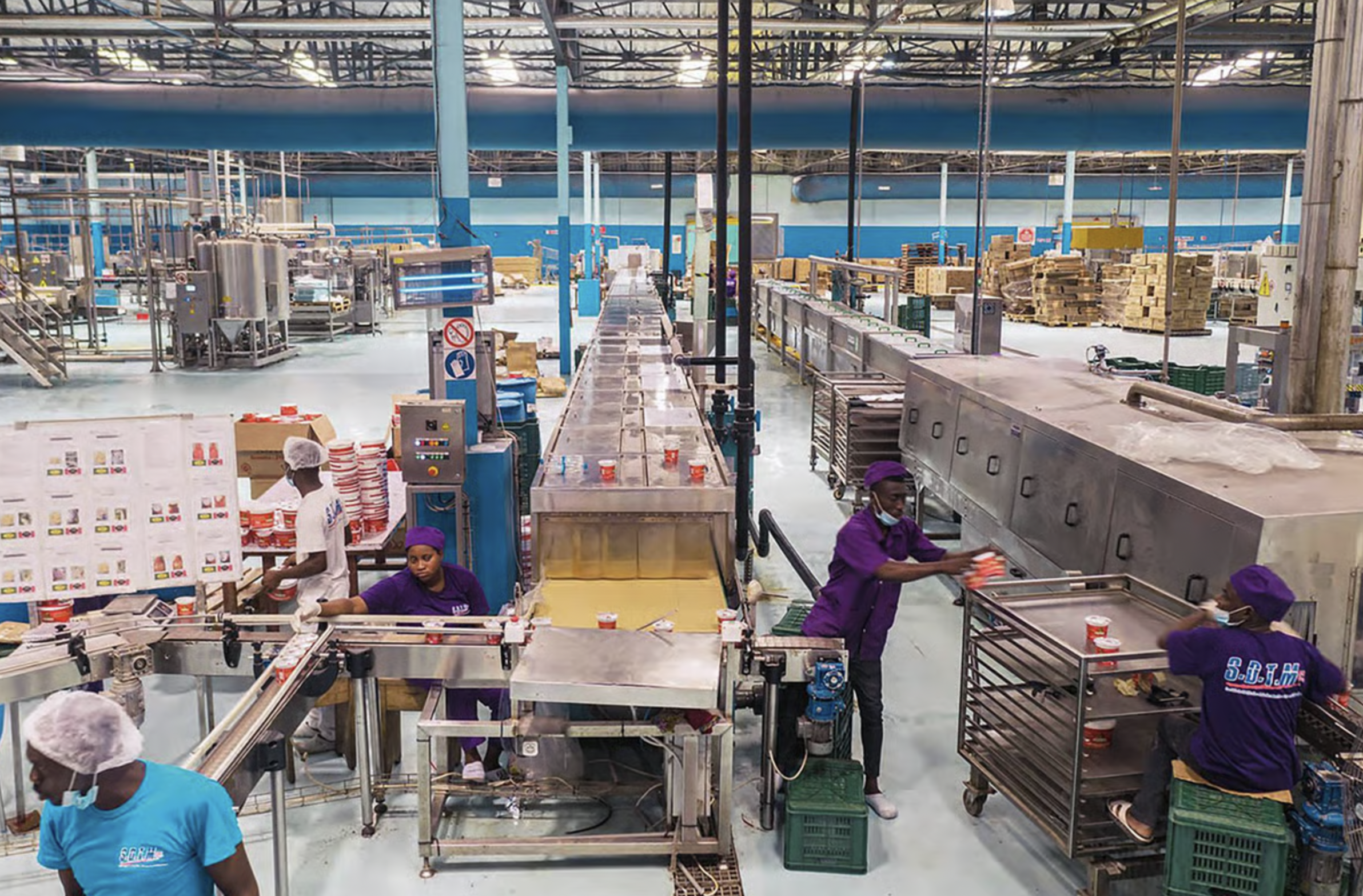
The Ivorian industry is experiencing an unprecedented rise in power. With sectoral turnover up 25% at the end of June 2025 and a contribution of 22.7% to GDP in 2024, the country relies on a diversified network of factories (from cocoa to cement, including hydrocarbons) to transform its raw materials into an engine of...
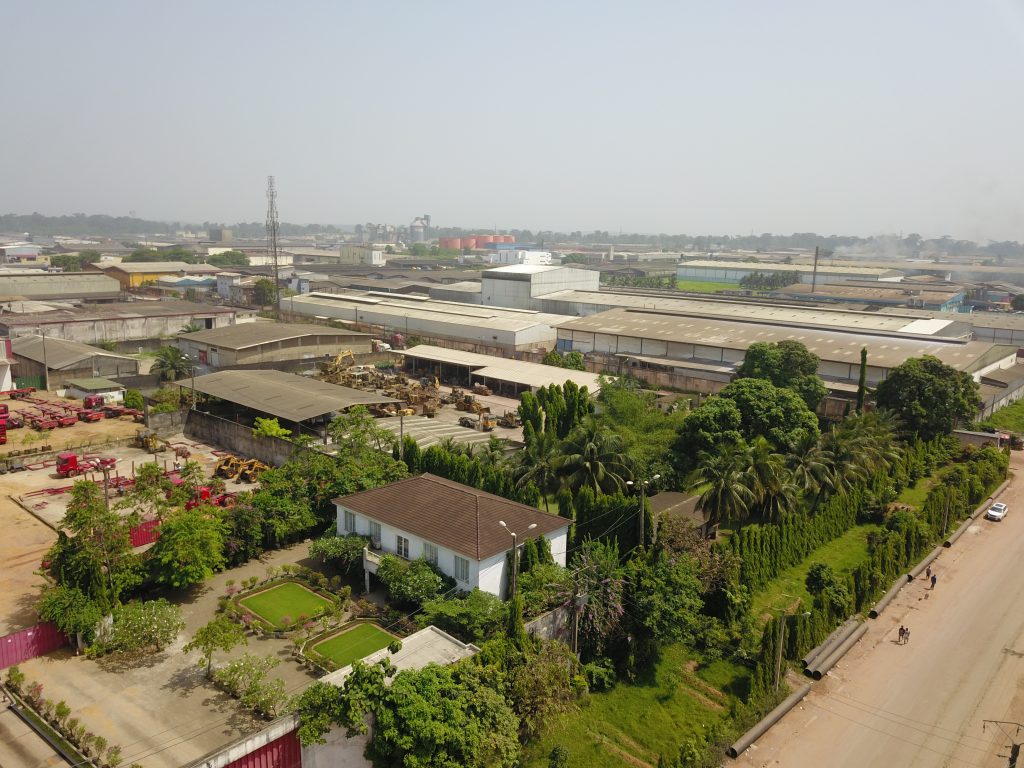
A true economic lung of Abidjan, the Yopougon industrial zone (ZI) stands out as a strategic pillar of the industrial development of Côte d'Ivoire. Between entrepreneurial dynamism, concentration of key industries and prospects for expansion, it embodies the structural transformation of the Ivorian economy and its ambi...
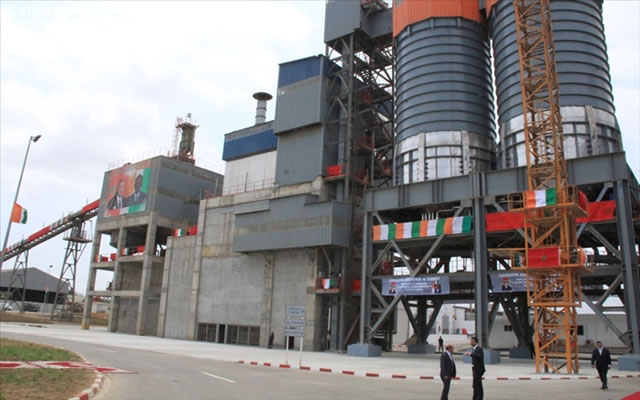
Ivory Coast is accelerating its industrial transformation by structuring the territory around a constellation of zones dedicated to factories, long concentrated around Abidjan and now extended towards the interior of the country. From the old Koumassi area to the new Akoupé-Zeudji PK24 platform, via Yopougon, Bouaké or...
Ivorian industry has gone through one of the most decisive periods in its history, from the devaluation of the CFA franc to the first privatizations. Between shock therapies imposed by the Bretton Woods institutions, renewed competitiveness and persistent structural fragilities, the country's industrial fabric has been...
From independence to the late 1970s, Ivory Coast had accomplished what few developing nations could claim. Sustained, spectacular economic growth, envied by its neighbors and celebrated in the capitals of the world. This “Ivorian miracle”, driven by coffee, cocoa and a liberal political will, remains one of the most da...
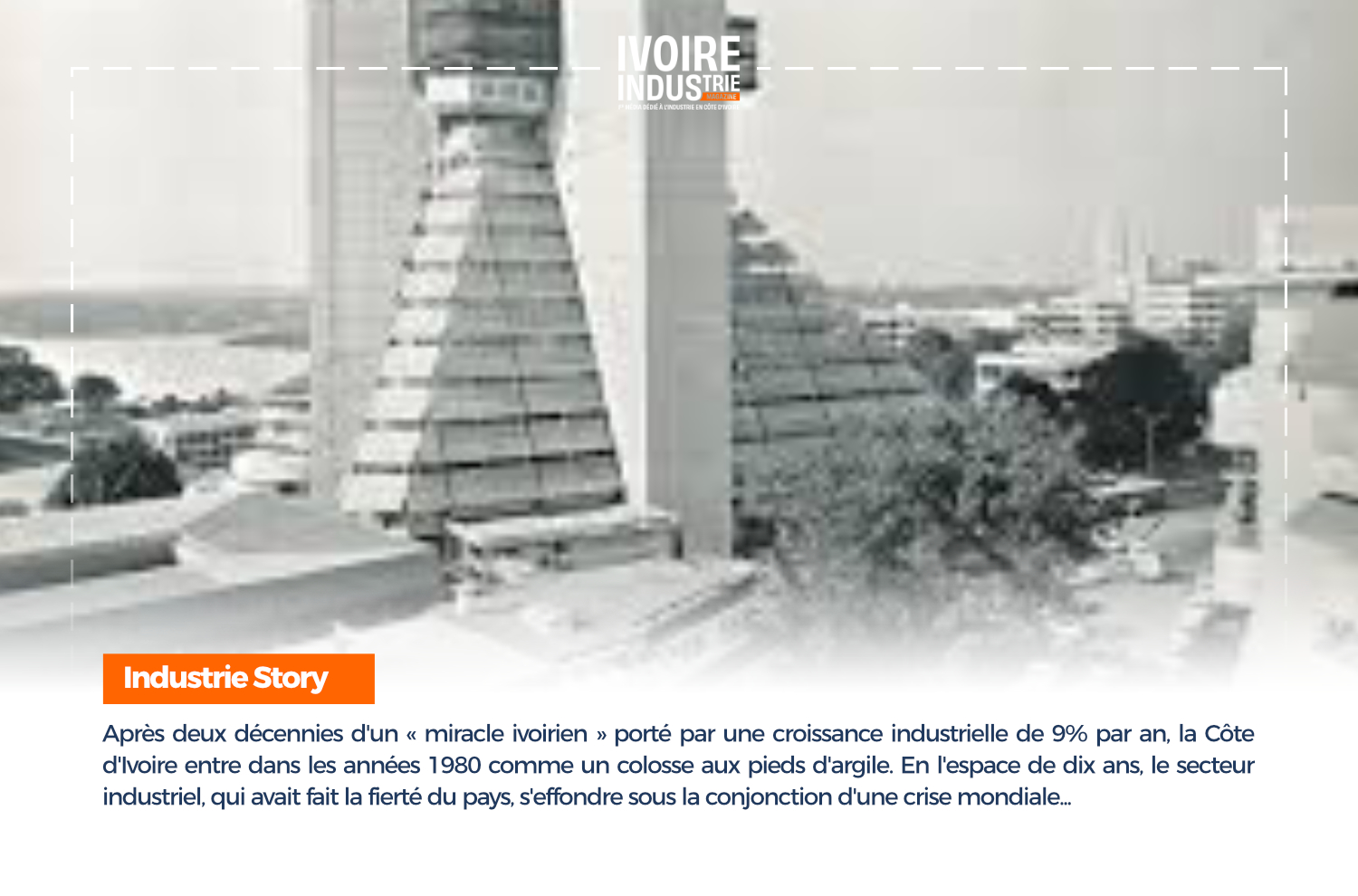
After two decades of an “Ivorian miracle” driven by industrial growth of 9% per year, Ivory Coast entered the 1980s like a colossus with feet of clay. In the space of ten years, the industrial sector, which had been the pride of the country, collapsed under the combination of a global crisis, an economic model on its l...
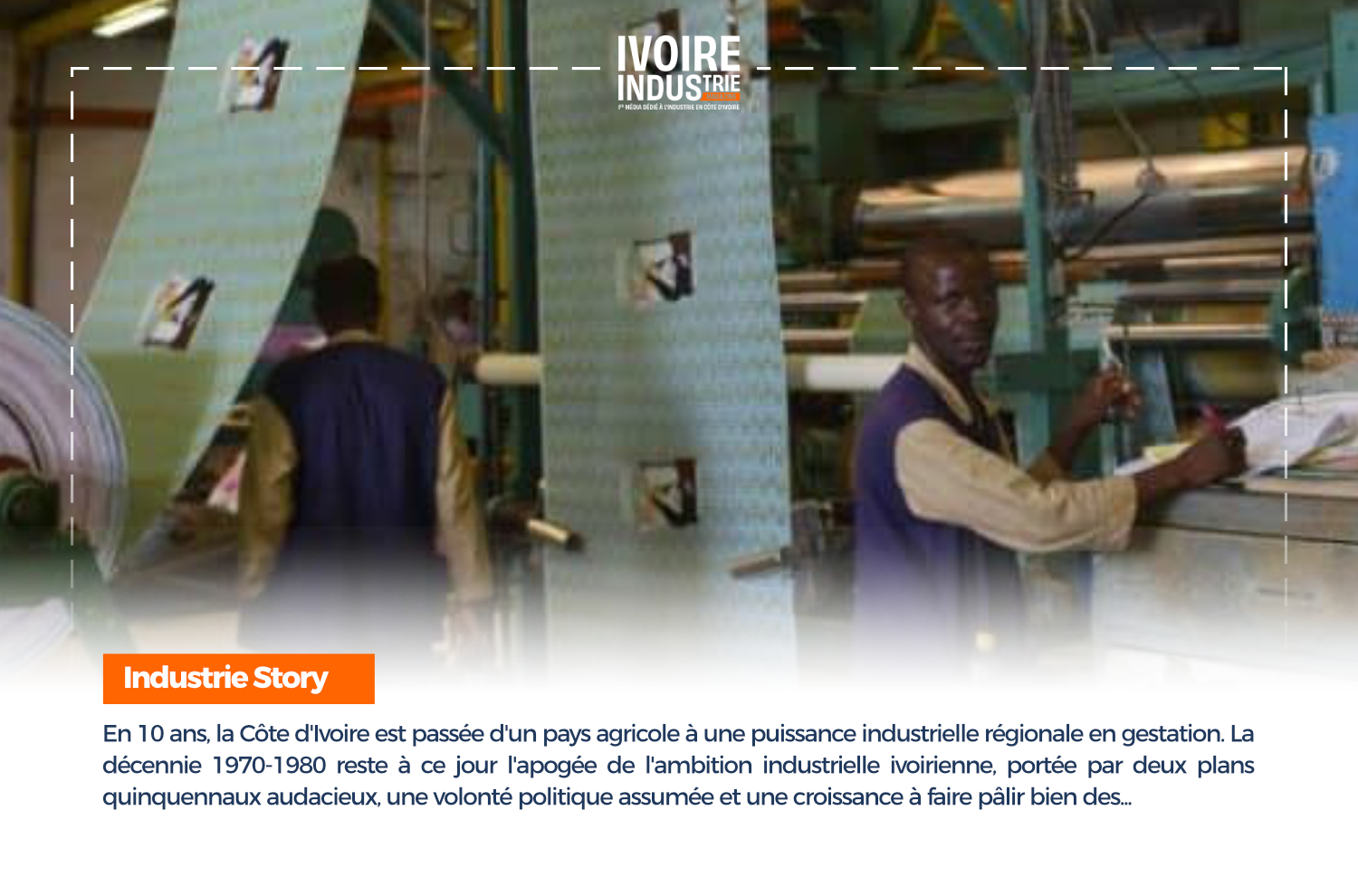
In 10 years, Côte d'Ivoire has gone from an agricultural country to a regional industrial power in the making. The 1970-1980 decade remains to this day the apogee of Ivorian industrial ambition, driven by two audacious five-year plans, an assumed political will and growth that would put many of the world's economies to...
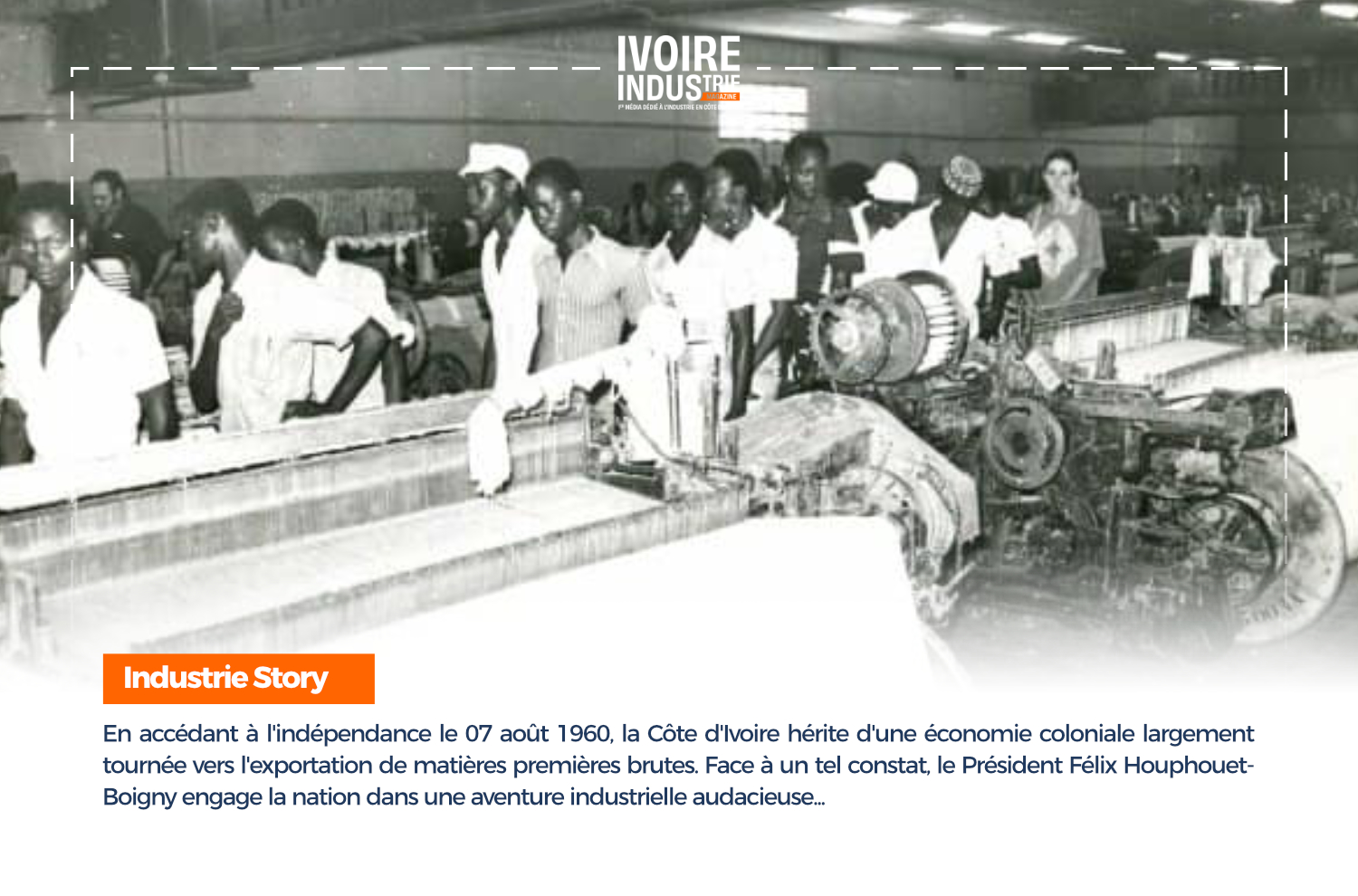
At independence on August 7, 1960, Côte d'Ivoire inherited a colonial economy largely focused on the export of raw materials. Faced with such an observation, President Félix Houphouët-Boigny commits the nation to a daring industrial adventure, based on an ambitious ten-year plan, a resolute openness to foreign capital...
 English
 Français