

167 result(s) for “Fonds National Suisse”
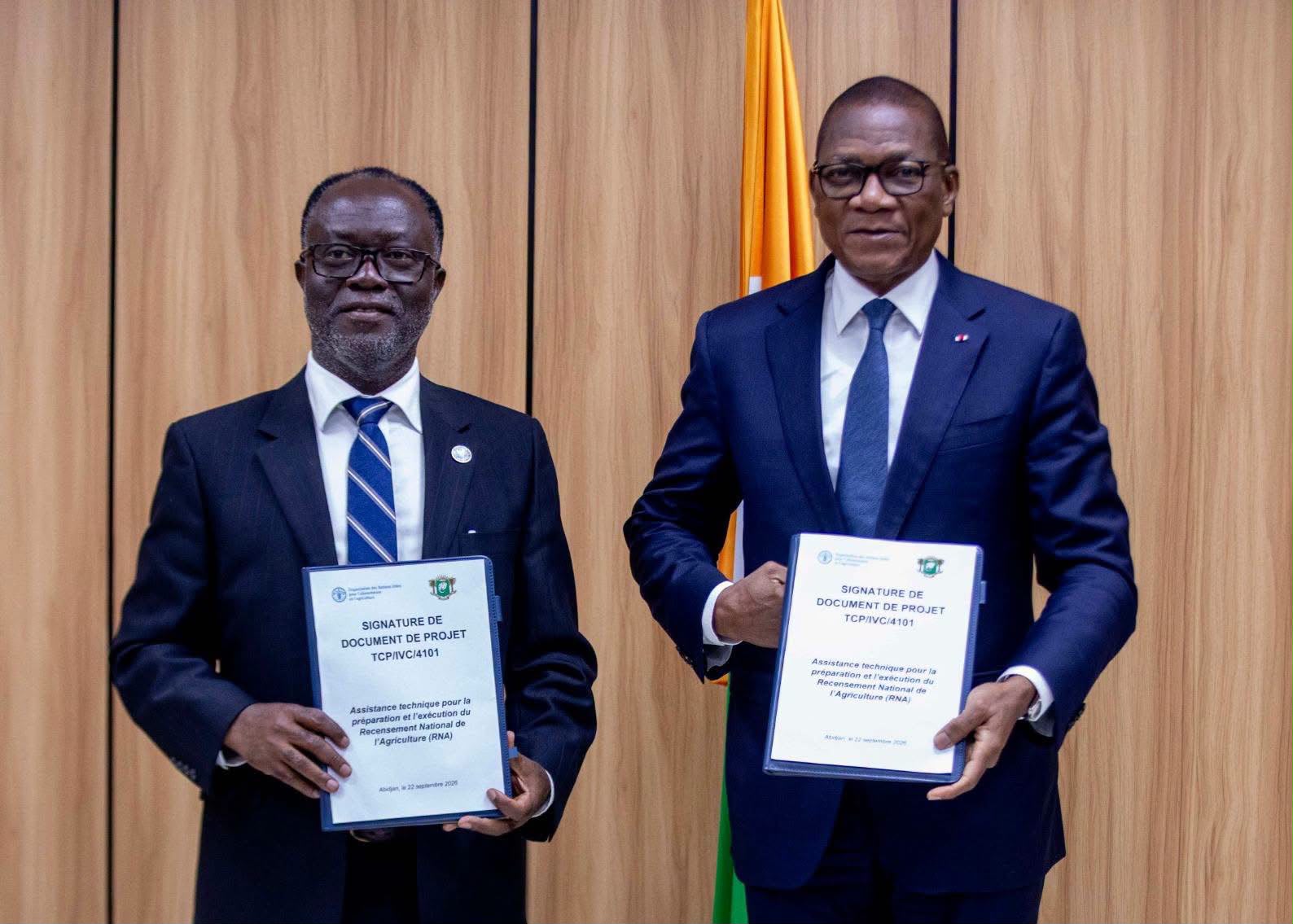
Dix ans après le dernier recensement agricole, la Côte d'Ivoire relance ses statistiques rurales. Le Ministre de l'Agriculture, du Développement Rural et des Productions Vivrières Bruno Nabagné Koné a signé récemment une convention avec l'Organisation des Nations unies pour l'alimentation et l'agriculture (FAO) lançan...
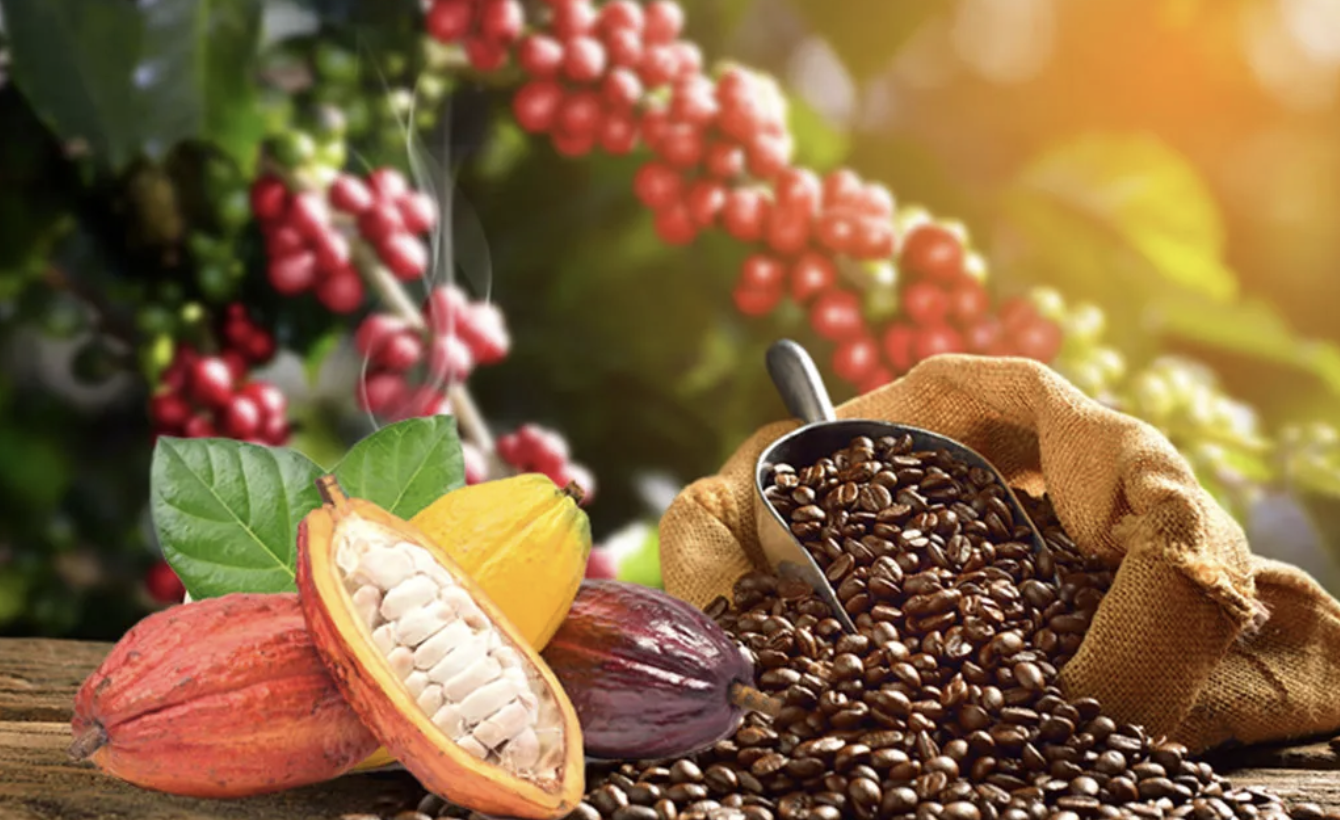
Premier producteur mondial de cacao, la Côte d’Ivoire veut désormais renforcer son poids par la recherche. La création de l’Institut du Café et du Cacao, décidée ce 23 septembre, vise à renforcer les capacités scientifiques du pays face aux maladies, au vieillissement des vergers, aux contraintes climatiques et aux exi...
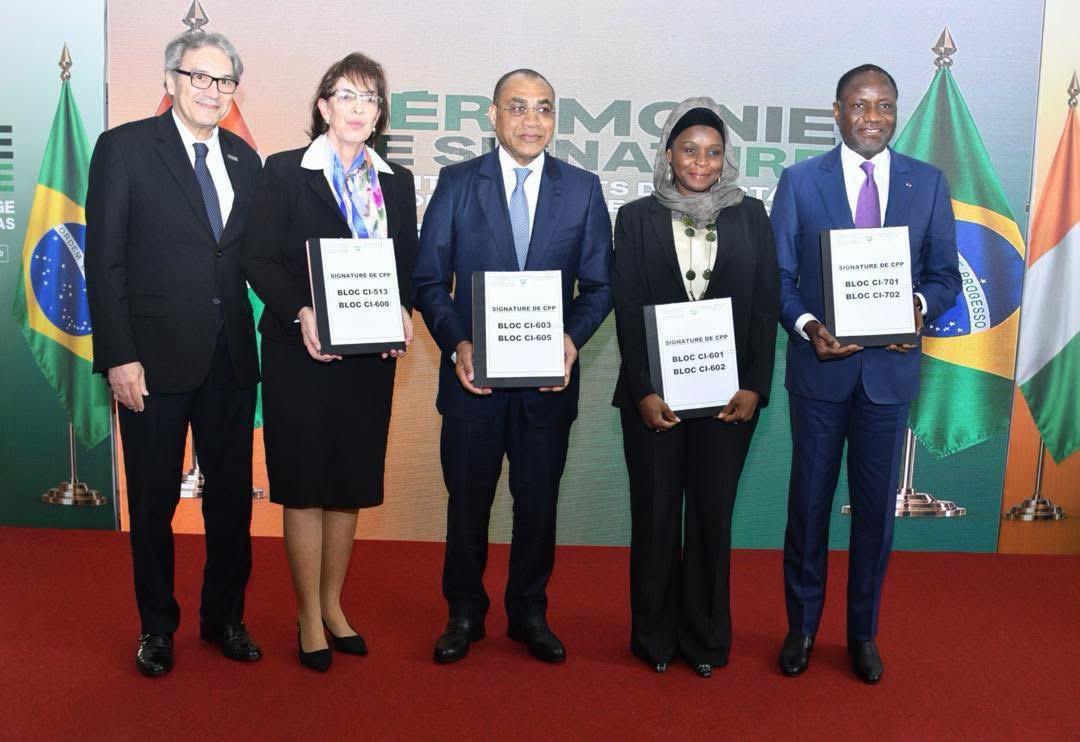
Ce jeudi 17 septembre 2026, l'État ivoirien, Petroci Holding et le brésilien Petrobras ont paraphé simultanément 8 Contrats de Partage de Production offshore. Une première dans l'histoire pétrolière du pays, qui ouvre 34 000 km² du bassin sédimentaire à l'un des leaders mondiaux de l'exploration en eaux profondes.
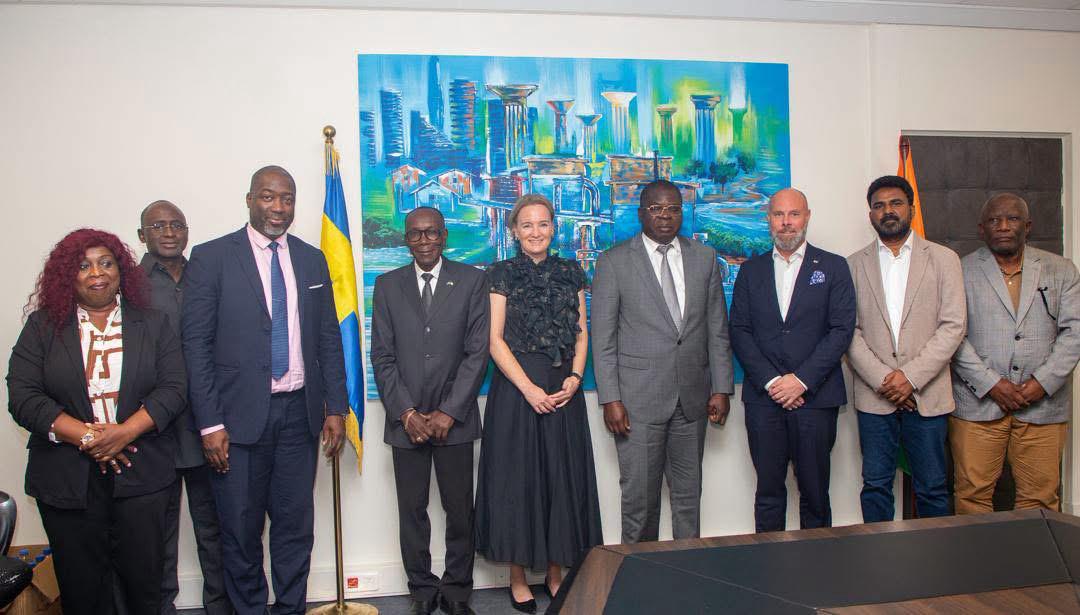
Le Ministre de l'Hydraulique, de l'Assainissement et de la Salubrité, Dr Amédé Koffi Kouakou, a reçu le 17 septembre 2026 en séance de travail Katrin Mansson, Ambassadrice de Suède près la République de Côte d'Ivoire, accompagnée de Raymond Sauhi, Consul de Suède en Côte d'Ivoire. Les discussions ont porté sur le renfo...
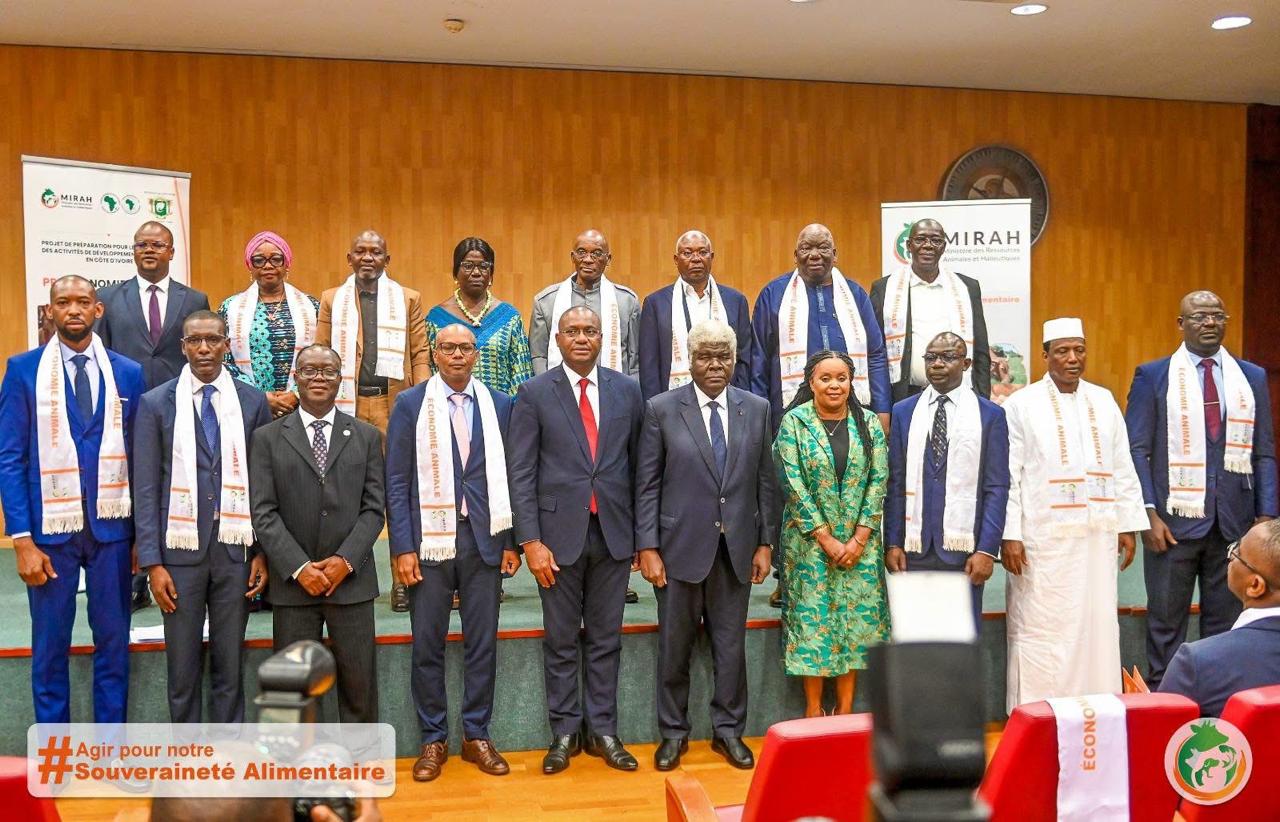
L’élevage ivoirien entre dans une nouvelle phase de structuration. Le gouvernement et ses partenaires veulent transformer les contraintes du secteur en opportunités d’investissement, avec un objectif annoncé de plus de 2 300 milliards de F CFA.
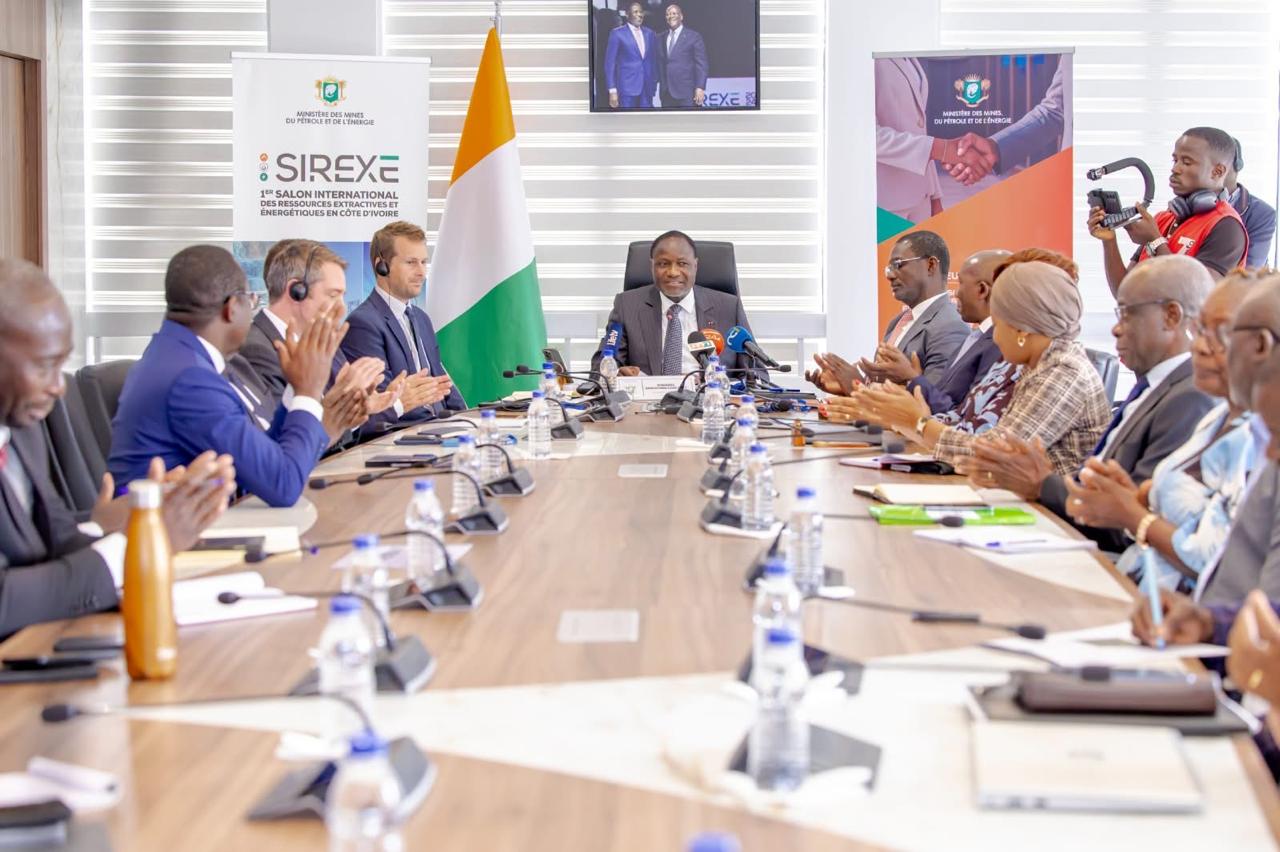
À la clôture de la réunion de coordination sur l'opérationnalisation de la Société ivoirienne des métaux précieux (SIMEP), le 16 septembre 2026 à Abidjan, le Ministre des Mines, du Pétrole et de l'Énergie, Mamadou Sangafowa-Coulibaly, a annoncé une unité de raffinage d'une capacité de 100 tonnes d'or, opérationnelle au...
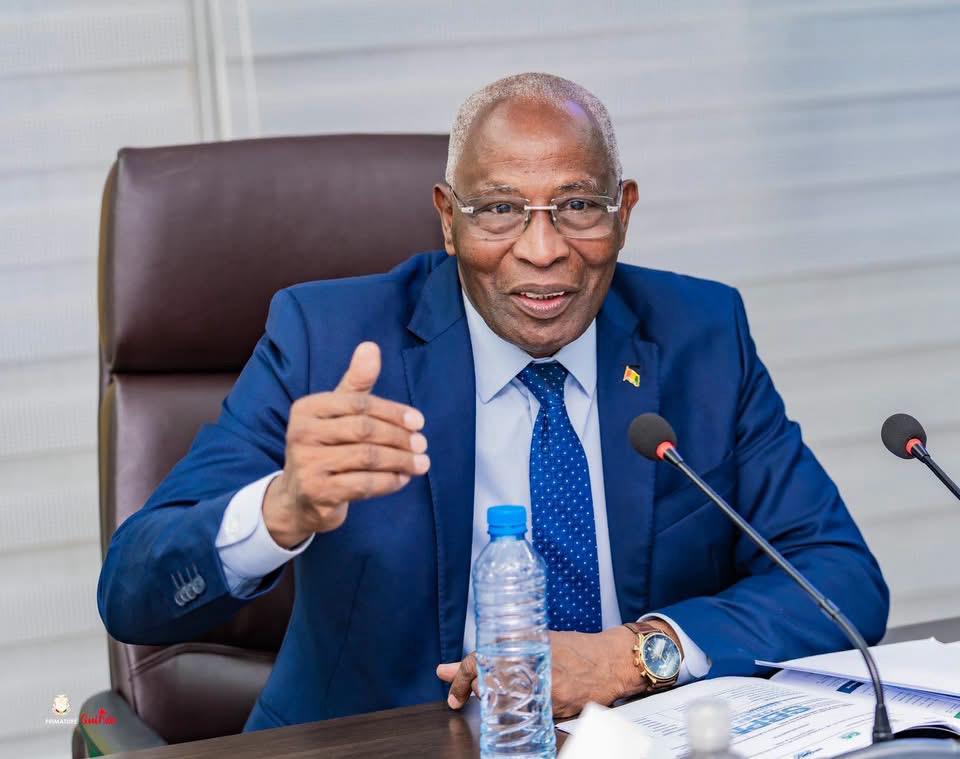
Novembre à Conakry ne sera pas un mois comme les autres pour l'entrepreneuriat guinéen. Banques, Fintech et petites entreprises s'y donneront rendez-vous pour une grande première nationale, le Salon des PME et Banques de l'Union économique et monétaire ouest-africaine (UEMOA), pendant que le gouvernement multiplie les...
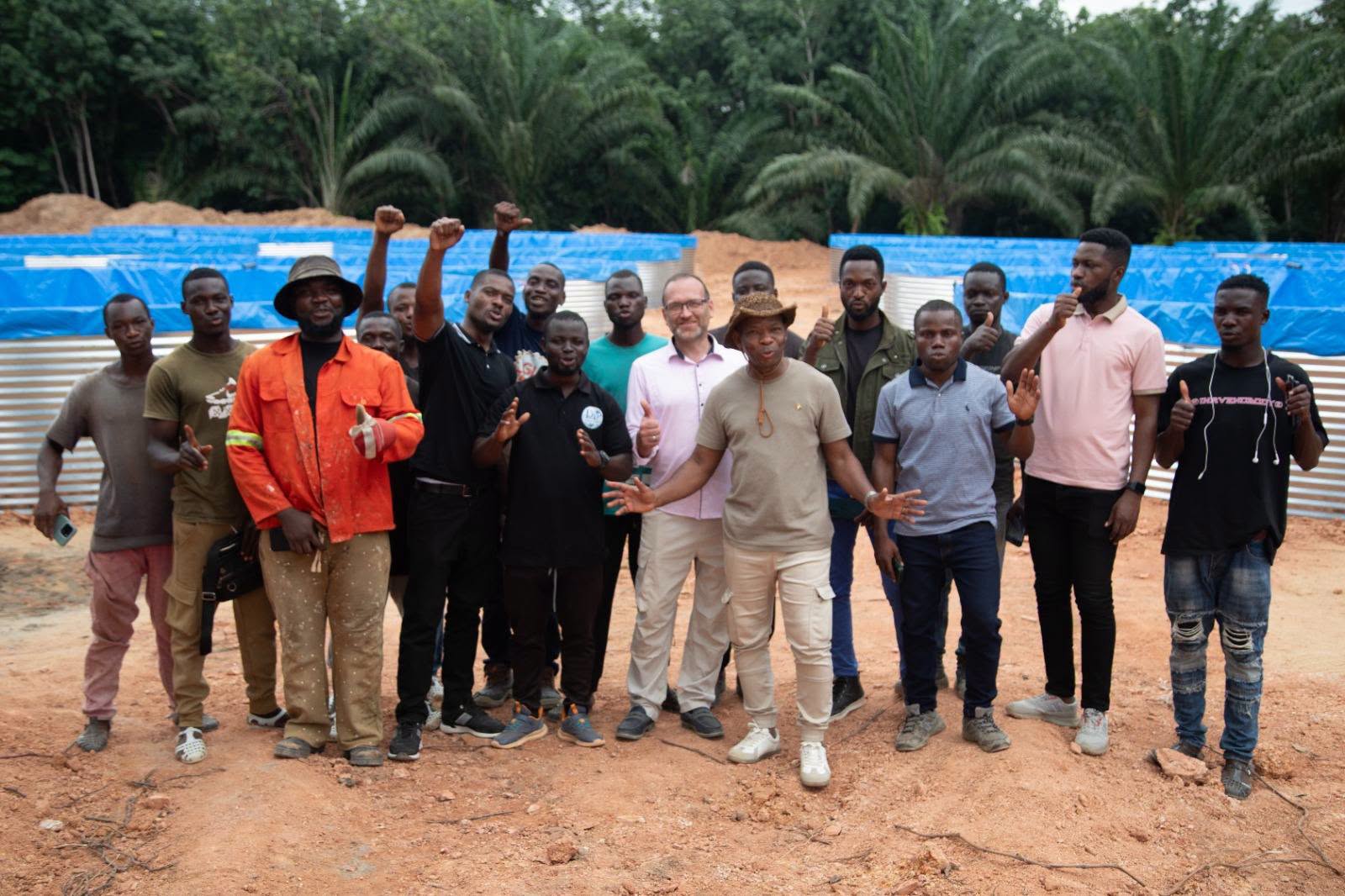
Former autrement aux métiers de l’agriculture. C’est l’objectif du projet de l'école régionale d’agriculture de Sassandra, dont les premiers aménagements sont déjà engagés sur les 45 hectares prévus pour accueillir 600 apprenants.
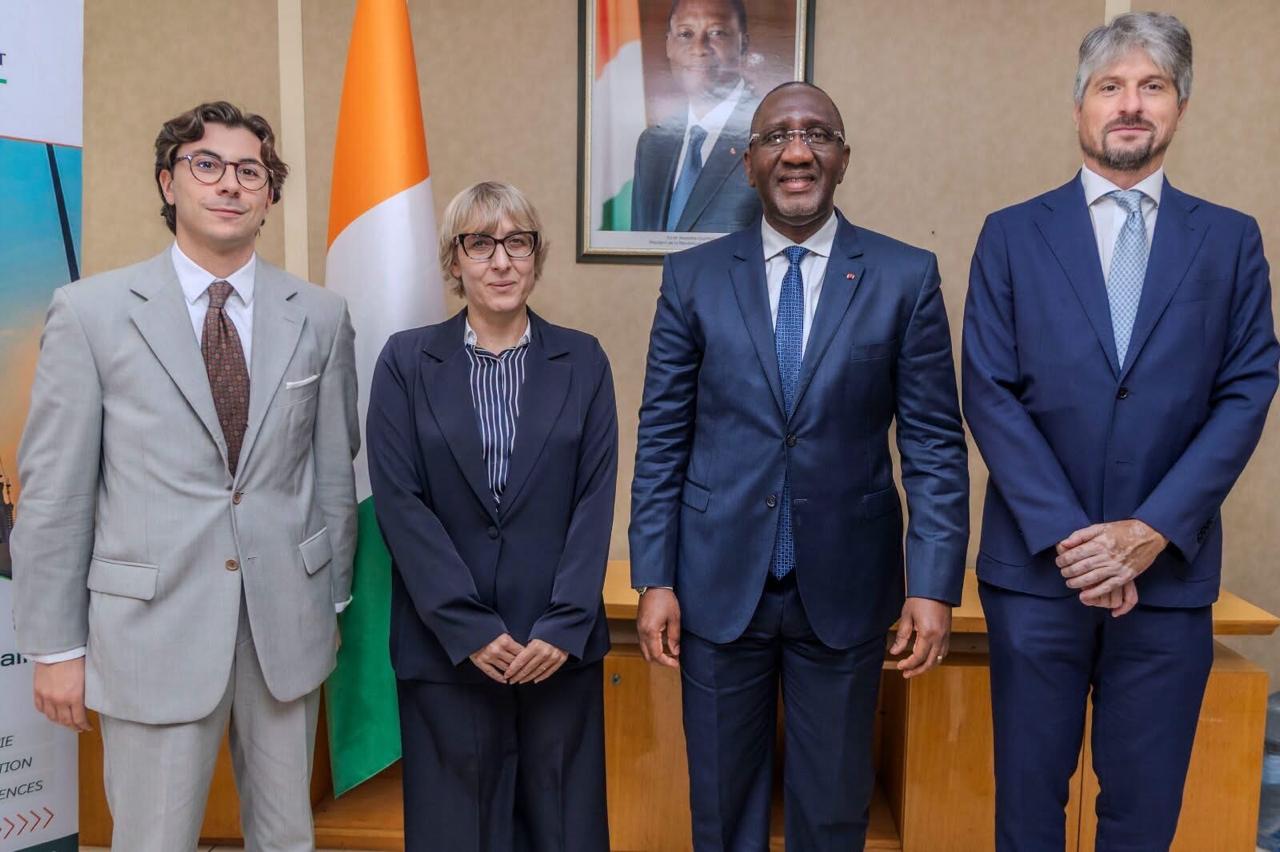
Le Ministre du Plan et du Développement, Dr Souleymane Diarrassouba, a reçu récemment l'Ambassadrice d'Italie, Roberta Di Lecce, et le Directeur de la Cassa Depositi e Prestiti, Riccardo Rossi Van Lamsweerde. L'institution financière italienne, bras armé du Plan Mattei sur le continent, vient d'ouvrir un bureau à Abidj...
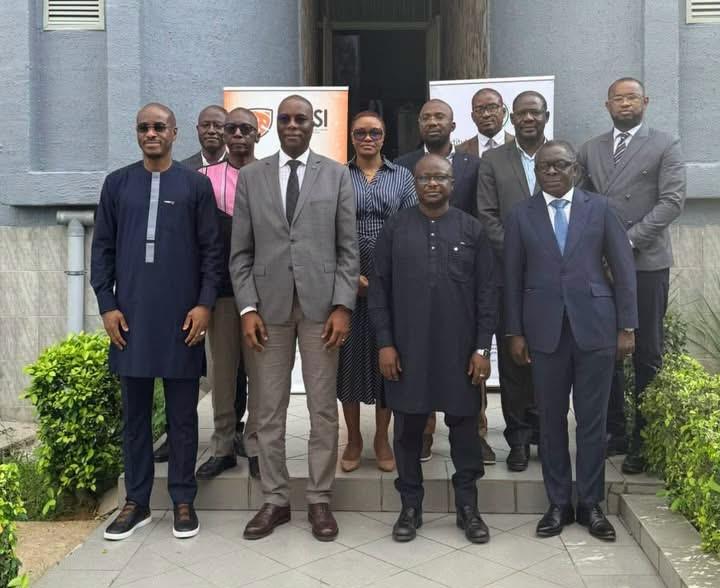
Après des mois de dialogue, l'Institut National Polytechnique Félix Houphouët-Boigny (INP-HB) et l'Agence Nationale de la Sécurité des Systèmes d'Information (ANSSI) viennent de transformer l'essai. Les deux structures ont signé, il y a quelques jours, une convention de partenariat destinée à muscler la formation, la r...
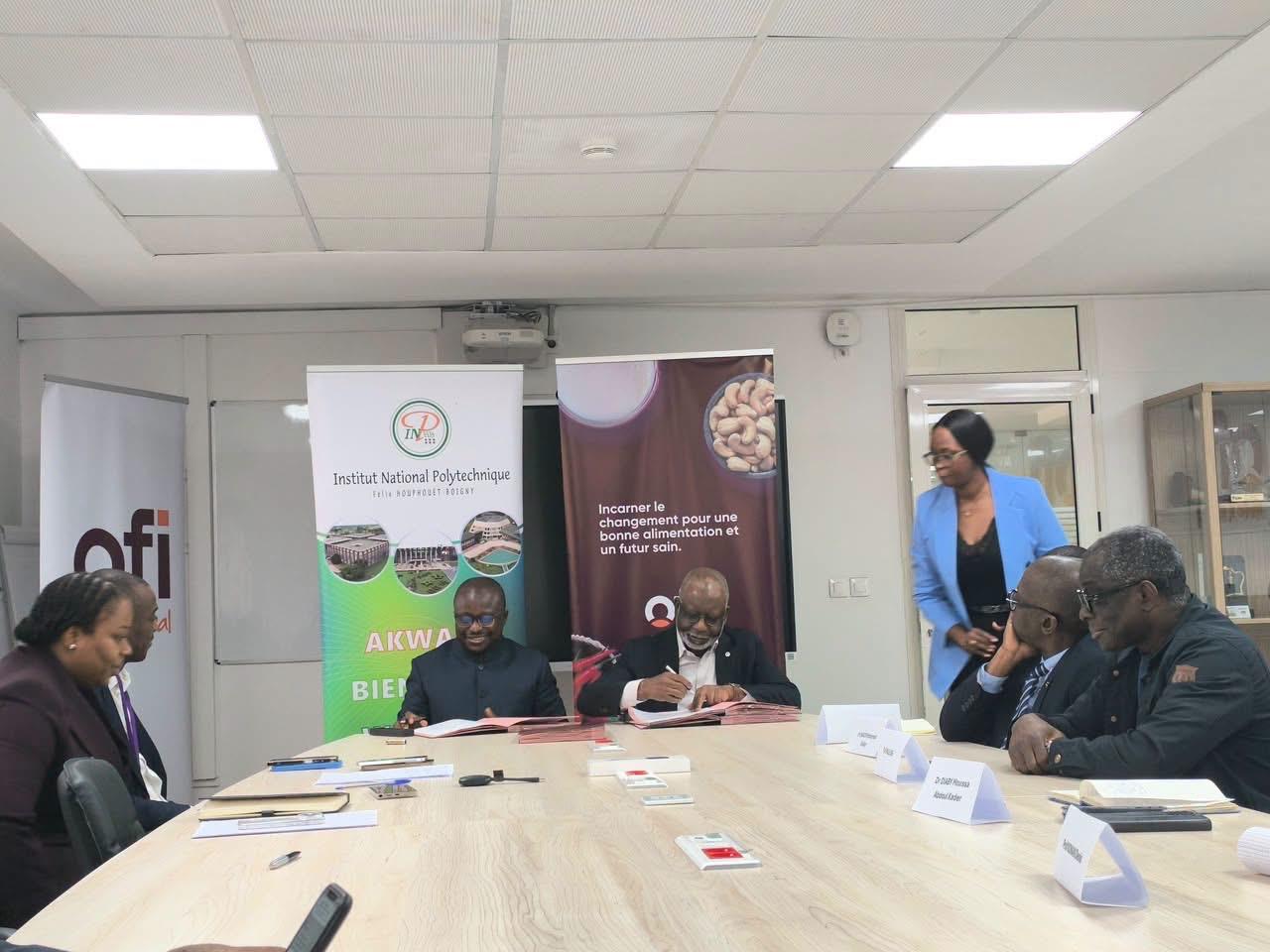
L’l'Institut National Polytechnique Félix Houphouët-Boigny (INP-HB) et l’Olam Food Ingredients (OFI) ont scellé récemment un partenariat. Cette convention-cadre ambitionne de resserrer les liens entre formation universitaire, recherche appliquée et réalités du terrain industriel, dans un secteur agro-alimentaire en ple...
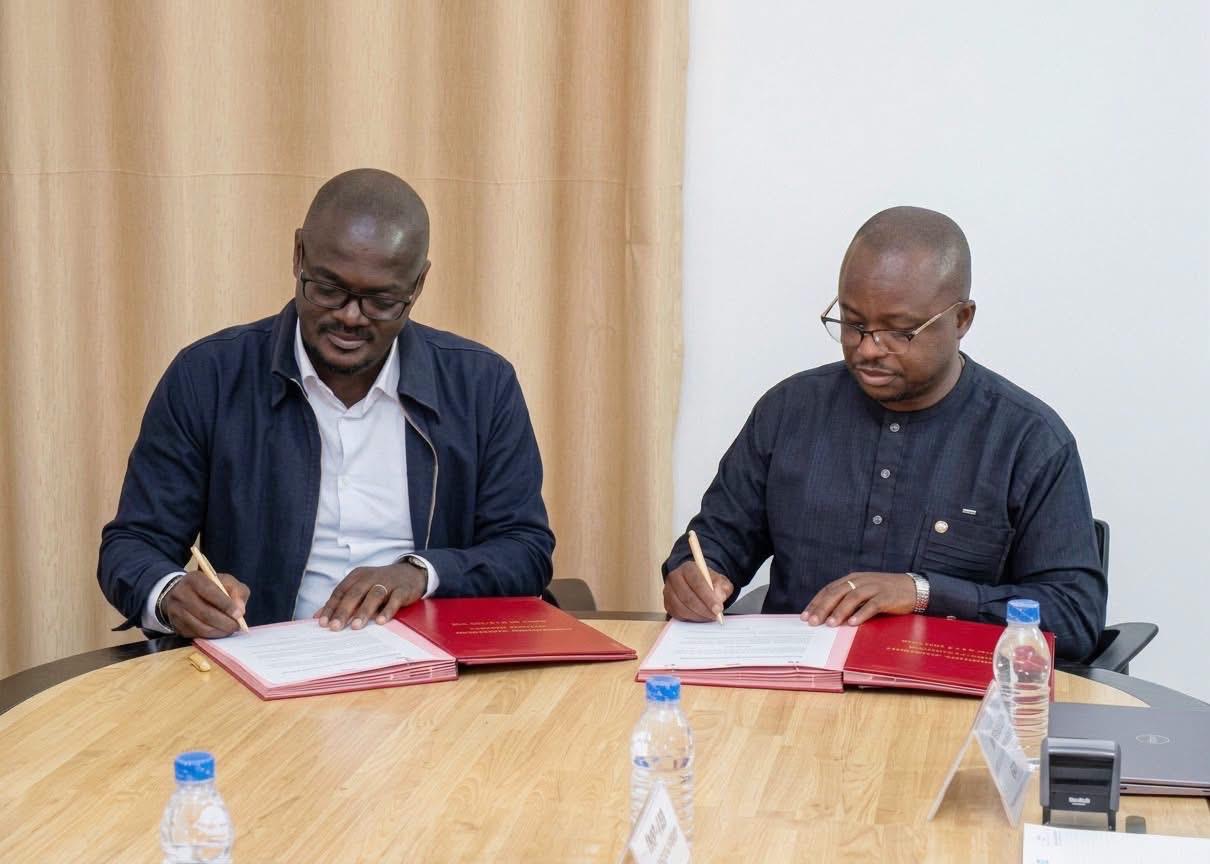
Dr Moussa Diaby, Directeur général de l'Institut National Polytechnique Félix Houphouët-Boigny (INP-HB), et Hermann K. Adoueni, Directeur général de la Société de Stockage Pétrolier de Côte d'Ivoire (SPCI), ont signé récemment une convention de partenariat de 3 ans. L'accord vise à rapprocher formation d'ingénieurs et...
 English
 Français