
138 result(s) for “Conférence internationale de la mobilité durable et du climat”
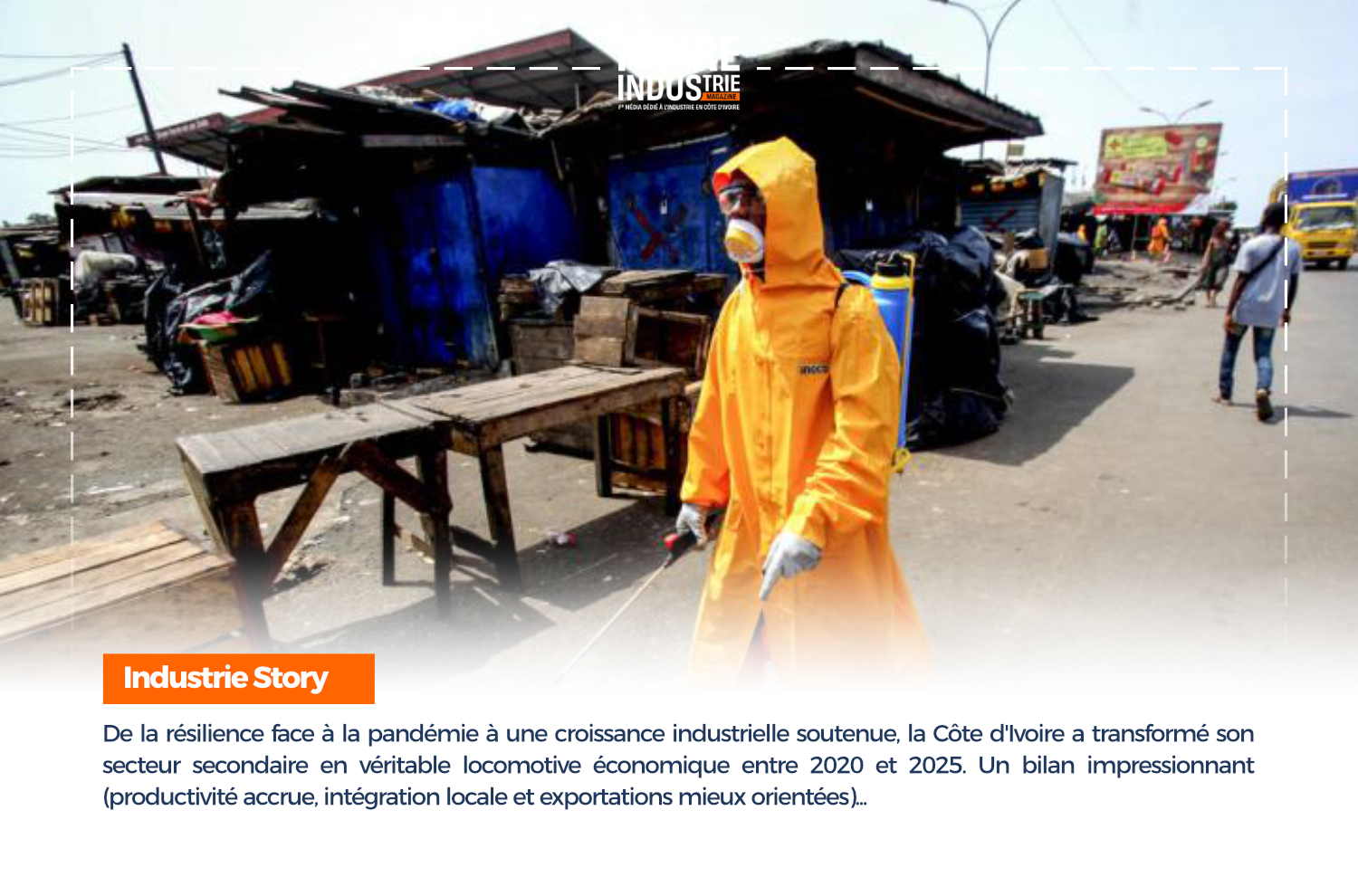
From resilience in the face of the pandemic to sustained industrial growth, Côte d'Ivoire has transformed its secondary sector into a real economic locomotive between 2020 and 2025. An impressive record (increased productivity, local integration and better oriented exports). However, structural challenges remain and ta...
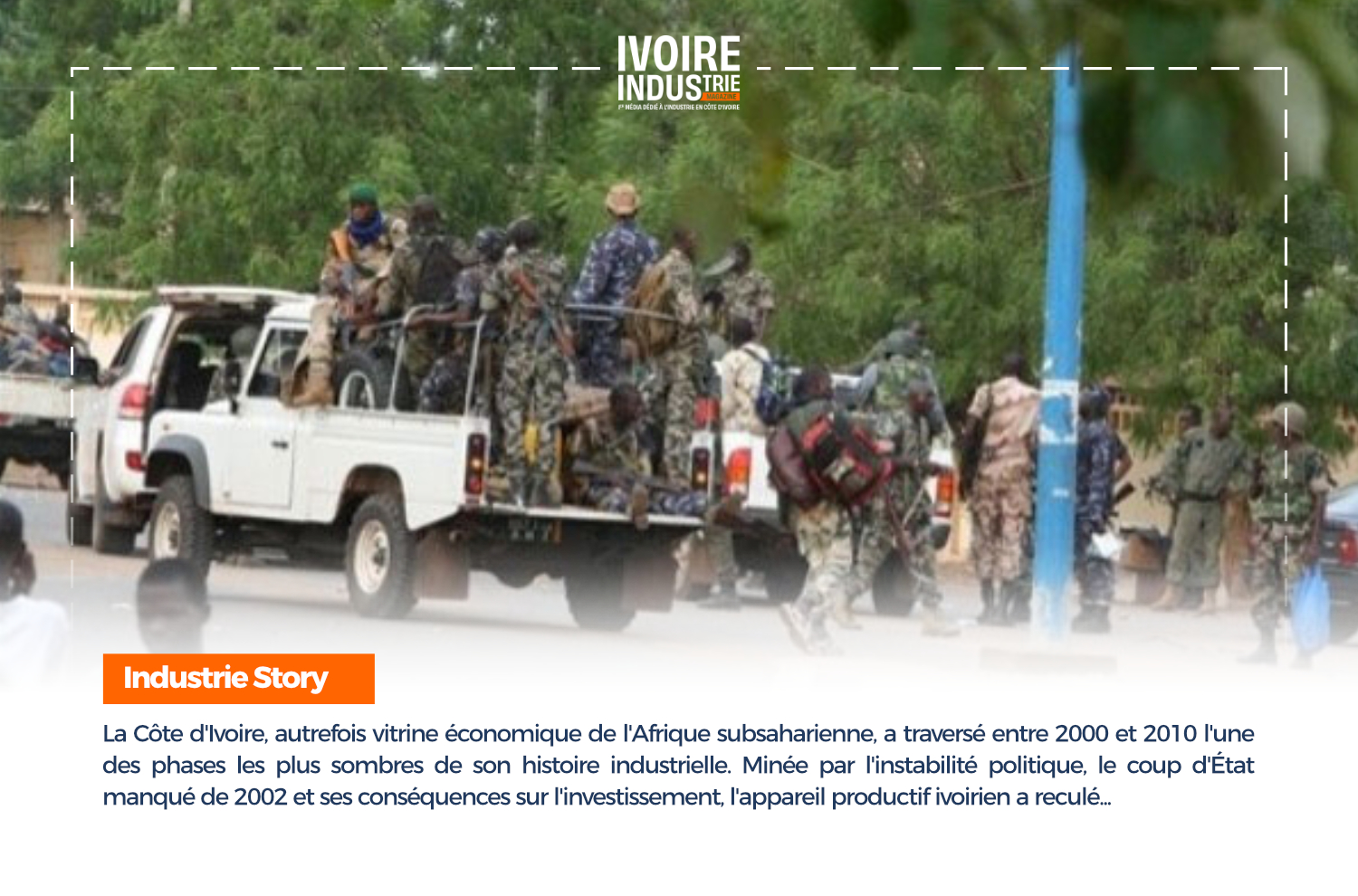
Ivory Coast, once the economic showcase of sub-Saharan Africa, went through one of the darkest phases of its industrial history between 2000 and 2010. Undermined by political instability, the failed coup d'état of 2002 and its consequences on investment, the Ivorian productive system has retreated, leaving behind close...
In the 1990s, the International Monetary Fund and the World Bank exercised unprecedented control over the Ivorian economy and politics. Between imposed remedies and deep social fractures, the results of this decade remain, even today, a subject of controversy.
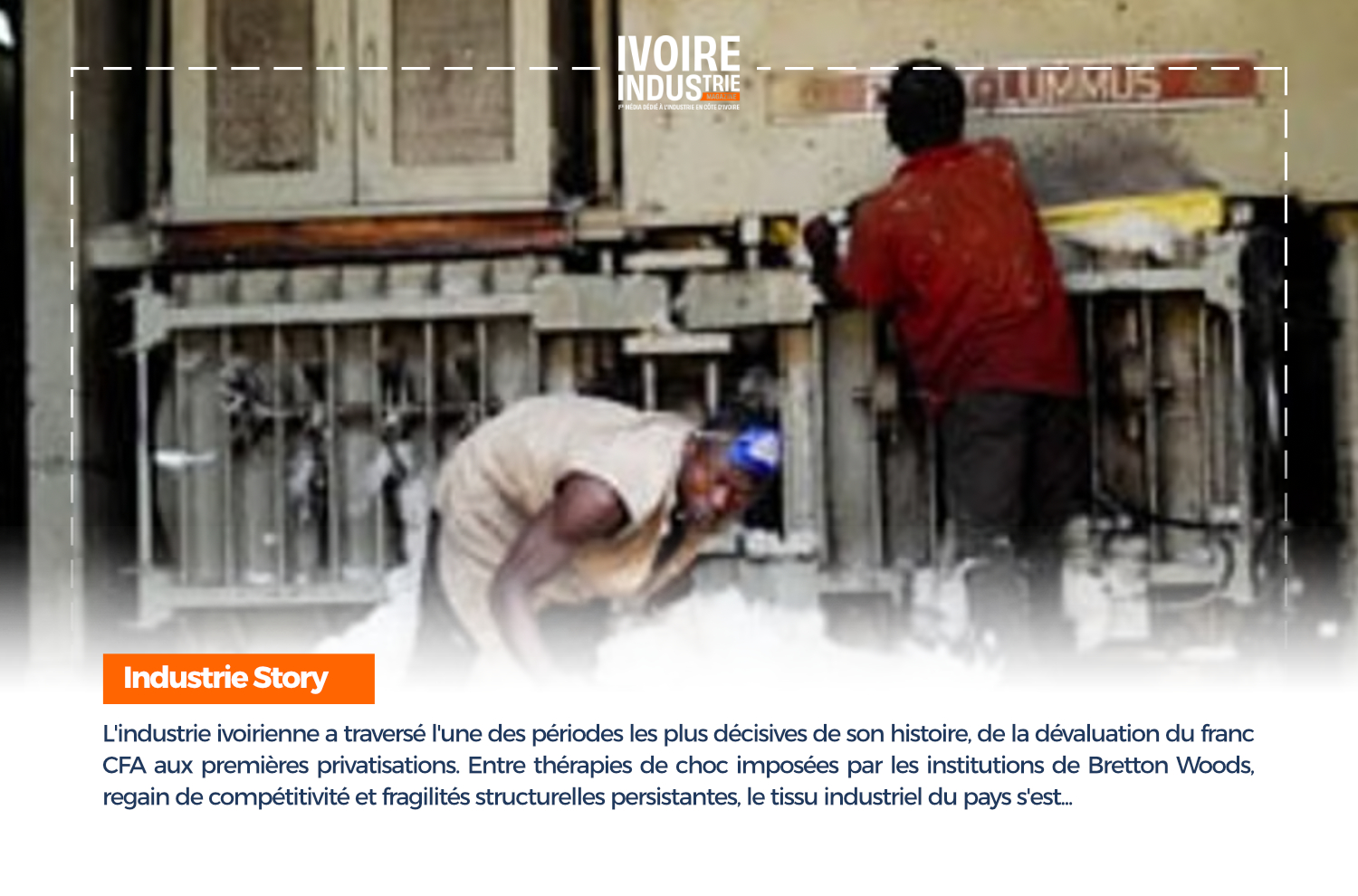
Ivorian industry has gone through one of the most decisive periods in its history, from the devaluation of the CFA franc to the first privatizations. Between shock therapies imposed by the Bretton Woods institutions, renewed competitiveness and persistent structural fragilities, the country's industrial fabric has been...
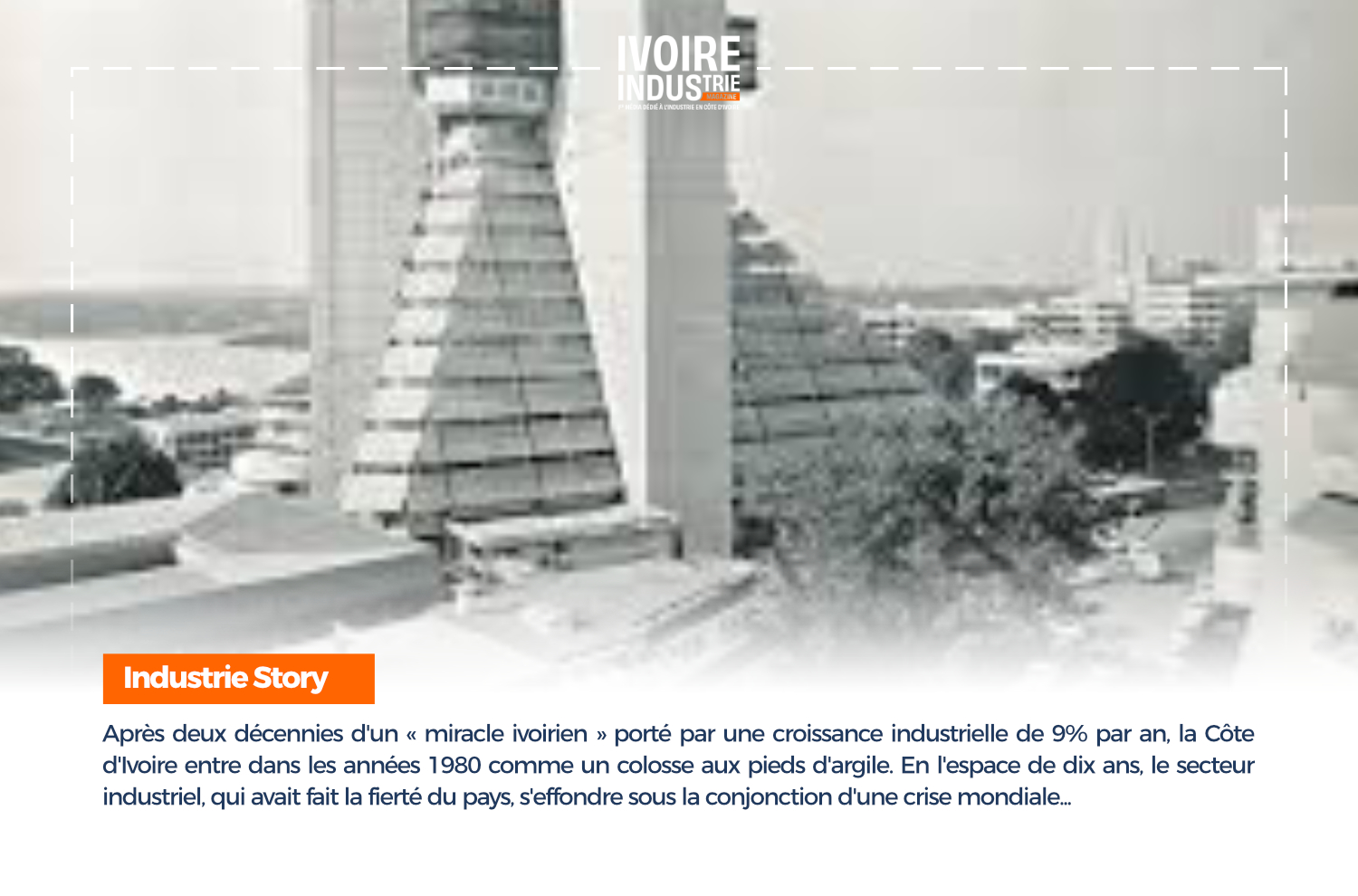
After two decades of an “Ivorian miracle” driven by industrial growth of 9% per year, Ivory Coast entered the 1980s like a colossus with feet of clay. In the space of ten years, the industrial sector, which had been the pride of the country, collapsed under the combination of a global crisis, an economic model on its l...
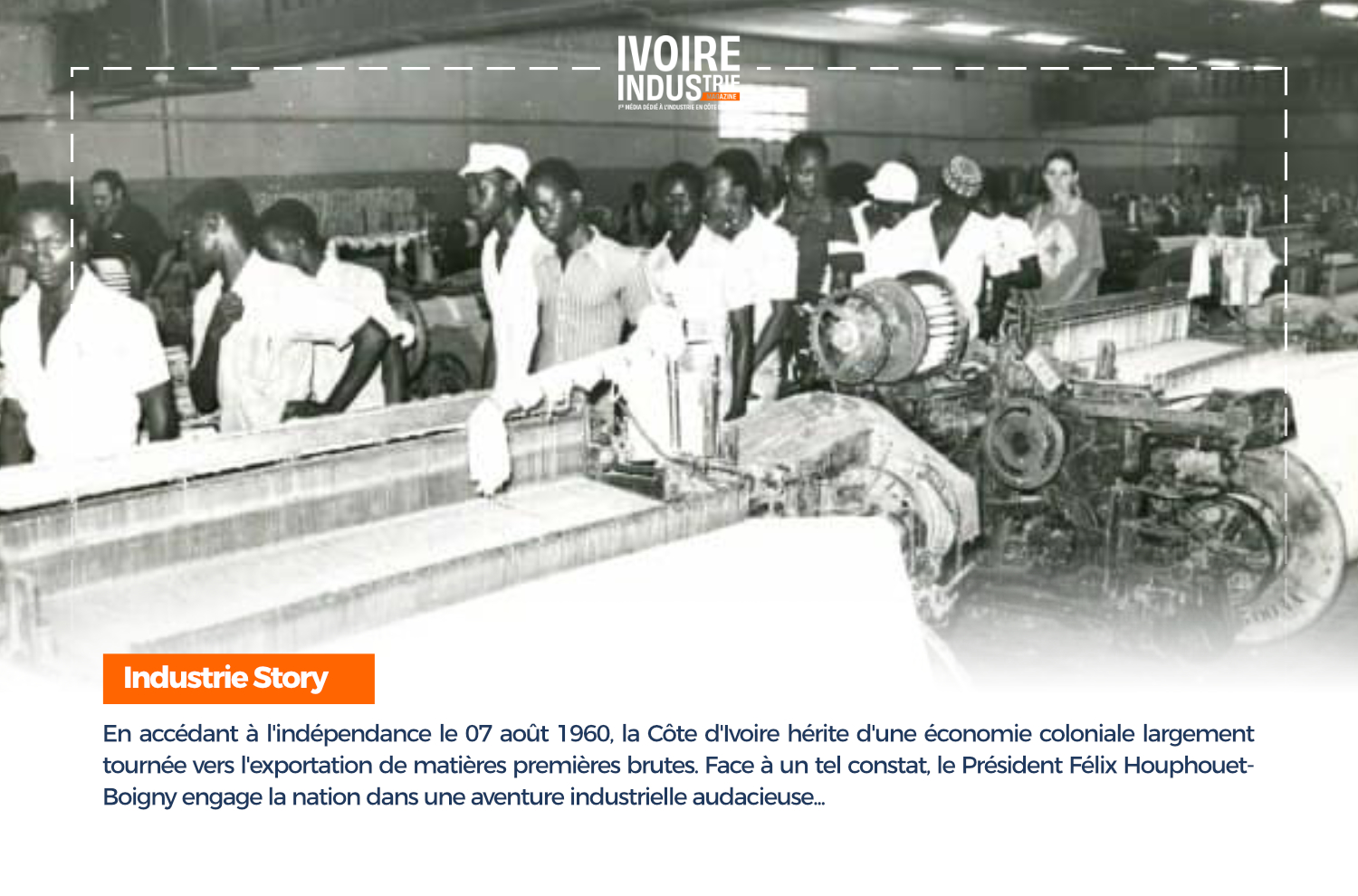
At independence on August 7, 1960, Côte d'Ivoire inherited a colonial economy largely focused on the export of raw materials. Faced with such an observation, President Félix Houphouët-Boigny commits the nation to a daring industrial adventure, based on an ambitious ten-year plan, a resolute openness to foreign capital...
 English
 Français